
Practical Camping Guide
What Is R-Value in a Sleeping Pad?
A sleeping pad's R-value measures resistance to heat flow: the higher the number, the more strongly the pad resists your body heat moving into the ground. It is not a temperature rating, comfort score, thickness measurement, or guarantee that a particular person will sleep warm. Use it to compare tested pads, then choose a margin for ground conditions, weather, sleep system, and personal cold sensitivity.
By Danny WalkerUpdated 12 min read
A sleeping pad's R-value measures resistance to heat flow: the higher the number, the more strongly the pad resists your body heat moving into the ground. It is not a temperature rating, comfort score, thickness measurement, or guarantee that a particular person will sleep warm. Use it to compare tested pads, then choose a margin for ground conditions, weather, sleep system, and personal cold sensitivity.
For modern camping pads, look for results based on ASTM F3340, the standard test method developed to make thermal-resistance values more comparable. If a product supplies only a vague season label, unexplained “warmth score,” or estimated R-value, it should not be treated as equivalent to a standardized result.
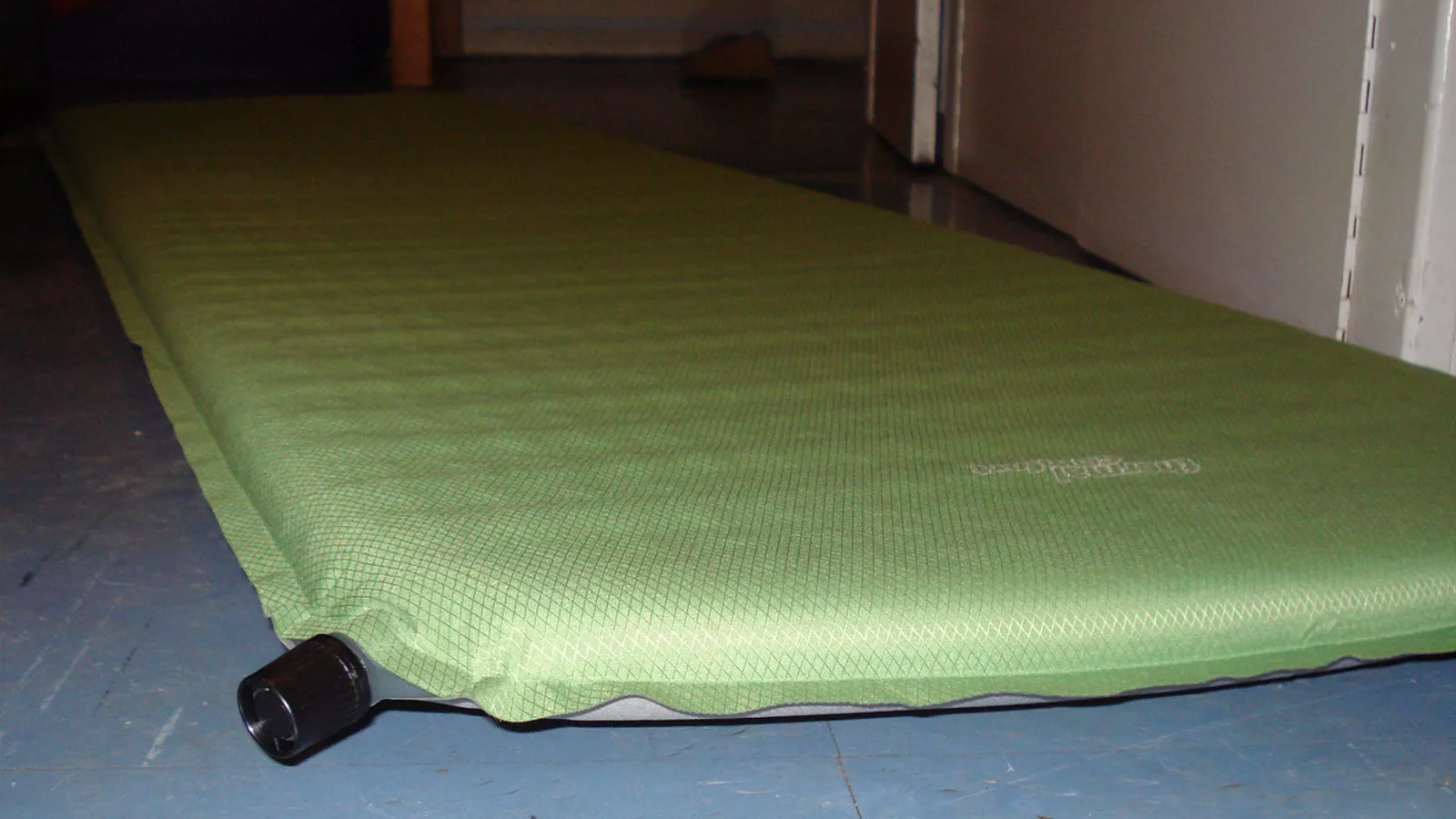
R-Value in One Table
| Question | Practical answer |
|---|---|
| What does R-value measure? | Resistance to heat flowing through the pad |
| Is higher warmer? | Higher means more resistance, all else equal |
| Is it a temperature rating? | No; there is no universal R-value-to-temperature conversion |
| Does thickness determine it? | No; internal insulation and construction matter |
| Can values be added? | Compatible stacked pads are generally treated as additive |
| Does a sleeping bag replace pad insulation? | No; bag insulation is compressed beneath the body |
| Does R-value measure cushioning? | No; comfort depends on thickness, baffles, firmness, width, and body |
| Must every product publish it? | No; verify whether the claim uses a recognized test |
Why the Ground Makes Campers Cold
Your body is warmer than the ground on most camping nights. Heat therefore moves through the layers between you and that ground. A sleeping bag lofts effectively above the body, but body weight compresses its underside and removes much of the still air that supplies insulation. The pad becomes the main thermal barrier below.
Heat also moves by air circulation and radiation. Pad makers use foam cells, fiber, reflective films, and baffle structures to reduce those paths. A thick hollow chamber can perform poorly if air circulates freely inside it. A thinner pad with engineered insulation can resist heat flow much more effectively.
This is why sleeping pad vs air mattress should be decided by specifications and conditions, not visual height.
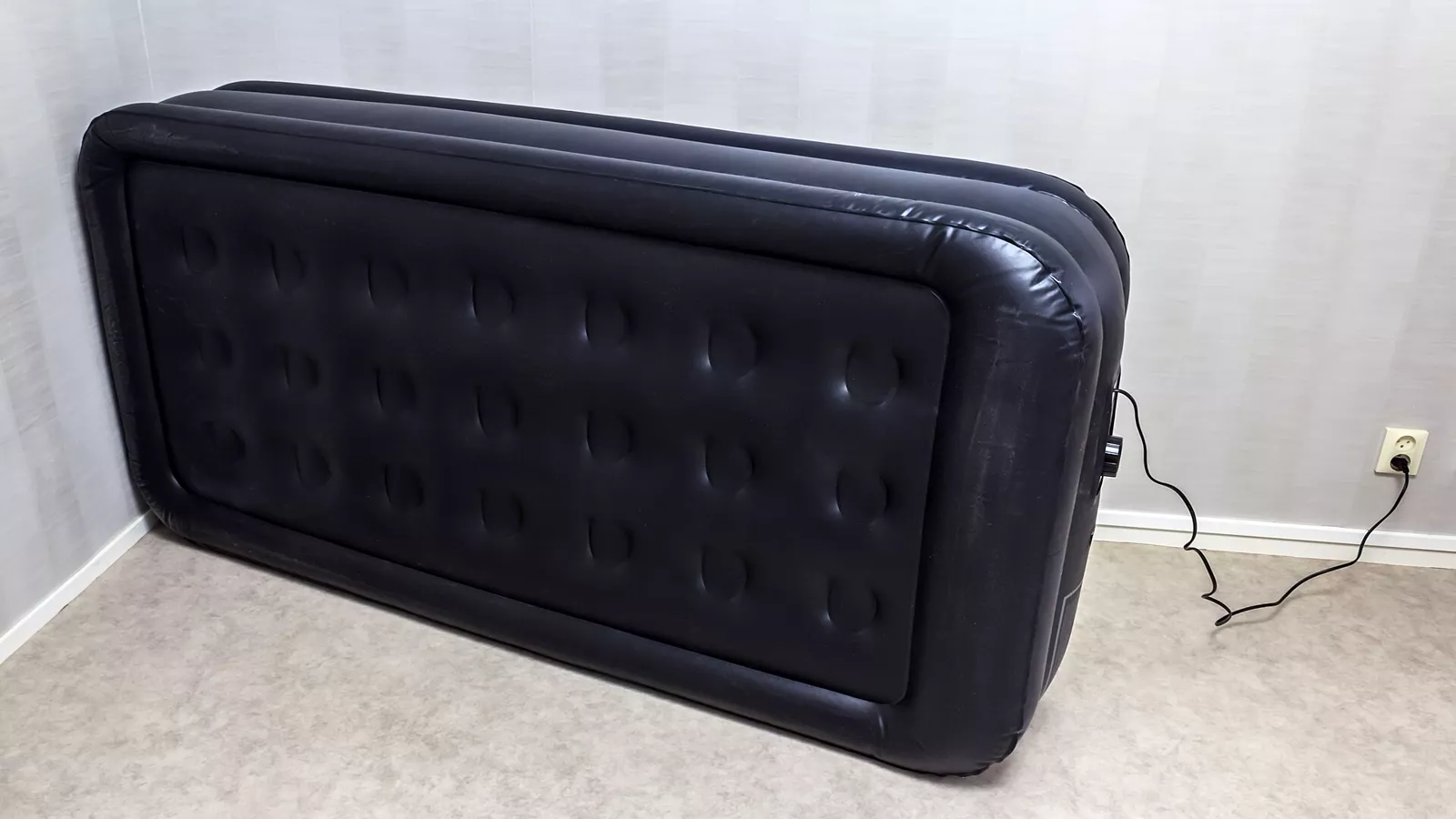
What ASTM F3340 Does
ASTM F3340 is a guarded-hot-plate test for camping mattresses. In simplified terms, the pad is placed between controlled plates, pressure is applied to represent loading, and equipment measures the energy needed to maintain a temperature difference. The calculation produces thermal resistance.
The value of standardization is repeatability. Brands using the same method can provide figures that are more meaningful to compare than independent marketing tests. The apparatus does not reproduce an entire campsite. It does not include your tent, sleeping bag, metabolism, posture, damp clothing, wind exposure, or the complete pattern of body contact.
Testing also cannot make differently shaped products identical. A short pad may list the same material R-value as a long one but leave the lower legs unsupported. A narrow pad may let arms touch the ground. A deflated or damaged pad may not retain its tested geometry. Use the number as a component specification, then evaluate coverage and condition.
What R-Value Does Not Tell You
R-value does not measure pressure relief. A high-R foam mat can be too thin for a side sleeper's hip, while a lower-R air pad can feel plush but cold. Thickness, usable loft under load, baffle stability, width, surface texture, and inflation pressure determine physical comfort.
It also does not measure durability. Reflective internal films can produce high performance at low weight, but shell fabric, seams, valve design, and field repair determine resilience. Closed-cell foam cannot deflate, though it can compress or tear.
It does not provide an exact minimum air temperature. Ground temperature can lag behind daytime air, snow differs from bare rock, wind strips heat from exposed edges, and people generate and perceive heat differently. A chart that says one R-value always equals one temperature hides those variables.
Finally, it does not describe top insulation. A warm pad cannot compensate for a summer quilt in severe cold. Build a balanced system using sleeping bag vs quilt and test every layer together.
Why Thickness Is a Poor Shortcut
Closed-cell foam contains many tiny trapped gas pockets that restrict circulation. Self-inflating pads combine foam structure with adjustable air. Insulated air pads may suspend fiber or reflective layers between baffles. Each can create meaningful resistance without household-bed height.
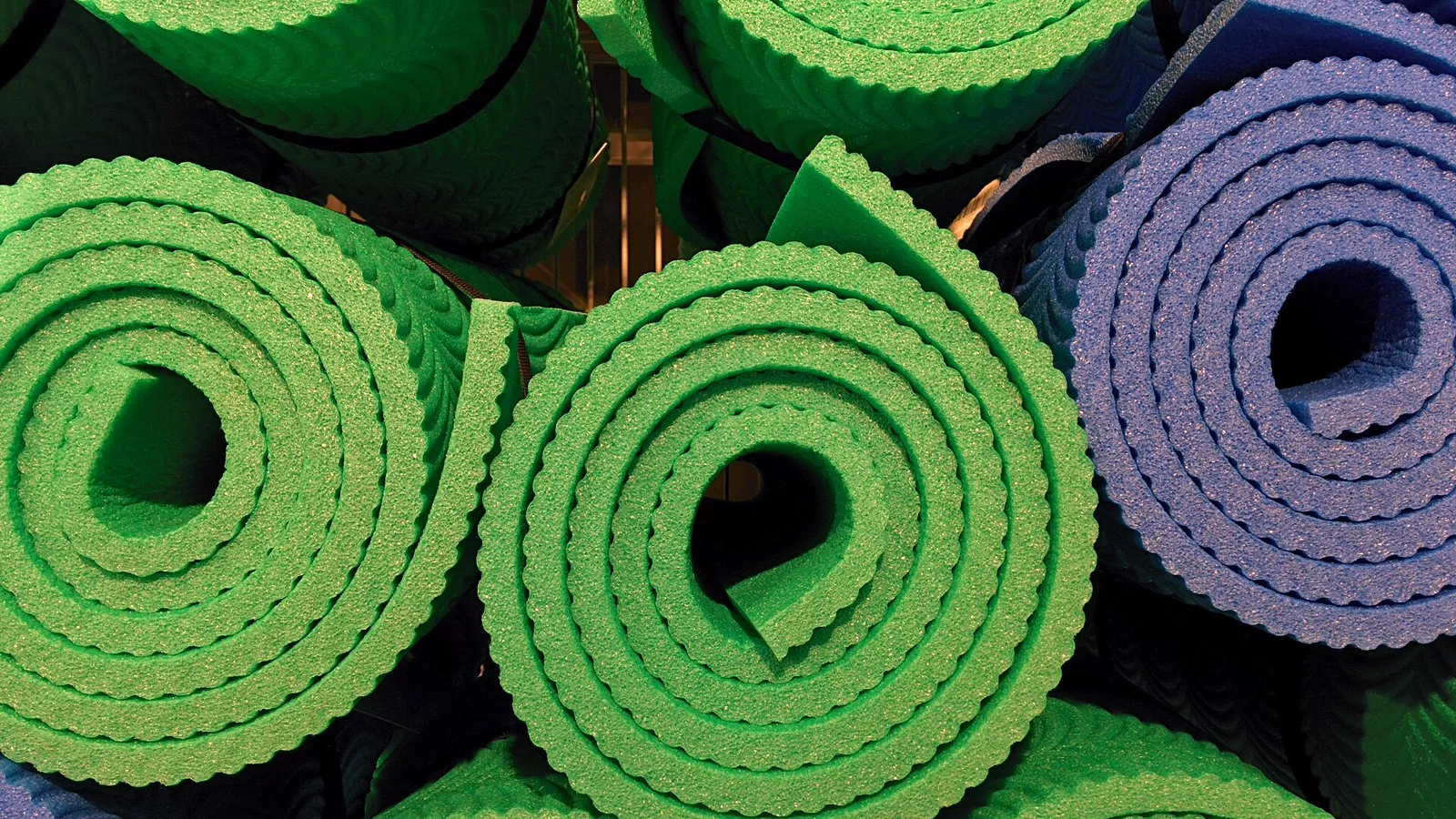
A large guest-style air bed often contains one connected air volume. Warm air near the sleeper and cool air near the ground circulate within it, moving energy. Its plush depth supports the body but does not automatically insulate it. Never infer R-value from inches of thickness or the word “air.”
The reverse also matters: a thin foam pad may have useful modest insulation but insufficient cushioning. Stacking it with an air pad can solve separate reliability and warmth goals.
How Stacking Pads Works
R-values of compatible pads are generally treated as additive for trip planning. A foam pad with R 2 under an inflatable pad with R 3 produces a combined theoretical resistance around R 5. This rule is more useful than adding thicknesses.
Real setup still matters. The pads must cover the same body area and remain aligned. Gaps, narrow shoulders, or legs extending beyond a short pad create heat-loss paths. Valves must remain accessible, and textured surfaces or compatible couplers may be needed to reduce sliding.
Place closed-cell foam beneath an inflatable for puncture protection unless manufacturer guidance or a specific comfort need indicates otherwise. Placing foam on top can keep insulation closer to the body and change firmness. Test both arrangements; do not create friction against delicate valves or seams.
Choosing a Value Without a False Formula
Start with the pad manufacturer's season guidance, provided it references a tested R-value. Research likely air and ground conditions at the actual campsite elevation. Consider whether the site is snow-covered, frozen, damp, rocky, exposed, or in a valley that collects cold air.
Then apply a personal margin. Use more insulation if you routinely sleep cold, are testing new gear, expect fatigue, or cannot easily retreat. Children, older campers, and people with medical conditions require individualized planning rather than a generic conversion table.
For mild summer ground, a modest value may work. Cool three-season conditions call for more resistance. Frozen ground and snow require a genuinely cold-weather system, often a well-insulated air pad paired with foam. Exact thresholds differ across manufacturers and users, so avoid treating category ranges as promises.
R-Value and the Rest of the Sleep System
The pad is one layer. Top insulation must match the overnight low, sleep clothing must remain dry, and shelter should limit wind while releasing moisture. Food intake, hydration, fatigue, and bedtime temperature also affect warmth.

A pad too narrow for your posture can undermine its number. Side sleepers should measure bent-knee width; broad back sleepers should check whether elbows fall off. Tall campers need heel coverage. How to sleep comfortably while camping explains this interaction between insulation and pressure relief.
Tent ventilation remains necessary. Closing all vents may feel warmer briefly but allows exhaled moisture to condense and dampen gear. Use how to stop condensation in a tent to manage airflow without confusing humidity with inadequate pad insulation.
R-Value on a Cot or Hammock
A cot lifts you away from conductive ground contact, but cold air circulates beneath the sleeper. Cot fabric and compressed sleeping-bag insulation provide little resistance. Put an insulated pad on the cot in cool weather, secure it safely, and count its R-value as the purposeful layer. Camping cot vs sleeping pad compares the full tradeoff.
In a hammock, the same compression problem exists and wind can increase heat loss underneath. A pad may work if it stays positioned, while an underquilt supplies loft outside the hammock. Underquilt warmth descriptions are not pad R-values; follow hammock-system guidance and test conservatively.
Scenario: Warm Summer Campground
A lightweight pad with modest insulation may be adequate when nighttime and ground conditions are reliably warm. Prioritize dimensions and pressure relief after meeting the thermal need. Test the pad for a full night, because underinflation, narrow width, and unstable baffles can disturb sleep even without cold.
If a cold front is plausible, carry a foam layer or select more margin. A higher R-value does not cause overheating in the same direct way that excessive top insulation does; vent the sleeping bag or quilt to regulate top warmth.
Scenario: Cool Spring or Fall
Choose a tested three-season pad with room above the expected conditions. Cold sleepers should be conservative. Bring dry base layers and top insulation matched to the overnight low. Avoid large uninsulated air beds unless an insulated pad sits directly beneath each sleeper.
Site selection can change perceived performance. A depression gathers cold air and water; exposed ridges add wind. Review how to choose a campsite before blaming the pad alone.
Scenario: Snow and Frozen Ground
Use a true winter system with a substantial tested value and redundancy. Stacking insulated air and closed-cell foam adds resistance and preserves a minimum surface if the inflatable fails. Ensure every body part remains on the layers.
Practice repairs with gloves and protect the inflatable during setup. Snow camping adds hazards and skills beyond pad choice; seek location-specific instruction and conservative weather judgment rather than relying on one number.
Scenario: Two People Sharing a Pad
A double pad eliminates the cold gap between singles but forces shared firmness and transfers motion. Confirm its R-value applies to the complete product and that both sleepers fit without pressing against tent walls. Two pads allow individual insulation values and independent failure, although the seam needs management.
Measure the full setup using how big of a tent do I need. Tent capacity labels do not guarantee comfortable pad width or wall clearance.
Common Mistakes
Treating R-value as a temperature rating
It measures thermal resistance under a test, not personal comfort at an air temperature.
Assuming thickness means warmth
Internal construction matters. A tall empty chamber can circulate air and feel cold.
Comparing tested and estimated values as equals
Look for ASTM F3340 or clearly documented equivalent methodology. An unexplained score is not directly comparable.
Ignoring pad coverage
An arm, hip, or lower leg on cold ground bypasses the rated insulation. Choose length and width for actual posture.
Overlooking inflation and damage
A partially collapsed air pad changes thickness and internal geometry. Test valves and overnight retention before departure.
Solving every cold problem with a higher number
Drafts, damp top insulation, insufficient food, exposed campsites, and poor clothing can also cause cold. Diagnose the whole system.
Buying and Pre-Trip Checklist
- Verify the R-value and the method used to obtain it.
- Distinguish manufacturer guidance from a universal temperature promise.
- Choose length and width for normal sleep posture.
- Test hip and shoulder clearance at comfortable pressure.
- Check valve, seams, shell, and overnight air retention.
- Add compatible pad values when intentionally stacking.
- Carry repair materials matched to the exact fabric and valve.
- Keep insulation dry and protected from sharp equipment.
- Bring a foam backup when failure consequences are high.
- Test the complete shelter, pad, bedding, and clothing system overnight.
Frequently Asked Questions
What does the R in R-value mean?
It refers to thermal resistance: how strongly a layer resists heat flow. A larger value represents more resistance under the test conditions.
Is R 4 twice as warm as R 2?
It provides twice the measured thermal resistance, but human warmth is not perceived as a simple two-times scale. The rest of the system and environment remain decisive.
What R-value is good for winter?
There is no universal winter cutoff. Follow tested manufacturer guidance for expected ground conditions, use a conservative personal margin, and consider stacked pads plus failure backup.
Can a pad have too much R-value?
Extra bottom insulation generally does not cause overheating as readily as excessive top insulation, but it adds cost, weight, and bulk. Choose enough margin without carrying unnecessary equipment.
Do sleeping bag ratings assume a pad?
Standardized bag tests use a defined test setup, including insulation beneath the mannequin. In real camping, an inadequate pad can prevent a rated bag from performing as expected.
Do R-values add when pads are stacked?
They are generally treated as additive when pads fully overlap and remain functional. Misalignment, gaps, or partial body coverage reduce the practical benefit.
Does a cot replace pad R-value?
No. Moving air beneath the cot can cool the sleeper. Use an insulated pad on top when conditions require it.
Final Takeaway
R-value is a comparable measure of resistance to heat flow, not a forecast of your night's comfort. Prefer standardized results, size the pad for complete coverage, and choose a margin based on real ground conditions and personal experience. Stack compatible pads when needed, carry a backup when failure matters, and test the whole sleep system before relying on it in cold or remote terrain.
Sources and Further Reading
- ASTM International, ASTM F3340: Standard Test Method for Thermal Resistance of Camping Mattresses Using a Guarded Hot Plate Apparatus.
- ISO, ISO 23537-1: Requirements for sleeping bags — Thermal, mass and dimensional requirements.
- U.S. National Park Service, camping preparation and equipment guidance.
- Leave No Trace Center for Outdoor Ethics, Plan Ahead and Prepare and durable-surface guidance.