
Practical Camping Guide
Camping Cot vs Sleeping Pad: Which Should You Choose?
Choose a camping cot for vehicle-accessible trips when easier entry, firm elevation, and under-bed storage justify extra weight and tent space. Choose a sleeping pad when thermal performance, small packed size, flexible tent fit, or any meaningful carry distance matters. In cool weather, a cot normally still needs an insulated pad on top: elevation does not create warmth, and cold air moving beneath the fabric can remove heat quickly.
By Danny WalkerUpdated 12 min read
Choose a camping cot for vehicle-accessible trips when easier entry, firm elevation, and under-bed storage justify extra weight and tent space. Choose a sleeping pad when thermal performance, small packed size, flexible tent fit, or any meaningful carry distance matters. In cool weather, a cot normally still needs an insulated pad on top: elevation does not create warmth, and cold air moving beneath the fabric can remove heat quickly.
The decision is not simply “comfort versus portability.” Modern thick pads can offer excellent pressure relief, while some narrow cots create hard pressure along their rails. The right surface fits your body and shelter, supplies enough insulation, survives the trip's failure consequences, and lets you enter and exit safely.
Quick Decision Table
| Need or condition | Better starting choice | Why |
|---|---|---|
| Backpacking or walk-in site | Sleeping pad | Far lighter and smaller |
| Easy sitting and standing | Cot | Stable raised edge can simplify transfers |
| Cold ground or winter use | Insulated sleeping pad | Tested R-value supports thermal planning |
| Tall cabin-style tent | Cot | Wall clearance and storage space favor elevation |
| Low backpacking tent | Sleeping pad | Low profile stays away from sloping, damp walls |
| Slightly uneven ground | Cot | Frame may bridge minor irregularities |
| Most failure-tolerant setup | Closed-cell foam pad | Cannot deflate or suffer frame collapse |
| Car camping with maximum comfort | Cot plus insulated pad | Combines height, pressure relief, and insulation |
What a Cot Actually Changes
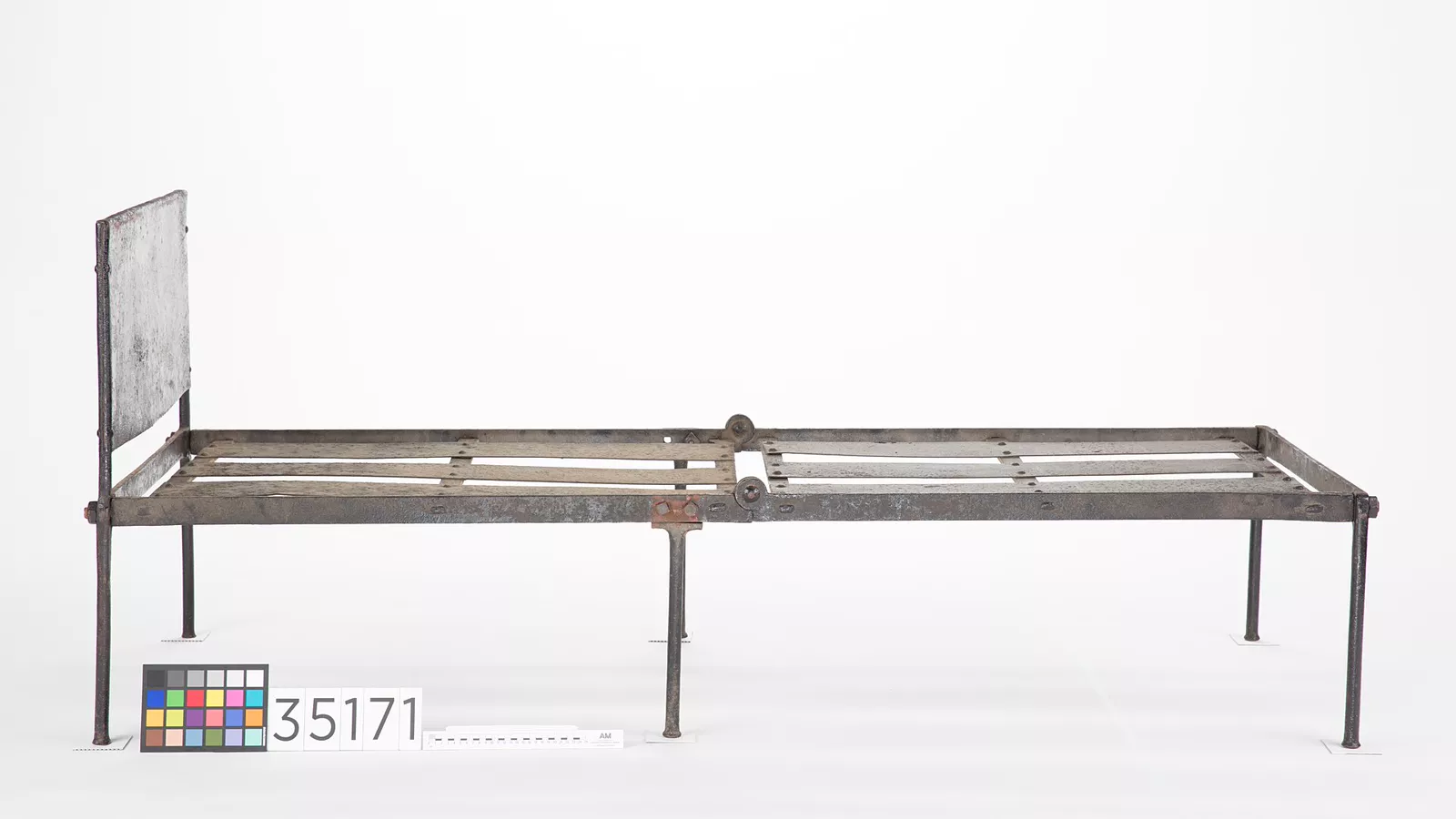
A cot suspends tensioned fabric across a metal or composite frame. It raises the sleeper above small roots and shallow surface irregularities, creates space beneath the bed, and provides a defined edge for sitting. Weight transfers through rails and legs into a few concentrated points on the tent floor.
This structure feels firm rather than deeply cushioned. Fabric can sag enough for the hips to settle while side rails limit usable width. Compare the sleeping deck—not only the outside frame dimension—with shoulder width and normal arm position. Campers who bend a knee or spread elbows need more room than a back sleeper lying straight.
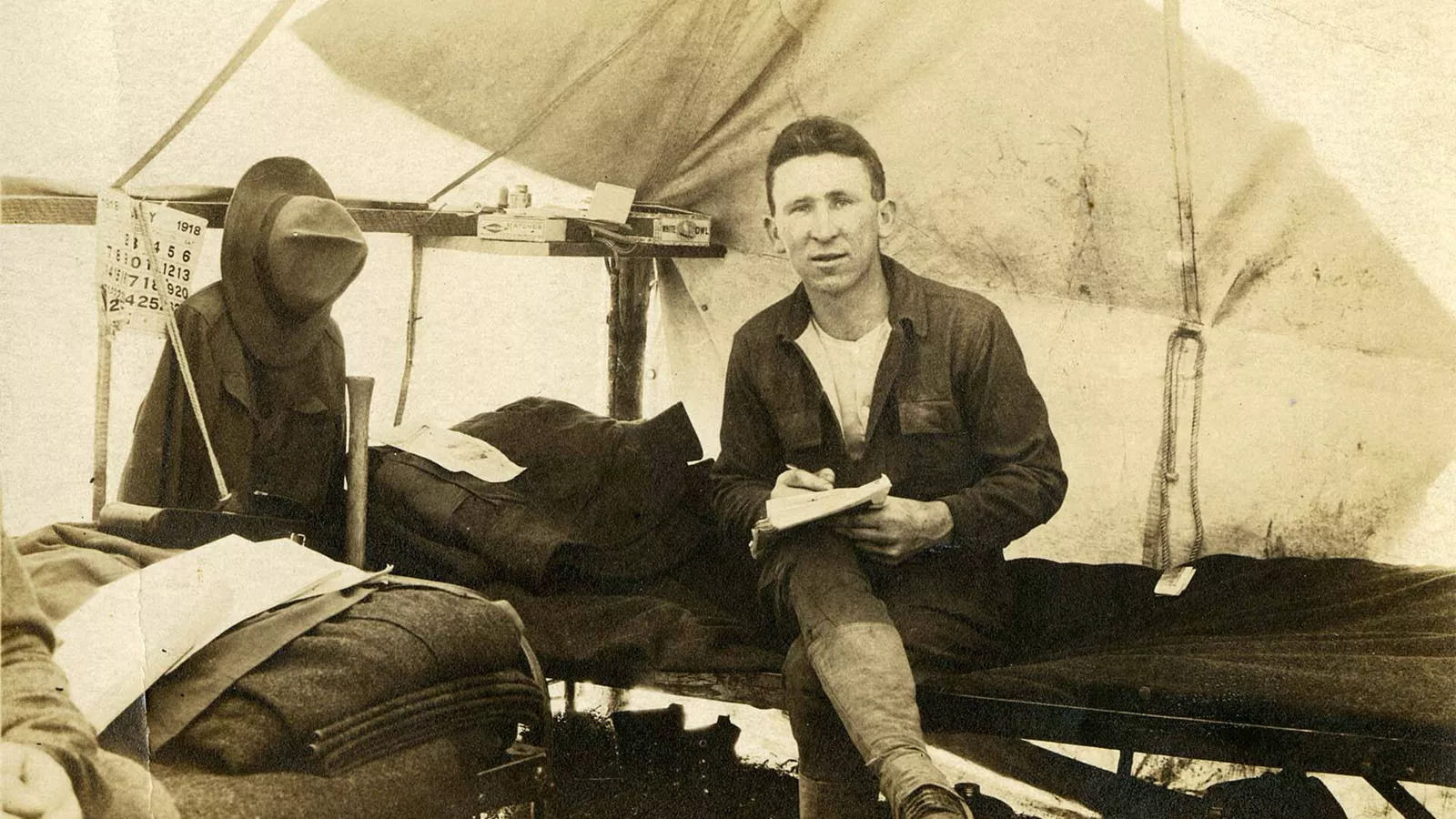
Elevation also changes tent fit. Sloping walls move inward above the floor, so a cot can touch wet fabric even when its footprint fits. Its legs may concentrate enough pressure to abrade a lightweight floor. Check both shelter and cot instructions rather than assuming any combination is safe.
What a Sleeping Pad Changes
A sleeping pad provides cushioning and thermal resistance close to the body. Closed-cell foam is simple and cannot leak. Self-inflating models combine foam with air. Insulated air pads use baffles, reflective films, fibers, or other structures to limit internal heat transfer while packing small.
Purpose-built pads commonly publish an R-value measured using ASTM F3340. Higher values mean greater resistance to heat flow under the test. R-value does not describe softness, thickness, durability, or a guaranteed temperature; it is one comparable property. A low pad can therefore be both warmer and more supportive than a visually thick but uninsulated bed.
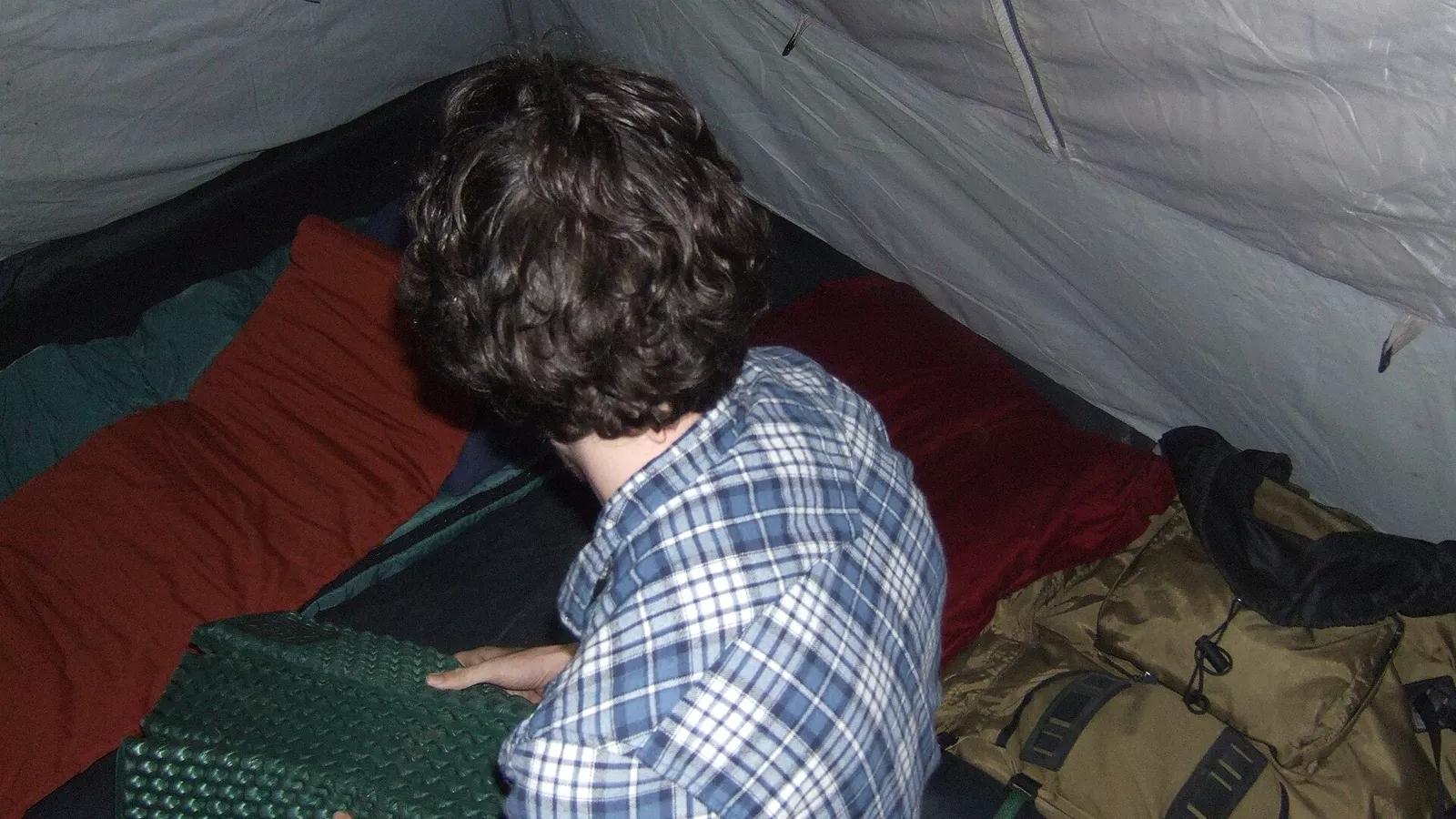
Pads follow the ground, so campsite selection matters. A small root or slope can cause pressure or sliding. Use an established durable surface, remove only loose debris by hand, and do not trench or remodel the site. How to choose a campsite explains drainage, slope, wind, and overhead hazards.
Warmth: Why the Pad Usually Wins
Your sleeping bag's underside compresses under body weight and traps little air. On the ground, a pad slows heat moving from you into the soil. On a cot, a pad slows heat moving into air circulating below. The cot fabric alone has little thermal resistance.
For mild summer nights, cot fabric plus bedding may feel adequate. As temperatures fall, place an appropriately insulated pad on top of the cot. Make sure it lies securely without bending across rails or interfering with frame joints. Adding loose blankets beneath the cot is unpredictable and may absorb dampness; insulation should remain close to the body.
Pad R-values can generally be combined when compatible pads are stacked. A foam pad under an inflatable model adds warmth and puncture backup. Read what is R-value in a sleeping pad before translating a product number into a seasonal plan.
Pressure Relief and Sleep Position
Cots distribute load through tensioned fabric. Back sleepers often appreciate the flat firmness. Side sleepers may feel pressure at the shoulder and hip unless they add a pad, and broad sleepers may contact rails. A taut cot can also elevate the shoulders relative to the pelvis in an uncomfortable way.
Inflatable pads allow fine firmness adjustment. Inflate fully, lie in your normal posture, then release air gradually until the pad conforms without allowing a hip to touch the cot or ground. Thickness is useful only when the internal structure keeps you stable. Baffles that let air surge from side to side can feel less secure than thinner foam.
For pain, circulation limitations, or mobility concerns, personal testing and qualified clinical guidance matter more than category claims. Neither product treats a medical condition.
Entry, Exit, and Nighttime Use
A properly sized cot can make standing easier because the sleeper sits on a raised edge with feet planted. Height must be appropriate: a very low cot offers little benefit, while a tall narrow model may feel unstable. Test sitting, turning, reaching footwear, and standing without using tent walls for support.
A ground-level pad requires lowering and rising. Campers can place a stable hand near the body and keep the doorway clear, but improvised furniture should not be used as a grab bar. If the principal need is accessible entry, inspect frame stability and seek appropriate professional advice.
Keep a headlamp, glasses, medication, water, and shoes within reach without blocking the exit. Organizing a consistent nighttime zone is part of how to sleep comfortably while camping.
Tent Space and Floor Protection
Measure the cot fully assembled, including legs, rails, end bars, bedding, and the room required to assemble it. Compare dimensions with the tent at cot height. Leave clearance from walls, door swing, vents, and another sleeper. Person-capacity labels indicate close sleeping occupancy, not comfortable furniture layouts; use how big of a tent do I need for practical sizing.
Cot feet must be broad and smooth enough for the floor, and the ground below must not contain sharp points. Use only manufacturer-compatible protectors. Improvised hard cups may shift or create new edges. Never force a cot against poles.
A pad spreads load across more floor area and fits irregular tent shapes. Keep its valve away from traffic and sharp gear. Either bed should remain clear of wet walls because contact transfers condensation into sleeping insulation.
Packed Size, Weight, and Trip Style
Standard car-camping cots are heavy and remain long when folded. Confirm they fit through the vehicle opening and tent door. Some lightweight cots use segmented poles and compact feet, but they still add components and setup time compared with a pad.
Pads span a wider range. Foam rolls are bulky outside the pack but light and robust. Insulated air pads compress very small. Self-inflating foam is bulkier but often stable and quiet. For backpacking, pad weight, insulation, reliability, and packed volume normally dominate; camping vs backpacking explains why gear priorities change with transport.

Setup, Noise, and Movement
Cots may unfold, telescope, or require end bars to be tensioned into place. Practice before travel. Lock every joint, keep fingers clear of scissor mechanisms, and never force parts that appear misaligned. Fabric and joints can creak as the sleeper moves.
Inflatable pads require a pump sack, small pump, or another method approved by the maker. A pump sack limits breath moisture. Adjust pressure after the pad cools; temperature changes can soften air equipment without a puncture. Foam requires no inflation and is silent apart from its contact with bedding.
Two cots isolate partner movement but need substantial combined width. Two pads also permit individual firmness and insulation. A double pad removes the gap, yet transfers motion and gives both people one pressure setting.
Durability and Failure Planning
Cot failures include torn fabric, bent rails, unlocked joints, missing feet, and broken hinges. Inspect load-bearing components and respect the weight rating. Do not improvise repairs that could collapse under a sleeper.
Inflatable pads can puncture or leak at seams and valves. Carry the correct patches and adhesive, but remember that repair requires clean, dry material and curing time. Closed-cell foam remains usable after cuts and is the best simple backup.
Match redundancy to remoteness. At a developed campground near a vehicle, a spare foam pad may be enough. On a cold remote trip, stack compatible pads or carry a repair system you have practiced using.
Scenario: Summer Car Camping
A cot is attractive in a tall tent: it creates storage, keeps bedding above a dusty floor, and makes dressing easier. Add a thin comfort pad if rails or tension create pressure. Confirm the weather remains mild; elevation alone does not insulate.
A thick camping pad offers equal or better pressure relief for many sleepers with faster setup and more open tent space. If you spend daytime hours inside during poor weather, the ability to roll it away can be valuable.
Scenario: Cool Shoulder Season
Start with the pad R-value needed for the conditions. Use it on the ground or over the cot. Pair it with top insulation selected for the overnight low, dry sleep clothing, and good shelter ventilation. Compare sleeping bag vs quilt if the top system is still undecided.
Condensation can soak any bedding that touches a wall. Maintain vents and keep wet gear separate; how to stop condensation in a tent provides a diagnostic sequence.
Scenario: Backpacking
For nearly every conventional backpacking trip, choose a sleeping pad. A cot must deliver a very specific benefit to justify its frame weight, floor pressure, assembly, and tent clearance. Select foam for reliability, insulated air for compact comfort, or self-inflating foam for stable support. Protect inflatable material inside the pack and carry a compatible repair kit.
Scenario: Limited Mobility
A stable cot may reduce the distance required to lower and raise the body. Test exact height, edge compression, roll stability, and the path through the tent door. A pad on the cot can improve pressure relief but also raises the sleeper and may slide. Do not treat any generic recommendation as medical or accessibility advice.
Common Mistakes
Assuming a cot is warm because it is off the ground
Air moving below removes heat. Add an insulated pad close to the body.
Measuring only the tent floor
Sloping walls reduce clearance at cot height. Measure the three-dimensional setup.
Ignoring usable cot width
Outside rails reduce the sleeping deck. Test shoulders, elbows, knees, and turning.
Overinflating a pad
Maximum pressure can create a hard surface. Release air gradually while lying on it.
Forgetting concentrated floor loads
Cot feet can abrade lightweight floors. Verify compatibility and approved protection.
Skipping a complete overnight test
A few minutes cannot reveal cold, pressure, noise, slow leaks, or awkward exits.
Pre-Trip Checklist
- Check overnight low, ground conditions, wind, and precipitation.
- Measure bed dimensions against tent clearance at sleeping height.
- Confirm cot load rating, locks, feet, stitching, and tent-floor compatibility.
- Verify pad R-value, valve, overnight air retention, and repair method.
- Test the full system for one night in normal sleep positions.
- Pack an appropriate pad for cot insulation in cool weather.
- Keep bedding away from tent walls and preserve a clear exit.
- Bring manufacturer-compatible patches and any required assembly parts.
- Store sleep gear dry and inflatable equipment with valves protected.
Frequently Asked Questions
Is a cot more comfortable than a sleeping pad?
It depends. A cot offers height and firm support; a thick pad can provide better contouring without rails. Test your actual sleep position overnight.
Do you need a sleeping pad on a cot?
Usually in cool conditions, because the cot has little thermal resistance and air moves underneath. A pad also improves pressure relief.
Does a cot damage a tent floor?
It can if feet are narrow, rough, overloaded, or placed over sharp ground. Follow both manufacturers' guidance and use only compatible floor protection.
Which is better for a side sleeper?
A thick, stable pad usually relieves shoulder and hip pressure more easily. A wide cot plus pad can also work if rails remain clear.
Can I put an inflatable pad on a cot?
Yes when dimensions and manufacturers permit it. Test sliding, valve clearance, rail contact, and total height.
Which is better for winter camping?
An appropriately rated insulated pad is essential. A cot can be added for height, but it does not replace the pad and may increase convective cooling beneath you.
Final Takeaway
A cot solves height, firm support, and organization; a sleeping pad solves insulation, portability, and flexible fit. For maximum car-camping comfort, the answer may be both: a suitable insulated pad on a compatible cot. Measure the full shelter, test overnight, protect the floor, and plan for the failure mode of every load-bearing or inflatable component.
Sources and Further Reading
- ASTM International, ASTM F3340: Standard Test Method for Thermal Resistance of Camping Mattresses Using a Guarded Hot Plate Apparatus.
- U.S. National Park Service, camping preparation and equipment guidance.
- Leave No Trace Center for Outdoor Ethics, Plan Ahead and Prepare and durable-surface guidance.
- Equipment manufacturers' instructions for load limits, floor compatibility, inflation, and repair.