
Practical Camping Guide
How to Keep an Air Mattress Warm While Camping
To keep an air mattress warm, put a properly insulated camping pad directly on top of the mattress, then use dry sleep clothing and a sleeping bag or quilt suited to the overnight low. Keep the mattress away from tent walls, control drafts while maintaining ventilation, and top up pressure after the evening air cools. A blanket beneath the mattress protects the floor but does far less for your body than insulation placed immediately below you.
By Danny WalkerUpdated 13 min read
To keep an air mattress warm, put a properly insulated camping pad directly on top of the mattress, then use dry sleep clothing and a sleeping bag or quilt suited to the overnight low. Keep the mattress away from tent walls, control drafts while maintaining ventilation, and top up pressure after the evening air cools. A blanket beneath the mattress protects the floor but does far less for your body than insulation placed immediately below you.
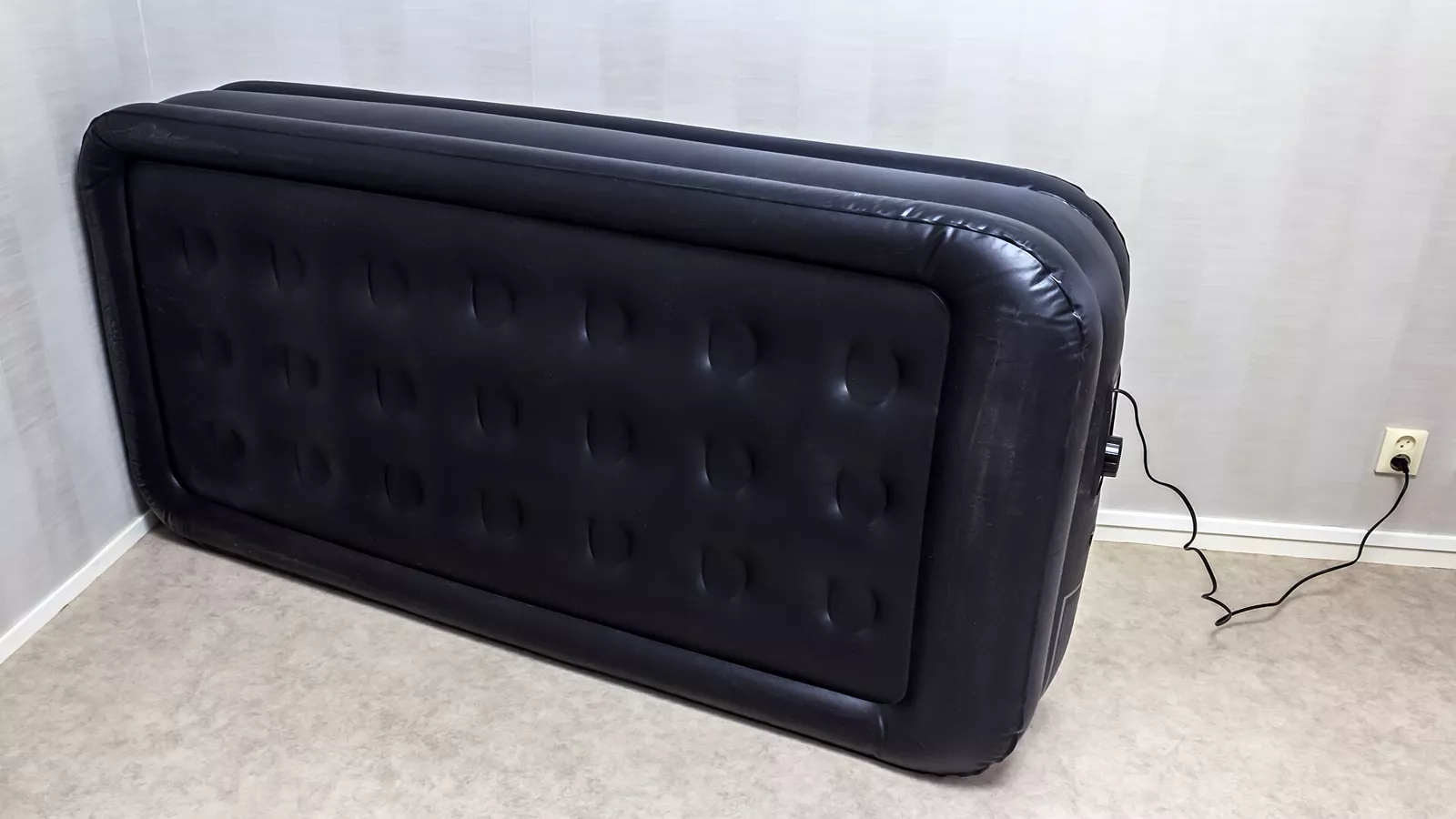
The key problem is not that an air mattress “contains cold.” Your warmer body transfers heat into the mattress, and air moving inside its large chamber carries that heat toward the colder ground and sides. Height alone is not thermal resistance. Unless the mattress has a credible tested R-value, treat it as cushioning rather than insulation.
Quick Fix Table
| Problem | Best first adjustment | Why it helps |
|---|---|---|
| Cold rises from below | Put an insulated sleeping pad on top | Adds tested resistance close to the body |
| Mattress softens overnight | Add air after temperature stabilizes | Cooling air contracts even without a leak |
| Cold shoulders or sides | Use wider top insulation and block drafts | Prevents warm air from escaping around the body |
| Bedding feels damp | Increase ventilation and separate wet gear | Dry insulation retains loft more effectively |
| Mattress touches tent wall | Move it inward or use a larger shelter | Avoids condensation transfer and compressed bedding |
| No published mattress R-value | Plan conservatively and test | Thickness cannot substitute for thermal data |
| Power unavailable | Bring a compatible manual pump | A warm system is useless if the bed cannot inflate |
Put Insulation on Top, Not Only Underneath
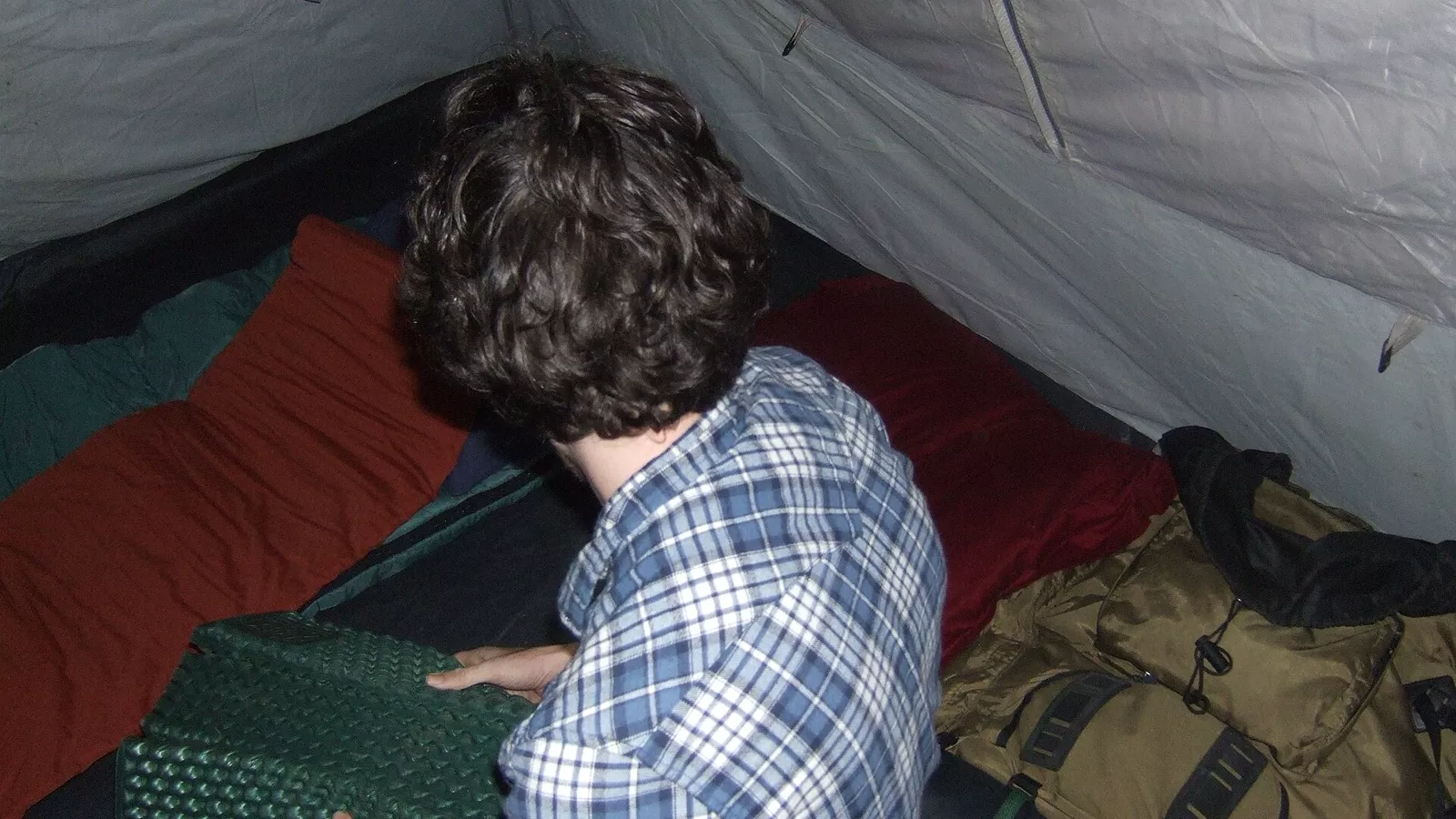
The most effective retrofit is an insulated camping pad between the sleeper and air mattress. It interrupts heat flow before warmth enters the large chamber. Choose a pad with a tested R-value suitable for the conditions, and make sure it covers shoulders, hips, and legs in your normal sleep position.
A foam mat, self-inflating pad, or insulated air pad can work. Closed-cell foam is inexpensive, cannot deflate, and adds puncture backup. Self-inflating foam tends to stay stable on a broad mattress. A compact insulated air pad can provide strong thermal performance but may slide; test surface compatibility before the trip.
Putting blankets beneath the entire mattress may reduce floor abrasion and slightly limit heat exchange, but much of their loft is compressed and they remain far from the body. If the goal is warmth, prioritize insulation on top. Never use an electric blanket unless the product, power source, environment, and campsite rules explicitly support safe use; moisture, cords, batteries, and improvised inverters add hazards.
Choose the Pad by R-Value
R-value measures resistance to heat flow. A higher value provides more resistance under the test conditions. ASTM F3340 gives camping mattress manufacturers a repeatable method, making compliant products easier to compare.
There is no universal conversion from one R-value to a guaranteed air temperature. Ground temperature, wind, dampness, body size, sleep position, metabolism, clothing, and top insulation all matter. Start with manufacturer season guidance, add margin for uncertainty, and consult what sleeping pad R-value do I need for practical planning bands.
If two compatible pads are stacked, their R-values are generally treated as additive. Ensure they fully overlap. A high number does not help an arm or leg that falls onto the uninsulated mattress edge.
Why Air Mattresses Cool You
A household-style air bed often has one large connected chamber. Your body warms its upper surface. Cooler, denser air inside sinks while warmer air rises, establishing circulation that moves energy toward the cold ground. The sidewalls also expose a large area to tent air.
Camping air pads reduce these paths with foam, fibers, reflective films, or carefully divided baffles. That internal construction, not inches of height, explains why a low camping pad may be warmer than a tall guest bed. Sleeping pad vs air mattress compares their performance and packing tradeoffs.
Avoid trying to “warm the air” by blowing heated air into the mattress. Hair dryers and improvised heaters can damage valves or vinyl, create unsafe electrical loads, and overpressure the chamber. Inflate only through manufacturer-approved methods.
Match Top Bedding to the Overnight Low
Ground insulation solves only one path. Use a sleeping bag or quilt designed for expected air conditions. A bag offers enclosed draft control; a quilt offers easy venting but depends on a secure edge seal and insulated pad. Compare sleeping bag vs quilt before choosing.
Temperature labels are comparative tools, not promises. Use a comfort-oriented value rather than an extreme or survival figure. Leave margin for cold sensitivity, humidity, fatigue, and forecast error. A camping blanket may be comfortable in mild weather but open edges become harder to manage near the system's lower limit.
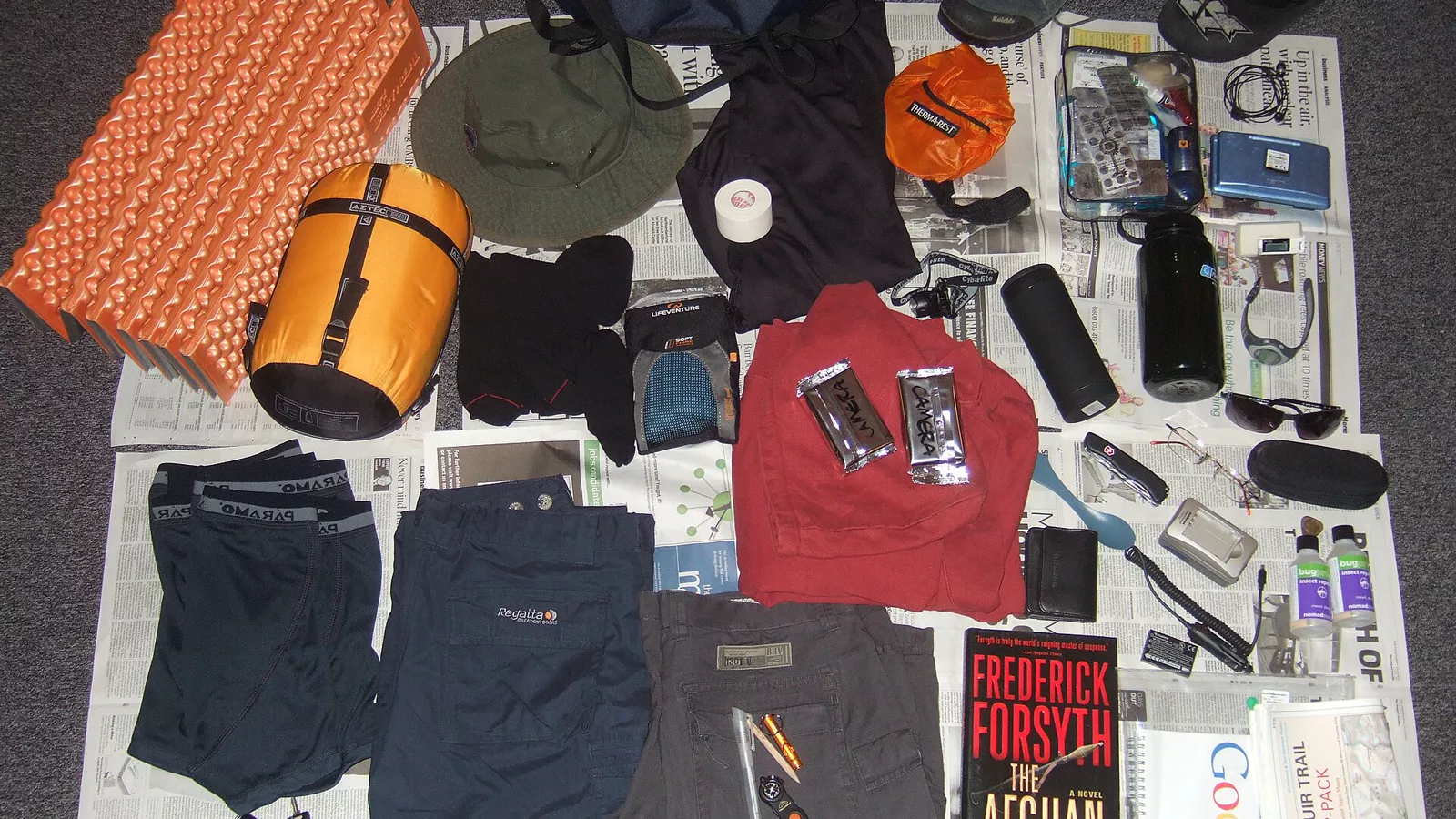
Wear a dry base layer and clean socks. Change out of clothes damp from hiking, cooking, or rain. Avoid filling the bag with bulky layers until its loft is compressed. If you begin to overheat, vent early rather than allowing sweat to dampen insulation.
Manage Pressure as Temperature Falls
An air mattress filled during a warm afternoon often feels softer after sunset. Cooling gas contracts. This predictable pressure loss does not necessarily indicate a puncture. Let the bed cool toward nighttime temperature, then add air within the manufacturer's instructions.
Do not overinflate in anticipation of cooling. Excess pressure stresses seams and produces a hard, unstable surface. If the mattress loses substantial firmness while temperature remains stable, inspect the valve and seams for a leak. Test it overnight at home before the trip, and carry a repair kit compatible with its exact shell material.
Firmness affects warmth indirectly. When underinflated, the hips may approach the cold ground or the insulating pad may bend and separate. When overinflated, pressure discomfort causes repeated movement and may shift bedding. Adjust while lying in your normal position.
Control Drafts Without Sealing the Tent
Pitch the rainfly evenly, orient the shelter for expected wind, and secure loose panels. Moving air across mattress sides and through gaps in bedding increases heat loss. Use the tent's designed wind protection rather than piling equipment against vents.
Keep upper vents open enough to release moisture from breathing and perspiration. Fully closing a tent can increase condensation, which dampens insulation and makes the bed feel colder. Follow how to stop condensation in a tent to balance airflow and weather protection.
Never use a stove, grill, candle, or unapproved combustion heater inside a tent. Fire and carbon monoxide risks cannot be managed by cracking a door. Warmth should come from insulation, dry layers, food, site selection, and safe bedding.
Keep the Mattress Away From Cold, Wet Walls
Measure the fully inflated bed against the tent's usable space at mattress height. Sloping walls narrow as they rise, so a queen mattress may technically fit the floor while its upper edge presses into the fly or inner wall. Contact transfers condensation, compresses bedding, and restricts airflow.
Leave clearance on every side and preserve a direct path to the door. If this is impossible, use a smaller mattress or larger tent. Capacity labels describe close sleeping occupancy rather than furniture layouts; how big of a tent do I need provides a measurement-based approach.
Select level, well-drained established ground. Avoid depressions where cold air and water gather. Remove only loose sharp debris by hand; do not trench or alter vegetation. A footprint can protect the tent as directed by its manufacturer, but a tarp extending beyond the floor may collect rainwater underneath.
Scenario: Mild Summer Car Camping
For a stable warm forecast, use the mattress for pressure relief and add a modest insulated or foam pad if the ground remains cool. Light bedding may be enough, but keep a dry backup layer in the vehicle. Top up pressure after sunset and test whether a fitted sheet or pad coupling prevents sliding.
Vent the tent early. Hot sleepers sometimes close every mesh panel because nighttime air feels cool, then wake in damp bedding. Moisture management protects warmth later in the night when temperatures fall.
Scenario: Cool Spring or Fall Campground
Treat the air mattress as an uninsulated platform unless it has credible data. Put a suitable tested pad on top, use a comfort-rated sleeping bag with margin, and wear dry base layers. A foam pad is valuable backup if either the main pad or mattress loses air.
Check the campsite forecast rather than a nearby low-elevation town. Valleys collect cold air, clear skies allow rapid cooling, and wet ground increases the challenge. The passive techniques in how to keep a tent warm improve the system without introducing fuel-burning hazards.
Scenario: Two People on a Queen Mattress
One broad chamber transfers motion and can make the lighter sleeper roll inward. Use individual insulated pads on top if partners need different warmth, but test whether they separate. Compatible coupling straps or a fitted cover can help if they do not compress insulation or damage pad shells.
Separate sleeping bags are usually easier to regulate than one shared blanket when people sleep at different temperatures. Ensure both pads remain entirely on the mattress and both sleepers have wall clearance. One leak affects everyone, so keep at least one independent foam pad available.
Scenario: Unexpected Cold Front
First add insulation beneath each sleeper, not merely more mass under the mattress. Put spare foam or tested pads on top. Change into dry clothes, eat an appropriate meal, and add dry top layers without crushing sleeping-bag loft. Tighten safe tent guylines to control flapping and wind infiltration while leaving vents functional.
If the system remains inadequate, use the safe exit plan: return to the vehicle, heated building, or lower-risk location. Gear improvisation is not a substitute for avoiding hypothermia. Do not continue a cold night solely because the equipment has a nominal rating.
Common Mistakes
Putting every insulating layer below the mattress
Floor protection is useful, but insulation works best close to the sleeper. Place the tested pad on top of the large air chamber.
Assuming mattress height equals R-value
A tall uninsulated chamber may circulate heat efficiently. Look for standardized thermal data rather than inches.
Using ordinary cotton bedding in wet conditions
Cotton absorbs water and dries slowly. For cool or damp trips, choose sleep clothing and insulation that can be kept dry and managed for the conditions.
Overinflating before a cold night
More pressure does not add thermal resistance and can strain seams. Adjust after cooling, within manufacturer limits.
Blocking every vent to trap warmth
People produce moisture all night. Condensation can dampen the very insulation needed for warmth.
Letting the bed touch the shelter
Tall sides are close to sloping walls. Maintain space for airflow, dry bedding, and a clear exit.
Depending on one electric pump
A built-in AC pump may be useless at a non-electric site. Carry a compatible manual or independent battery option and verify it before departure.
Testing for only a few minutes
A short lie-down cannot reveal cooling, slow leaks, partner movement, condensation, or morning pressure. Conduct a full home overnight test.
Warm Air Mattress Checklist
- Check the forecast low at campsite elevation and review recent weather.
- Verify whether the mattress has a tested R-value; assume conservatively if it does not.
- Put a suitable insulated camping pad directly beneath each sleeper.
- Confirm complete shoulder, hip, leg, and foot coverage.
- Use a sleeping bag or quilt appropriate for the overnight low.
- Pack dry base layers and protect all bedding in waterproof storage.
- Inflate the mattress overnight at home to check for slow leaks.
- Bring the correct pump, valve adapter, power plan, and manual backup.
- Carry repair materials compatible with the mattress and sleeping pad.
- Measure wall clearance and keep the tent exit unobstructed.
- Vent the tent and separate wet gear from the sleeping area.
- Keep an independent foam pad or safe retreat available.
Frequently Asked Questions
What should I put on an air mattress to keep warm?
Put an insulated camping pad with a suitable tested R-value on top of the mattress, then use dry sleep clothing and temperature-appropriate top insulation. A fitted sheet can improve feel but offers little meaningful thermal resistance.
Should I put a blanket under the air mattress?
A blanket below can protect against abrasion and add a small barrier, but it is compressed and far from your body. Prioritize an insulated pad above the mattress. Keep any lower fabric dry and inside the tent footprint.
Why does my mattress feel colder than the ground pad?
Its large connected air volume can circulate heat toward the ground and exposed sides. A camping pad may use internal foam, fibers, films, or baffles specifically to slow that movement.
Can I use a foam pad on top of an air mattress?
Yes. Closed-cell foam adds reliable insulation and cannot deflate. Test sliding and ensure its edges or straps do not damage the mattress.
Does putting a sleeping bag under me help?
Not efficiently. Body weight compresses the bag's loft. Use a purpose-built insulated pad below and keep the sleeping bag lofted around and above you.
How cold is too cold for an air mattress?
There is no universal cutoff. An uninsulated model may be uncomfortable on surprisingly mild nights. Judge the added pad, bedding, ground, forecast, personal tolerance, and retreat options as a complete system.
Why does the mattress lose air overnight?
Cooling air contracts, so some softening is normal after a warm setup. Large or continuing loss at stable temperature suggests a valve, puncture, or seam problem. Test and repair it before relying on it.
Can I use a heater to warm the mattress?
Do not use a stove, grill, candle, hair dryer, or unapproved heater in or on the mattress. Follow product instructions and campground rules. Passive insulation is the dependable solution.
Final Takeaway
An air mattress can be comfortable in cool weather only when treated as part of a layered system. Put tested insulation on top, match bedding to the overnight low, manage pressure after temperatures fall, keep everything dry, and preserve tent ventilation and wall clearance. Test the complete arrangement before travel and carry a foam backup or safe retreat. The warmest strategy is not heating the mattress—it is preventing body heat from entering its large air chamber in the first place.
Sources and Further Reading
- ASTM International, ASTM F3340: Standard Test Method for Thermal Resistance of Camping Mattresses Using a Guarded Hot Plate Apparatus.
- ISO, ISO 23537-1: Requirements for sleeping bags — Thermal, mass and dimensional requirements.
- U.S. National Park Service, camping preparation and equipment guidance.
- U.S. Consumer Product Safety Commission, portable-generator and combustion safety guidance.
- Leave No Trace Center for Outdoor Ethics, Plan Ahead and Prepare.