
Practical Camping Guide
Camping Cot vs Air Mattress: Which Is Better for Camp?
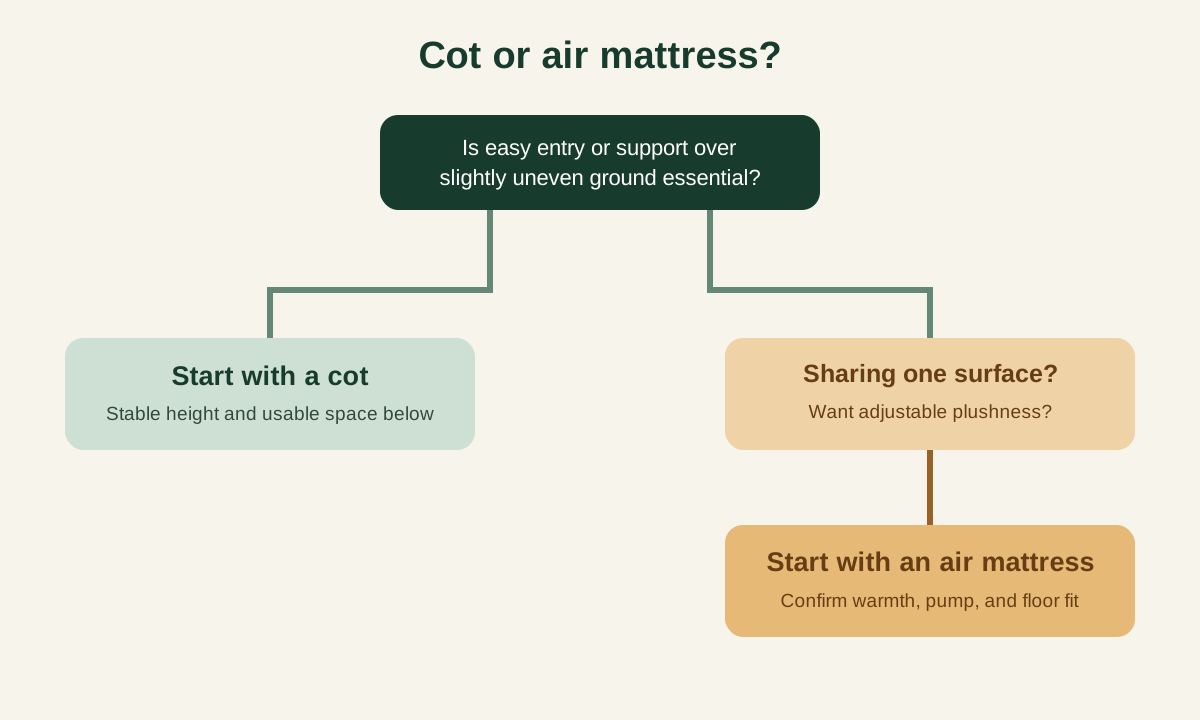
Choose a camping cot when easy entry, a stable individual surface, airflow, and usable storage underneath matter most. Choose an air mattress when you want a broad, cushioning surface—especially for two people—and have a level campsite, a large enough tent, and dependable inflation. Neither is automatically warm: cold air circulates beneath a cot, while an uninsulated mattress can move heat through its large air chamber. Both usually need deliberate insulation in cool conditions.
By Danny WalkerUpdated 14 min read
Choose a camping cot when easy entry, a stable individual surface, airflow, and usable storage underneath matter most. Choose an air mattress when you want a broad, cushioning surface—especially for two people—and have a level campsite, a large enough tent, and dependable inflation. Neither is automatically warm: cold air circulates beneath a cot, while an uninsulated mattress can move heat through its large air chamber. Both usually need deliberate insulation in cool conditions.
This choice is primarily for car camping. Standard cots and full-size air beds are heavy and bulky compared with backpacking pads. The right answer depends on the sleeper's mobility, support preference, the tent's usable volume, and the consequences of a failure—not on which resembles a home bed.
Quick Decision Table
| Situation or priority | Better starting choice | Why |
|---|---|---|
| Easier sitting, standing, or dressing | Cot | Raised, firm edge provides a predictable transfer height |
| Couple who wants one continuous surface | Air mattress | Double and queen sizes avoid a gap between separate beds |
| Slightly uneven tent floor | Cot | Adjustable placement and tension can bridge minor irregularities |
| Maximum cushioning | Air mattress | Air pressure can be tuned within product limits |
| Storage in a tall tent | Cot | Bags may fit below the frame without blocking the exit |
| Limited tent width | Single cot, after measuring | Narrow footprint may preserve an aisle |
| Different partner firmness preferences | Two cots or two independent pads | Each sleeper gets separate support |
| Fast failure backup | Cot plus foam pad | Frame remains elevated if the pad fails |
How the Support Systems Differ
A cot stretches fabric across a rigid frame and supports it on legs. Body weight transfers through the fabric, rails, hinges, and feet into several concentrated points on the tent floor. The sleeper remains above small roots and shallow depressions. Firmness is mostly fixed by fabric tension and frame design, although adding a pad changes cushioning.
An air mattress supports the body with a pressurized chamber. Internal beams or coils control bulging and distribute load. Firmness changes with inflation, temperature, and combined sleeper weight. A large mattress conforms more than cot fabric and can feel familiar, but partner motion and center sag depend strongly on construction and pressure.
Neither design guarantees healthy alignment or pain relief. Bodies and medical needs vary. Test your normal side, back, or stomach position for a full night, and follow professional advice for mobility or health concerns.
Comfort and Pressure Relief
Cots feel supportive to campers who dislike sinking, but a narrow or highly tensioned model can create pressure at shoulders and hips. Side rails may contact elbows or knees. Width specifications normally measure the frame's outside dimensions; usable fabric width may be smaller. Sit, lie, and roll before purchasing.
An air mattress distributes load across a broad area. Too much pressure creates a hard, bouncy platform; too little allows the pelvis to sag or the body to contact the ground. For two people, a single chamber transmits movement and may pull both sleepers toward the heavier side. Separate chambers or two independent beds reduce this interaction.
A thin foam or self-inflating pad on a cot can improve pressure distribution and warmth. Secure it only with compatible, non-damaging methods. A topper on an air mattress may soften its surface but does not correct internal instability or guarantee insulation.
Warmth: Both Need a Plan
The open space beneath a cot permits cold air to circulate. A sleeping bag's underside compresses under body weight and supplies little insulation, so the cot still needs a pad on top in cool weather. Placing loose bedding beneath the cot does not create dependable insulation at the body unless it safely blocks air movement and remains dry; a purpose-built pad is clearer and more reliable.
A tall uninsulated air mattress can also sleep cold. Air circulates inside the chamber and transports heat from the warm upper surface toward the ground and sides. Visual thickness is not thermal resistance. If a mattress lacks a tested R-value or insulation specification, do not assign one based on height.
Camping mattresses tested under ASTM F3340 may report R-value. Higher values mean greater resistance to heat flow under the test. Select the pad layer for expected ground conditions and personal experience. Sleeping pad vs air mattress examines that thermal difference in more detail.
Your top insulation matters too. Compare sleeping bag vs camping blanket for draft control and versatility, but remember that adding blankets above cannot efficiently correct inadequate insulation below.
Height, Mobility, and Stability
Cot height can make entry and exit easier because the edge behaves like a bench. The best height allows the sleeper to sit with controlled balance and place feet securely. A very low cot may not solve the transfer problem; a high narrow cot can feel unstable. Check the manufacturer's weight limit and setup instructions, and seek appropriate advice if mobility is impaired.
A tall air mattress also raises the sleeper, but its edge compresses when sat upon. That changing edge may be less predictable than a cot rail and fabric deck. Low pressure, a slow leak, or a partner moving can further alter stability. Place the bed on a level surface and keep a light within reach.
Never use a cot as a step or bench beyond its intended use. Lock every frame joint fully and keep fingers clear of scissor mechanisms. On an air bed, avoid standing, jumping, or exceeding occupancy and load ratings.
Tent Fit Is More Than Floor Area
A cot or mattress can fit the rectangular floor dimensions yet collide with sloping walls at sleeping height. Contact with tent fabric transfers condensation to bedding, reduces airflow, and can stress the shelter. Measure the bed's fully assembled width, length, and height, then compare the tent cross-section at that height.
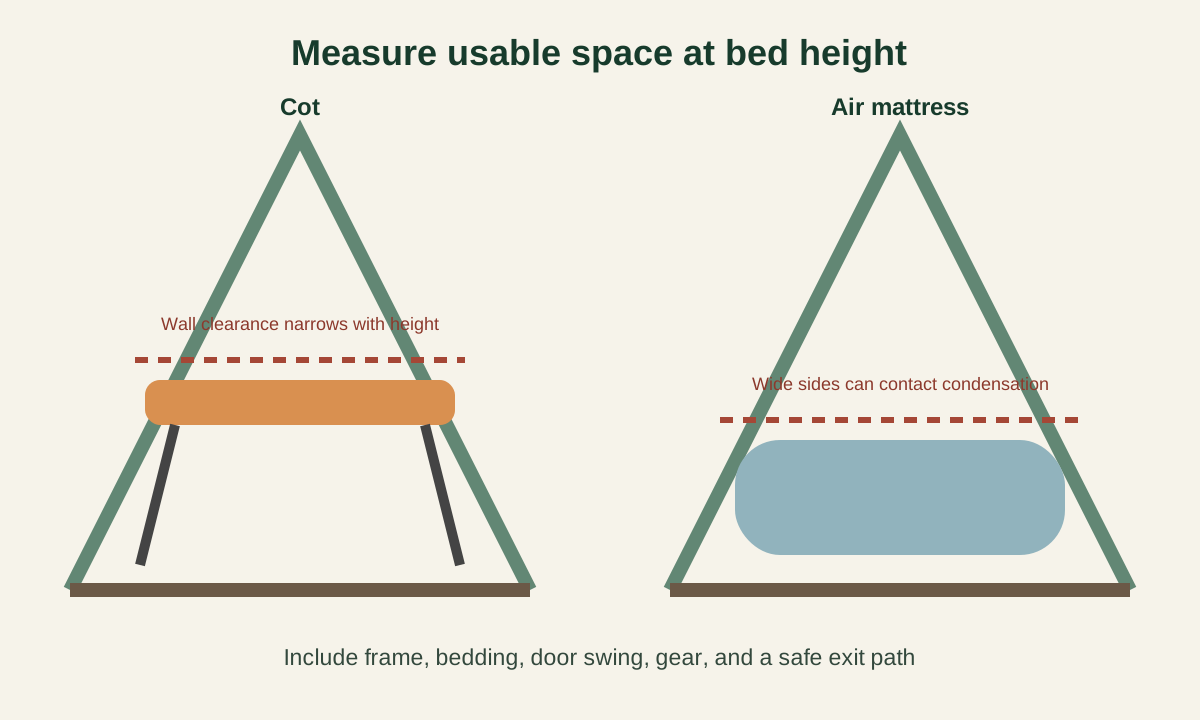
Cots add another constraint: legs concentrate force. Use only a tent-and-cot combination approved or known to tolerate those loads. Broad, smooth feet distribute pressure better than narrow ends, but improvised hard cups can introduce sharp edges. Follow the tent and cot makers' guidance.
Air mattresses apply distributed load but can press forcefully against walls as they expand or as occupants move. Leave clearance around valves and pump controls. Preserve an unobstructed path to the door and keep vents open. If the bed dominates the shelter, use how big of a tent do I need to size by usable living space rather than person count.
Setup and Takedown
Cots require frame assembly or unfolding. Some use strong tension and demand leverage to seat the final rail; practice at home and never force an unfamiliar joint. Confirm all locks are engaged before loading the cot. Count loose end bars and feet during packing.
Air mattresses trade mechanical assembly for inflation logistics. Verify that the pump matches the valve and available power. A built-in AC pump may not operate at a non-electric campsite. Rechargeable pumps need a tested runtime; batteries need spares and appropriate storage. Bring a manual fallback that can move the required air volume.
Deflation also affects departure. A cot can be folded when dry, while an air bed must be emptied, folded without abusing the valve, and packed after moisture and grit are removed. Budget morning time rather than rolling wet equipment into a tight bundle.
Packed Size and Transport
Standard steel-frame cots are long and heavy even when folded. Aluminum models can reduce mass, but dimensions and load capacity still matter. Measure the vehicle's cargo opening and storage length. A cot bag is easier to handle if its straps support the full weight.
A mattress itself may pack smaller than a cot, but include the pump, power equipment, bedding, repair kit, and backup. Tall models contain more material and take longer to inflate. Vehicle space may favor two compact cots, a single mattress, or neither—two purpose-built sleeping pads are often the most space-efficient car-camping solution.
For backpacking, use equipment designed for carried travel. Lightweight cots exist but still impose a substantial weight and setup tradeoff; household air beds are inappropriate. Camping vs backpacking explains how the transport method changes the entire kit.
Durability and Failure Modes
A cot can fail at fabric seams, rail pockets, hinges, shock cord, or feet. Inspect stitching and joints before every trip. Keep the frame clean, dry metal after rain, and respect the load rating. Field repair may stabilize a minor fabric problem, but a damaged load-bearing frame should not be improvised where collapse could injure someone.
An air mattress can puncture, separate at a seam, leak around a valve, or suffer pump failure. Clear loose debris by hand without altering the campsite. Keep shoes, keys, pet claws, and sharp buckles away. Pack the correct patch adhesive; generic tape may not bond to vinyl, coated textile, or flocked surfaces.
A cot retains some function if a topper leaks. An air mattress may lose nearly all support. Match backup planning to that consequence. A closed-cell foam pad is unglamorous but cannot deflate and can keep one person off the bare floor.
Noise and Partner Disturbance
Cots may creak as fabric rubs rails or joints move. Set them level, check assembly, and avoid unapproved lubricants that could damage fabric or attract grit. Separate cots isolate most partner motion but may produce two sets of frame noise.
Air mattresses can squeak against tent floors and bedding. A fitted sheet or manufacturer-approved layer may reduce surface noise. Internal air displacement carries motion across a shared chamber, so couples with different schedules or restless sleep may prefer separate pads.
Pitch the tent taut to reduce flapping and keep the sleep area organized. How to sleep comfortably while camping covers noise, pressure, temperature, and bedtime routines together.
Storage and Organization
Under-cot space can hold soft duffels and clothing, making a tall tent easier to organize. Keep hard or sharp items away from the tent floor and cot fabric. Do not block ventilation, exits, or access to footwear and medication. Food and scented items must follow campground and wildlife-storage rules rather than being hidden under the bed.
An air mattress usually consumes most floor space and leaves no storage beneath it. Use vertical pockets or keep nonessential gear in the vehicle where permitted. Protect essentials from condensation and keep the door route clear. Our guide to how to keep your campsite organized offers a dry-zone and activity-zone method.
Scenario: Solo Camper in a Cabin-Style Tent
A cot works especially well here. Vertical walls provide clearance, a narrow bed preserves an aisle, and the space below holds a duffel. Add a suitable insulated pad for cool nights. Confirm feet will not damage the floor and that the assembled cot can turn through the door.
An air mattress is still viable if the camper values soft cushioning. A twin size uses less room than a queen and allows separate gear storage. Test the pump, overnight pressure, and edge stability before the trip.
Scenario: Couple at a Developed Campground
A double or queen mattress offers a continuous surface and familiar bedding. It suits partners with similar firmness preferences who tolerate motion transfer. Choose a tent with substantial clearance and keep an independent backup pad available.
Two cots create separate support and can ease entry for both campers. The gap prevents cuddling and increases combined frame width. Some purpose-built cot systems join frames or support a double pad; use only manufacturer-approved configurations.
Scenario: Cool, Damp Shoulder Season
Neither surface should be used bare. Put an appropriately insulated camping pad on top of the cot, or use an air system with credible thermal performance. Keep all bedding from touching tent walls and ventilate the shelter. Read how to stop condensation in a tent if moisture forms inside.
Protect sleep gear in waterproof storage during travel. Never run a stove, grill, or unapproved combustion heater inside the tent. If rain is expected, how to keep a tent dry in the rain covers site selection and wet/dry zoning.
Common Mistakes
Assuming elevation means warmth
Air beneath a cot and inside an uninsulated mattress can move heat away. Add thermal resistance close to the body.
Ignoring wall slope
Measure the tent at bed height, not just across the floor. Leave space for bedding, airflow, and exit.
Using the cot without protecting the floor
Concentrated foot loads can abrade or puncture some tent floors. Follow manufacturer compatibility guidance; do not improvise sharp hard pads.
Relying on one electric pump
Confirm power, valve adapter, charge, and a manual alternative. Never create an unsafe cord or vehicle-exhaust arrangement.
Overinflating for firmness
Excess pressure stresses seams and may worsen comfort. Stay within instructions and adjust after lying down.
Skipping the overnight test
A complete home test exposes creaks, sag, width problems, slow leaks, and difficult assembly while an indoor fallback exists.
Pre-Trip Checklist
- Compare assembled dimensions with tent width, length, wall slope, and door.
- Check user weight, frame, mattress, and tent-floor limits.
- Test the complete setup overnight in expected sleep positions.
- Add a pad with appropriate insulation for cool conditions.
- Inspect cot locks, rails, feet, stitching, air valves, seams, and pump.
- Pack compatible repair supplies and an independent fallback.
- Verify pump power, charge, adapter, and manual option.
- Preserve a clear exit and keep bedding away from walls.
- Store food and scented products according to local rules.
- Dry and clean all components before long-term storage.
Frequently Asked Questions
Is a cot warmer than an air mattress?
Not automatically. Cold air flows beneath a cot, and a large uninsulated mattress can circulate heat internally. The insulated pad or mattress specification determines the stronger system.
Do I need a sleeping pad on a camping cot?
In cool conditions, usually yes. A pad adds thermal resistance and pressure relief. Choose one that stays stable and does not interfere with the cot frame.
Is a cot better for back pain?
Some people prefer its firm, stable support and raised entry; others develop pressure points. No category treats a medical condition. Test carefully and follow advice from a qualified clinician.
Can two people sleep on one cot?
Only if the cot is explicitly designed and rated for two occupants. Never exceed its load or use a single cot as a double bed.
Will cot legs damage a tent floor?
They can concentrate force, especially on thin fabric or rough ground. Check both manufacturers' instructions and use only compatible protective measures with broad, smooth contact.
Which is easier to repair at camp?
A small air puncture may be patchable if it is located, clean, and dry. Cot fabric or frame damage may be harder to make load-safe. The best option is the one inspected in advance with a realistic backup.
Final Takeaway
A cot provides stable height, separate support, and useful storage; an air mattress provides broad cushioning and a shared surface. Choose only after measuring the tent at bed height and planning insulation below your body. Practice setup, test for a full night, and carry a backup proportional to the trip. Bed-like appearance is less important than warmth, clearance, stability, and a safe exit.
Sources and Further Reading
- ASTM International, ASTM F3340: Standard Test Method for Thermal Resistance of Camping Mattresses Using a Guarded Hot Plate Apparatus.
- U.S. National Park Service, camping preparation and equipment guidance.
- Leave No Trace Center for Outdoor Ethics, Plan Ahead and Prepare and durable-surface guidance.
- U.S. Consumer Product Safety Commission, portable-generator and consumer-product safety guidance.