Buying Guide
5 Best Entry Level Backpacking Sleeping Bags in 2026: A Practical Camping Guide
Best entry-level backpacking sleeping bags compared on printed weight, pack size and temperature range, for first-time hikers building a sleep system.

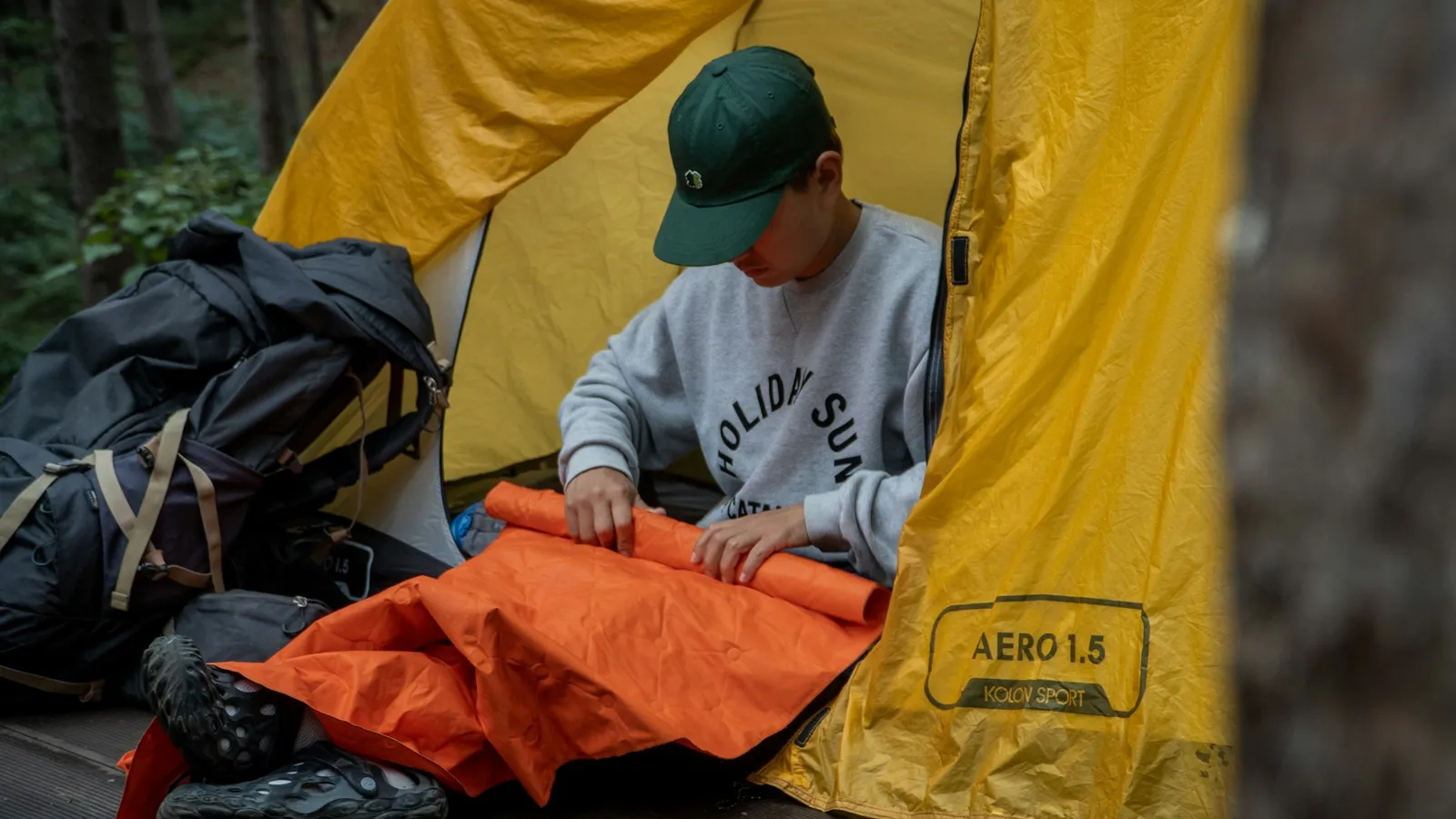
Your first backpacking bag should be forgiving: a rating you can read, a weight on the page and a design that does not need babying. The five bags here cover that, from a 41F Thinsulate mummy to a down bag with ISO figures for hikers ready to step up.
Entry-level does not mean cheapest. Printed weight and stuff size matter more at this stage than shaving a few dollars, because they let you plan your pack before the trip.
Danny’s Camping field notes
The Campsite Fit Check
A quick way to connect the shortlist to the space, workload and ownership details that matter after the box arrives.
- Start with the job
- Kelty Cosmic Synthetic Fill 40 Degree Backpacking Sleeping Bag with Compression Straps leads this shortlist for First summer and fall hikes. Use that fit as a reference point, then compare the alternatives against your own space and workload.
- Specs that separate the picks
- The first details to compare are 2 lb 6 oz, 24 oz fill, 20F mummy, microfiber, 41F mummy, 2.4 lb. Confirm the exact model and included components before ordering.
- Trade-off to plan for
- Rated 40 degrees, not for cold snaps
The Practical Shortlist
A practical look at 5 options, organized around the job each one suits best.

Best Overall
Kelty Cosmic Synthetic Fill 40 Degree Backpacking Sleeping Bag with Compression Straps
First summer and fall hikes
Our take Check price for Kelty Cosmic Synthetic Fill 40 Degree Backpacking Sleeping Bag with Compression Straps (opens in a new tab)

Best Cooler-Nights Mummy
Teton Trailhead
Beginners expecting cold nights
Our take Check price for Teton Trailhead (opens in a new tab)
Best Mid-Weight Value
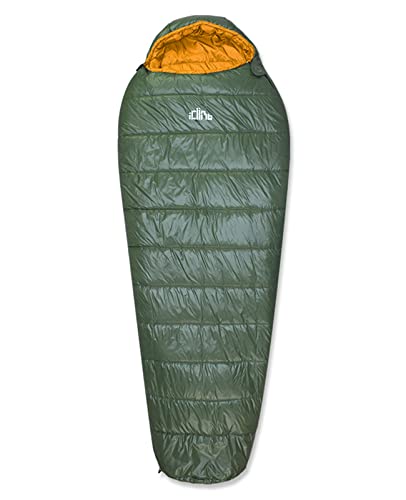
iClimb 3M Thinsulate Insulation Sleeping Bag
Budget first bag
Our take Check price for iClimb 3M Thinsulate Insulation Sleeping Bag (opens in a new tab)

Best Ultralight Add-On
Naturehike Ultralight Backpacking Down Sleeping Bag for Adults
Warm trips and layering
Our take Check price for Naturehike Ultralight Backpacking Down Sleeping Bag for Adults (opens in a new tab)

Best Step-Up Down Bag
Naturehike 0 Degree RDS Down Mummy Sleeping Bag for Adults
Beginners who hike in the cold
Our take Check price for Naturehike 0 Degree RDS Down Mummy Sleeping Bag for Adults (opens in a new tab)
Why You Can Trust Danny’s Camping
At Danny’s Camping, we compare products based on campsite fit, verified specifications, usability, setup requirements, weight, durability, and real-world trade-offs. We do not rank products purely on marketing claims or commission rates.
We have not personally tested every product listed. Where hands-on testing is not available, recommendations are based on verified manufacturer specifications, product documentation, use-case fit, and comparative research.
Why Each Pick Made the Cut
Best Overall· 1 of 5
Kelty Cosmic Synthetic Fill 40 Degree Backpacking Sleeping Bag with Compression Straps
Danny’s Take
The easiest bag to plan a pack around, because every number is printed.
Best for
- First summer and fall hikes
Why it made the shortlist
Kelty prints a total weight of 2 lb 6 oz and a 24 oz fill weight for the Cosmic Synthetic 40, along with an uncompressed stuff size of 15 by 8 inches. Cirroloft synthetic insulation, an integrated compression sack with straps and a roomy footbox complete the package.
Printing both weight and stuff size is rare in this price range, which lets a first-timer pack around it.
It suits new hikers planning summer and shoulder-season trips. A stash pocket holds small items overnight.
Key dimensions & specs
- 2 lb 6 oz, 24 oz fill
- 15 by 8 in stuff size
- Cirroloft synthetic, 40 degrees
Pros
- Total weight and stuff size printed
- Integrated compression stuff sack
- Spacious footbox
- Stash pocket for small items
Cons
- Rated 40 degrees, not for cold snaps
- Needs a compressed roll for small packs
The Catch
At 40 degrees it suits summer and shoulder seasons only.
Best Cooler-Nights Mummy· 2 of 5
Teton Trailhead
Danny’s Take
A trail-built mummy with a real cold-night margin.
Best for
- Beginners expecting cold nights
Why it made the shortlist
The TETON Trailhead is sold as a 20 degree mummy with microfiber insulation, vaulted footbox and zipper draft tube. A hood closes gaps around the face, and a compression sack and hang loops are in the kit.
It reaches colder than every other synthetic here, so a new hiker who sleeps cold gets more margin. Against the Kelty Cosmic Synthetic 40 it prints no weight, and it is the trail-focused pick of the group.
It suits beginners who expect nights near freezing. The hang loops make loose storage easy.
Key dimensions & specs
- 20F mummy, microfiber
- Vaulted footbox, draft tube
- Compression sack, hang loops
Pros
- Draft tube blocks zipper leaks
- Vaulted footbox gives toe room
- Hood closes gaps around the head
- Hang loops protect loft
Cons
- No weight or pack size printed
- Heavier than ultralight options
The Catch
The listing prints no weight, so compare it with the Kelty's printed 2 lb 6 oz.
Best Mid-Weight Value· 3 of 5
iClimb 3M Thinsulate Insulation Sleeping Bag
Danny’s Take
A solid mid-weight pick, with careful features for the price.
Best for
- Budget first bag
Why it made the shortlist
The iClimb is a 41F mummy filled with 3M Thinsulate that weighs 2.4 lb and packs to 10.6 by 7.9 inches.
It prints a packed size where the TETON Trailhead prints none, and it weighs about the same as the Kelty at the lowest price of the synthetics here. The draft collar and baffles limit cold spots better than flat rectangular bags.
It suits first-time hikers on a budget who want careful features. The pillow sleeve holds a stuff-sack pillow in place.
Key dimensions & specs
- 41F mummy, 2.4 lb
- Packs to 10.6 by 7.9 inches
- 3M Thinsulate, draft collar
Pros
- Draft collar and baffles limit cold spots
- Pillow sleeve holds a pillow
- Packs to 10.6 by 7.9 inches
- Windproof 20D nylon shell
Cons
- Heavier than the 1 lb bags
The Catch
The 41F rating limits it to warm nights.
Best Ultralight Add-On· 4 of 5
Naturehike Ultralight Backpacking Down Sleeping Bag for Adults
Danny’s Take
The lightest bag here, best used as a summer bag or a layer.
Best for
- Warm trips and layering
Why it made the shortlist
The Naturehike CW-EXT uses RDS-certified goose down in a 10D PFAS-free nylon shell. The medium weighs 0.94 lb and the large weighs 1.09 lb, including the stuff sack.
It weighs less than half of the Kelty and iClimb, and it unfolds into a down blanket or layers inside a larger bag. A fine shell fabric makes the weight possible.
It suits new hikers who already own a warmer bag and want a light summer option. It also works as a layer in cold.
Key dimensions & specs
- 0.94 lb medium, 1.09 lb large
- RDS-certified goose down
- 10D PFAS-free nylon shell
Pros
- Lightest bag in this list
- Real down fill compresses small
- Unfolds into a down blanket
- Can layer inside a larger bag
Cons
- Thin shell needs gentle handling
The Catch
The listing gives no clear temperature rating, so plan it as a summer-to-shoulder-season bag.
Best Step-Up Down Bag· 5 of 5
Naturehike 0 Degree RDS Down Mummy Sleeping Bag for Adults
Danny’s Take
A draft-sealed, documented down bag for colder trips.
Best for
- Beginners who hike in the cold
Why it made the shortlist
The Naturehike Snowbird is a 650 fill power down mummy sold in SP400, SP700 and SP1000 models, using RDS and IDS certified down. A three-dimensional wind barrier runs along the YKK two-way zipper, and the quoted model carries an ISO comfort figure of 29F with an 18F limit.
It suits beginners who know they will hike in the cold and want to buy once. Pick the model that matches your coldest night.
Key dimensions & specs
- 650FP RDS and IDS down
- ISO comfort 29F, limit 18F
- SP400, SP700, SP1000
Pros
- Wind barrier blocks zipper cold spots
- ISO comfort and limit figures
- Three warmth models
- Traceable certified down
Cons
- Lower models skip the collar
The Catch
The 0 degree in the title sits well below the quoted ISO figures, so pick the right model.
How We Built This Shortlist
Each pick was assessed across 5 criteria weighted for real-world use.
- Printed numbers
- We looked for weight, stuff size and fill weight on each page.
- Temperature figures
- We compared stated ratings and flagged titles that overstate them.
- Beginner-friendly features
- We looked at draft tubes, footboxes, pillow sleeves and compression sacks.
- Care and forgiveness
- We considered how each fill handles damp and rough use.
- Price fit
- We weighed each bag's cost against what a first-time buyer gets.
What Matters Before You Choose an Entry Level Backpacking Sleeping Bag
Key buying criteria so you get the right fit the first time.
Choose the temperature first
Decide the lowest night you expect on your first few trips. A 40F bag handles summer trips, while a 20F bag extends into fall. Read the stated figure on the product page, not just the title.
Weight and stuff size
A bag that prints its weight and stuff size lets you plan the pack. The Kelty Cosmic Synthetic 40 lists 2 lb 6 oz and a 15 by 8 inch stuff size. If the listing prints neither, compare against the Kelty's numbers.
Synthetic or down
Synthetic fill is cheaper and keeps warmth better when damp, so beginners tend to start there. Down is lighter and packs smaller, and it needs more care. Choose synthetic for your first bag unless weight is critical.
Draft tubes and collars
These small features stop heat leaking at the zipper and neck. The TETON Trailhead has a zipper draft tube, and the iClimb has a draft collar. Look for them in the feature list.
Fit and cut
A snug mummy holds heat but can feel claustrophobic, and a wide bag feels free but is cooler. Try to sleep in your own cut at home before a trip. Check the maximum height on the listing.
Add a pad and liner
A bag alone is only part of the system. A pad with a stated R-value and a liner extend the range cheaply. Budget for them with the bag.
Match an Entry Level Backpacking Sleeping Bag to Your Camp Setup
By First Trip Type
| Your situation | Recommended pick | Why |
|---|---|---|
| Summer weekend trips | Kelty Cosmic Synthetic 40 | Printed weight, stuff size and 40 degree rating |
| Fall trips near freezing | TETON Trailhead 20F | 20F mummy with a draft tube |
| Budget with careful features | iClimb Thinsulate | Draft collar and pillow sleeve at 2.4 lb |
| Ultralight summer add-on | Naturehike CW-EXT | 0.94 lb in the medium |
| One bag for cold trips | Naturehike Snowbird | ISO comfort 29F and 650 fill power down |
Scroll sideways to see every column.
By Budget
| Budget | Recommended pick |
|---|---|
| $50 to $80 | iClimb Thinsulate or TETON Trailhead 20F |
| $70 to $80 | Naturehike CW-EXT or Kelty Cosmic Synthetic 40 |
| $130 to $140 | Naturehike Snowbird |
Synthetic vs Down
- Synthetic
- The Kelty Cosmic Synthetic 40, TETON Trailhead 20F and iClimb Thinsulate keep warmth better when damp and need less care. They weigh more and pack larger.
- Down
- The Naturehike CW-EXT and Naturehike Snowbird use down for lighter weight and smaller packs. They need a dry sack and cost more per degree.
Most beginners should start with the Kelty Cosmic Synthetic 40 and move to down later.
By Budget
| Preference | Recommended pick |
|---|---|
| Lowest price | iClimb Thinsulate |
| Mid price ultralight | Naturehike CW-EXT |
| Mid price cold-ready mummy | TETON Trailhead 20F |
| Mid price printed numbers | Kelty Cosmic Synthetic 40 |
| Higher price documented down | Naturehike Snowbird |
Planning Your Pack Specifically
- Look for
- Look for a printed weight and stuff size on the listing.
- In this comparison
- The Kelty Cosmic Synthetic 40 prints 2 lb 6 oz and a 15 by 8 inch stuff size, and the iClimb Thinsulate prints 2.4 lb and 10.6 by 7.9 inches.
When to Spend More
- Spend more if
- Spend more on the Naturehike Snowbird if you know you will hike in the cold and want ISO figures and a wind barrier.
- Save if
- Save with the iClimb Thinsulate or Kelty Cosmic Synthetic 40 if your first trips are in summer or early fall.
Before You Bring One Home
What should a first backpacking bag do?
It should suit your coldest expected night and pack small enough for your pack. Printed weight helps you plan.
What is the biggest beginner mistake?
Buying the cheapest bag without checking its range. A 41F or 40F bag is a summer bag even if the title says 3 season.
Is the Naturehike Snowbird worth it over the Kelty?
If you hike below freezing, yes, because it lists ISO comfort 29F. For summer trips the Kelty Cosmic Synthetic 40 prints more planning numbers at a lower price.
How do I pack a first sleeping bag?
Stuff it into the compression sack without folding and put it at the bottom of the pack in a dry bag. Compress the bag after packing the rest.
How do I care for my bag?
Air it each morning, store it loose, and wash only when needed. Check the care label first, since down and synthetic fills wash differently.
Bottom Line
Best overall: Kelty Cosmic Synthetic Fill 40 Degree Backpacking Sleeping Bag with Compression Straps — best overall pick in this roundup. See the full verdicts above for every pick, with pros, cons and who each one suits.
Browse all entry level backpacking sleeping bags on Amazon — Prime-eligible options with current pricing.
Related Guides

About the author
Danny Walker
Founder & Lead Editor at Danny’s Camping
Danny covers camping gear, campsite setup, outdoor power, sleep systems, and practical camping advice, with a focus on helping campers make better gear decisions.