Buying Guide
6 Best Backpacking Sleeping Pads For Comfort in 2026: A Practical Camping Guide
Best backpacking sleeping pads for comfort: six thick, supportive pads from a 6.5R insulated air pad to 4 and 5 inch foot pump mats.
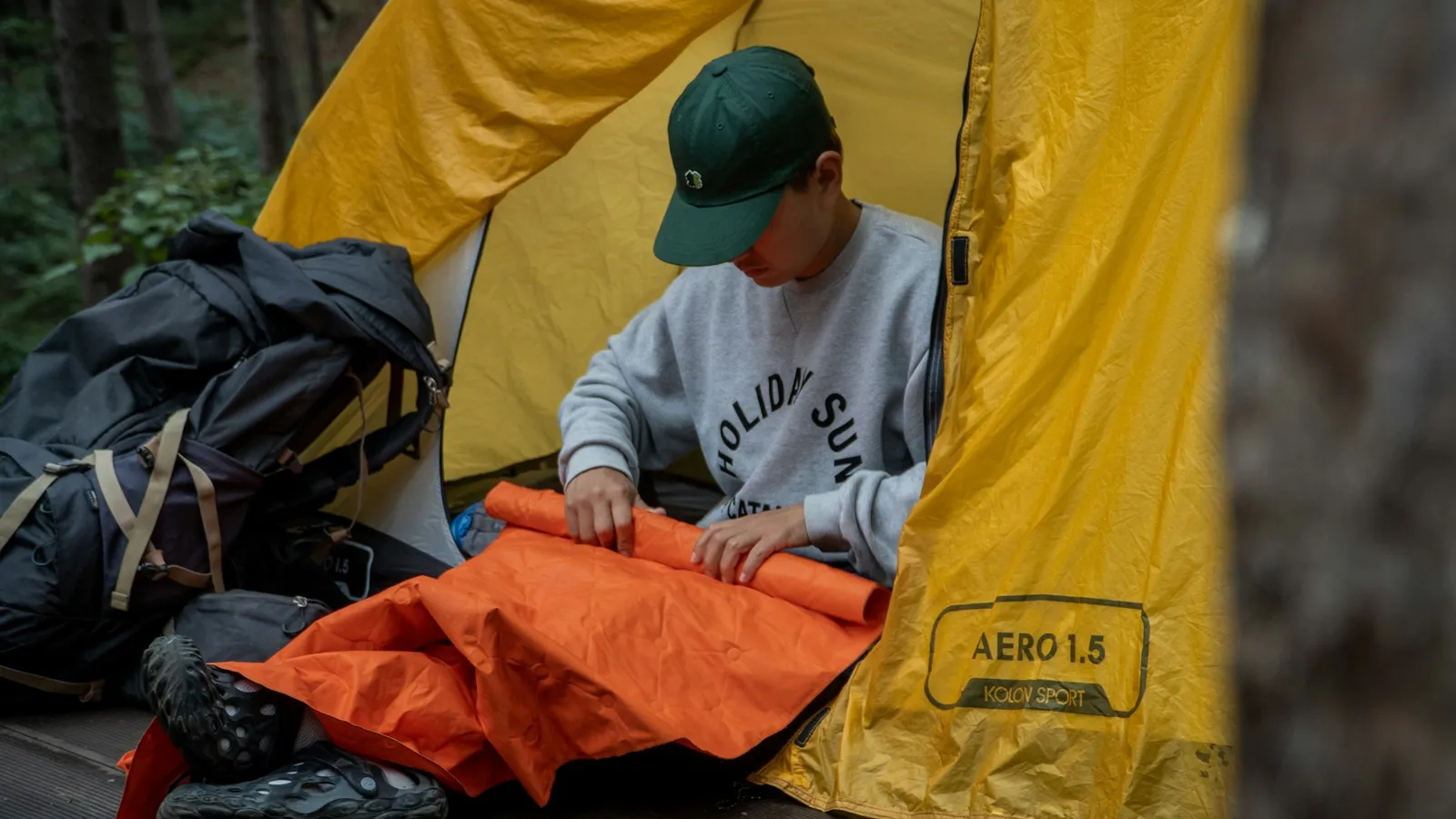
Comfort on the trail comes from thickness, a stable surface and enough warmth to relax. Most pads trade one for another, so the list ranks which ones give the best mix in a pack-friendly size.
Six pads cover insulated air, self-inflating foam and thick foot-pump mats. Ordering reflects how comfortable each should feel at a realistic backpacking weight.
Danny’s Camping field notes
The Campsite Fit Check
A quick way to connect the shortlist to the space, workload and ownership details that matter after the box arrives.
- Start with the job
- Naturehike Ultralight Sleeping Pad with Sidewalls leads this shortlist for Cool-weather comfort seekers. Use that fit as a reference point, then compare the alternatives against your own space and workload.
- Specs that separate the picks
- The first details to compare are 6.5 R-value, 3 inch memory foam, 17.5 oz. Confirm the exact model and included components before ordering.
- Trade-off to plan for
- 20D fabric needs care
The Practical Shortlist
A practical look at 6 options, organized around the job each one suits best.

Best Overall
Naturehike Ultralight Sleeping Pad with Sidewalls
Cool-weather comfort seekers
Our take Check price for Naturehike Ultralight Sleeping Pad with Sidewalls (opens in a new tab)

Best Foam Feel
OGERY Self-Inflating Sleeping Pad
Comfort-first short carries
Our take Check price for OGERY Self-Inflating Sleeping Pad (opens in a new tab)

Best Shaped Pad
Gear Doctors® Ether 17.5oz Ultralight Camping Sleeping Pad
Hiking comfort seekers
Our take Check price for Gear Doctors® Ether 17.5oz Ultralight Camping Sleeping Pad (opens in a new tab)

Best Value Classic
Klymit Static V Lightweight Inflatable Sleeping Pad
Back sleepers who want a classic
Our take Check price for Klymit Static V Lightweight Inflatable Sleeping Pad (opens in a new tab)

Best Thick Air
Overmont Ultralight Camping Sleeping Pad with Pillow and Built-in Foot Pump
Thickness-first backpackers
Our take Check price for Overmont Ultralight Camping Sleeping Pad with Pillow and Built-in Foot Pump (opens in a new tab)

Best Extra Thick
FNARMW Camping Sleeping Pad
Extra-thick comfort campers
Our take Check price for FNARMW Camping Sleeping Pad (opens in a new tab)
Why You Can Trust Danny’s Camping
At Danny’s Camping, we compare products based on campsite fit, verified specifications, usability, setup requirements, weight, durability, and real-world trade-offs. We do not rank products purely on marketing claims or commission rates.
We have not personally tested every product listed. Where hands-on testing is not available, recommendations are based on verified manufacturer specifications, product documentation, use-case fit, and comparative research.
Why Each Pick Made the Cut
Best Overall· 1 of 6
Naturehike Ultralight Sleeping Pad with Sidewalls
Danny’s Take
The warmest, most structured pad here.
Best for
- Cool-weather comfort seekers
Why it made the shortlist
The Naturehike pad has a listed 6.5 R-value, an eight-layer aluminum molded structure and sidewalls. It is made from PFAS-free 20D nylon with TPU and is sold as an ultralight pad.
Compared with the Klymit Static V, it adds sidewalls and much higher insulation. Against the Overmont, it is warmer and lighter.
It suits backpackers who want comfort in cool weather. The sidewalls keep you from rolling off.
Key dimensions & specs
- 6.5 R-value
- Raised sidewalls
- PFAS-free 20D nylon
Pros
- Very high R-value
- Sidewalls stop rolling off
- Reflective multi-layer structure
- Ultralight design
Cons
- 20D fabric needs care
The Catch
The thin 20D shell needs smooth ground.
Best Foam Feel· 2 of 6
OGERY Self-Inflating Sleeping Pad
Danny’s Take
The closest to a real mattress for short hikes.
Best for
- Comfort-first short carries
Why it made the shortlist
The OGERY pad is a self-inflating memory foam mattress 3 inches thick. It has a foot pump, abrasion-resistant nylon and a non-slip base.
Next to the Naturehike, it feels more like a bed and is quieter. Compared with the FNARMW, it is foam-filled rather than all air.
It suits comfort-first campers who do short carries. The foam fill minimizes sound.
Key dimensions & specs
- 3 inch memory foam
- Self-inflating with foot pump
- Non-slip base
Pros
- Soft foam feel
- Quiet to sleep on
- Non-slip base
- Self-inflates with foam
Cons
- Heavier than air pads
- No weight on the listing
The Catch
It packs larger than air pads.
Best Shaped Pad· 3 of 6
Gear Doctors® Ether 17.5oz Ultralight Camping Sleeping Pad
Danny’s Take
The pad that keeps comfort and weight in balance.
Best for
- Hiking comfort seekers
Why it made the shortlist
The Gear Doctors Ether weighs 17.5 oz and uses an ErgoCushion U-shape that varies thickness to cradle you. It packs to 8.6 by 3.1 inches with an anti-leak valve.
Against the Klymit Static V, it shapes the body with U-chambers.
It suits comfort seekers who hike farther. It fills in about 90 seconds with its foot pump.
Key dimensions & specs
- 17.5 oz
- ErgoCushion U-shape
- Anti-leak valve
Pros
- Light for the comfort
- Shaped to cradle
- Packs to bottle size
- Pump sack included
Cons
- 20D fabric is thin
- No R-value listed
The Catch
It needs a smooth tent floor to protect the thin fabric.
Best Value Classic· 4 of 6
Klymit Static V Lightweight Inflatable Sleeping Pad
Danny’s Take
A trusted V-chamber design at a modest price.
Best for
- Back sleepers who want a classic
Why it made the shortlist
The Klymit Static V is a V-chamber air pad that limits air movement and heat loss. It weighs 18.6 oz, packs to 3 by 8 inches and inflates to 72 by 23 by 2.5 inches in 10 to 15 breaths.
It suits comfort seekers who want a trusted shape. The 75D polyester is rugged.
Key dimensions & specs
- 18.6 oz, 3 x 8 inch pack
- V-chamber design
- 72 x 23 x 2.5 inches
Pros
- V-chambers limit air movement
- Rugged 75D polyester
- Small packed size
- 10 to 15 breaths to inflate
Cons
- 2.5 inches is thin for side sleepers
- Inflates by mouth
The Catch
It is thinner than the other air pads here.
Best Thick Air· 5 of 6
Overmont Ultralight Camping Sleeping Pad with Pillow and Built-in Foot Pump
Danny’s Take
The thickest pad that stays under 2 lb.
Best for
- Thickness-first backpackers
Why it made the shortlist
The Overmont pad is 75 by 27.5 by 4.7 inches, weighs 1.98 lb and folds to 9.8 by 4.7 inches. It uses 75D thickened pongee with TPU, a foot pump and a 300 lb capacity.
Against the FNARMW, it is lighter and thinner.
It suits comfort seekers who want thickness and a pillow. The 75D fabric is tough.
Key dimensions & specs
- 4.7 inch thick, 1.98 lb
- 75D pongee with TPU
- 300 lb capacity
Pros
- Very thick at 4.7 inches
- Light for its thickness
- Tough 75D fabric
- Built-in foot pump
Cons
- No R-value listed
- Wide pad needs a roomy tent
The Catch
The 27.5 inch width can crowd a small tent.
Best Extra Thick· 6 of 6
FNARMW Camping Sleeping Pad
Danny’s Take
Maximum cushion for shorter carries.
Best for
- Extra-thick comfort campers
Why it made the shortlist
The FNARMW pad is 5 inches thick with a built-in foot pump that inflates in 60 seconds. It uses 50D nylon with TPU and lists 800 lb capacity.
Compared with the Overmont, it adds another 0.3 inch and a higher stated capacity. Against the OGERY, it is all air and lighter.
It suits campers who want maximum cushion and can carry it. It also works as a floor bed.
Key dimensions & specs
- 5 inch thick
- Foot pump, 60 second fill
- 50D nylon, 800 lb capacity
Pros
- Thickest pad in the list
- Very high stated capacity
- Tough 50D fabric
- Works as a floor bed
Cons
- Heavier than ultralight pads
- No R-value listed
The Catch
Weight is not on the listing, so check pack size before long hikes.
How We Built This Shortlist
Each pick was assessed across 4 criteria weighted for real-world use.
- Thickness
- Compared stated thickness from the 2.5 inch Klymit Static V to the 5 inch FNARMW 5-Inch.
- Insulation
- Looked at R-values like the Naturehike 6.5R.
- Weight and pack size
- Considered stated weights and folded sizes.
- Surface feel
- Noted shaped chambers, sidewalls and foam fills.
What Matters Before You Choose a Backpacking Sleeping Pad For Comfort
Key buying criteria so you get the right fit the first time.
What thickness feels comfortable
Under 2 inches only works for back sleepers, while 3 to 4 inches suits most. Above 4 inches is plush but heavier. Look for thickness in inches on the listing.
Air chambers and stability
Pads with baffles or V chambers limit wobble, but wide single chambers can feel bouncy. Look for sidewalls or shaped chambers if you roll. A stable edge keeps you on the pad.
Insulation for sleeping comfort
A cold pad ruins sleep even with a thick cushion. R-value of 3 or more suits cool weather. Look for the number, not just warm.
Noise
Some pads crinkle when you shift. Foam-filled and brushed fabric designs are quieter. Read the surface description on the listing.
Weight you will tolerate
Comfort adds weight, so decide what you will carry before you shop. A pad around 2 lb is a typical limit for hikers. Check the stated weight and packed dimensions.
Match a Backpacking Sleeping Pad For Comfort to Your Camp Setup
By Comfort Priority
| Your situation | Recommended pick | Why |
|---|---|---|
| Warm and stable | Naturehike 6.5R | 6.5 R-value and sidewalls. |
| Mattress feel | OGERY Memory Foam | 3 inch memory foam. |
| Lightest comfort | Gear Doctors Ether | 17.5 oz and U-shaped. |
| Classic and cheap | Klymit Static V | V-chamber, 18.6 oz. |
| Thick but light | Overmont 4.7-Inch | 4.7 inches at 1.98 lb. |
| Most cushion | FNARMW 5-Inch | 5 inches thick. |
Scroll sideways to see every column.
By Budget
| Budget | Recommended pick |
|---|---|
| $20 to $30 | Overmont 4.7-Inch or FNARMW 5-Inch |
| $30 to $50 | Gear Doctors Ether or Klymit Static V |
| $50 to $60 | Naturehike 6.5R or OGERY Memory Foam |
Foam-Filled vs All Air
- Foam-filled
- Foam gives a soft, quiet feel. The OGERY Memory Foam is the foam pick.
- All air
- All-air pads save weight and pack small. The Naturehike 6.5R, Gear Doctors Ether, Klymit Static V, Overmont 4.7-Inch and FNARMW 5-Inch are air.
Choose the OGERY Memory Foam for feel and the Overmont 4.7-Inch when weight matters.
By Budget
| Pick | Recommended pick |
|---|---|
| Lowest | Overmont 4.7-Inch |
| Low, extra thick | FNARMW 5-Inch |
| Mid, shaped | Gear Doctors Ether |
| Mid, classic | Klymit Static V |
| Top, insulated | Naturehike 6.5R |
For Cold-Night Comfort Specifically
- Look for
- An R-value of 4 or more and sidewalls
- In this comparison
- The Naturehike 6.5R lists a 6.5 R-value and sidewalls, so it is the best option for cold comfort.
When to Spend More
- Spend more if
- Spend more on the Naturehike 6.5R when cold nights are likely.
- Save if
- Save with the Overmont 4.7-Inch or FNARMW 5-Inch, which are thick and cost less.
Before You Bring One Home
What makes a pad comfortable?
Thickness, stability and warmth. The FNARMW 5-Inch gives thickness, and the Naturehike 6.5R adds warmth. Choose by your sleeping position.
What mistake do people make?
Buying the thickest pad and ignoring weight. A heavy pad gets left home. Choose a weight you will carry.
Is the Naturehike worth the extra cost?
If you camp in cool weather, yes. Its listed 6.5 R-value and sidewalls help. For warm nights the Overmont 4.7-Inch is cheaper.
How do I set up a thick pad?
Inflate to firm, lie down and let a little air out. Place it on a flat spot. Check for leaks before you go.
How do I care for these pads?
Wipe them clean and dry them fully. Store air pads loosely rolled with the valve open. Keep sharp objects away.
Bottom Line
Best overall: Naturehike Ultralight Sleeping Pad with Sidewalls — best overall pick in this roundup. See the full verdicts above for every pick, with pros, cons and who each one suits.
Browse all backpacking sleeping pads for comfort on Amazon — Prime-eligible options with current pricing.
Related Guides

About the author
Danny Walker
Founder & Lead Editor at Danny’s Camping
Danny covers camping gear, campsite setup, outdoor power, sleep systems, and practical camping advice, with a focus on helping campers make better gear decisions.