
Buying Guide
2 Best Backpacking Sleeping Bags Under 200 in 2026: A Practical Camping Guide
Best backpacking sleeping bags under $200: two mild-weather picks compared on stated range, weight and shell, with what a $200 ceiling really buys here.

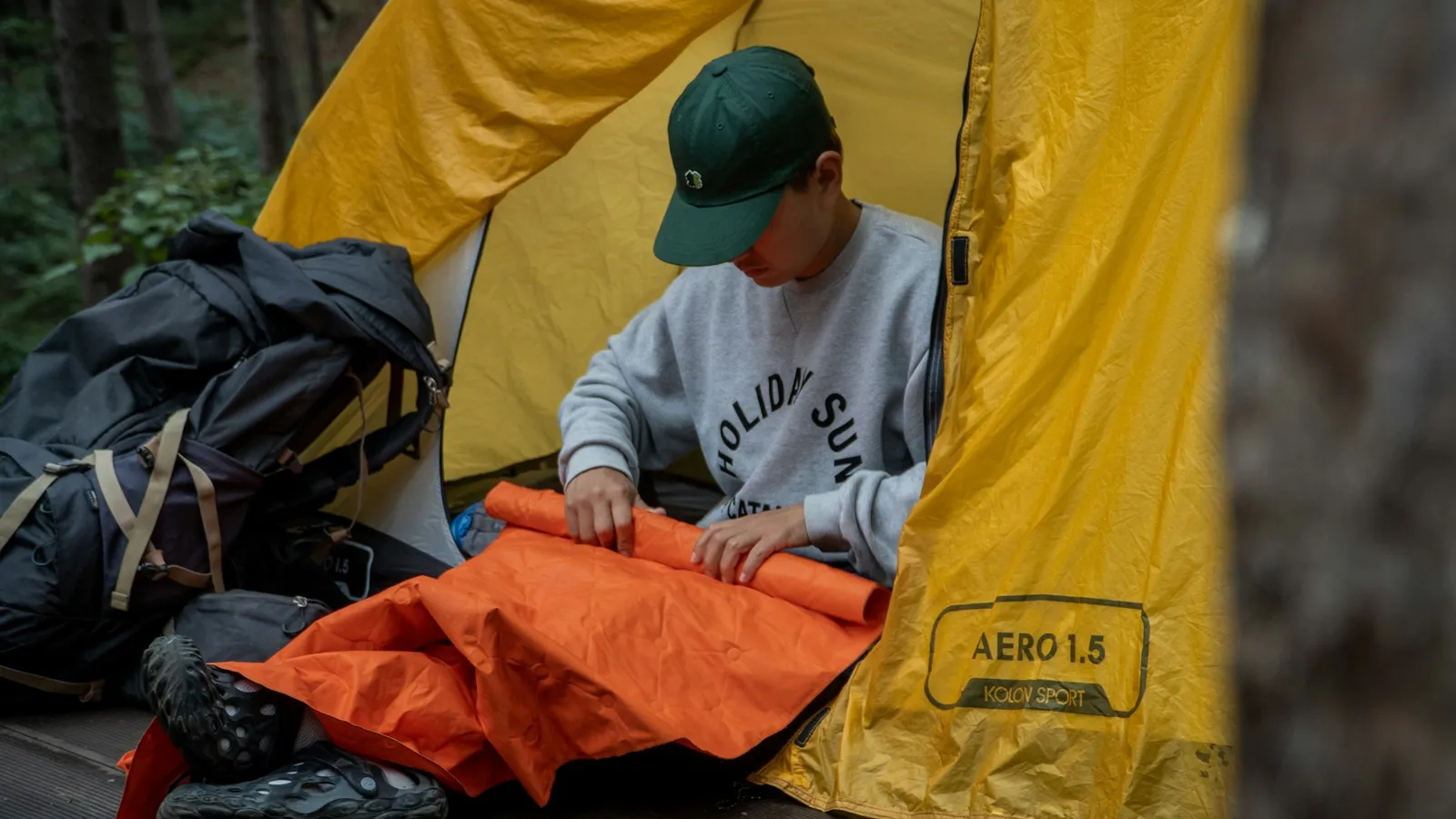
A $200 ceiling is generous for a backpacking bag, yet very few listings that match this need turn up on Amazon at the top of that budget. Only two bags qualify as genuine fits here, and both land far below the cap, so you can spend the leftover on a pad or a liner.
Both are three-season bags rated for mild nights, not winter. Treat this page as a short list for spring-to-fall hiking, and read the temperature figures before you assume anything colder.
Danny’s Camping field notes
The Campsite Fit Check
A quick way to connect the shortlist to the space, workload and ownership details that matter after the box arrives.
- Start with the job
- Naturehike Lightweight Compact Sleeping Bag leads this shortlist for Warm-season hikers. Use that fit as a reference point, then compare the alternatives against your own space and workload.
- Specs that separate the picks
- The first details to compare are 1.68 lb, compressible, Mummy, 46F to 59F rated. Confirm the exact model and included components before ordering.
- Trade-off to plan for
- Envelope shape sheds heat in cold
The Practical Shortlist
A practical look at 2 options, organized around the job each one suits best.

Best Overall
Naturehike Lightweight Compact Sleeping Bag
Warm-season hikers
Our take Check price for Naturehike Lightweight Compact Sleeping Bag (opens in a new tab)

Best Rugged Mummy
OneTigris Bushcrafter’s Sleeping Bags
Bushcraft and shoulder seasons
Our take Check price for OneTigris Bushcrafter’s Sleeping Bags (opens in a new tab)
| Pick | Best for | Key spec | Price |
|---|---|---|---|
| Warm-season hikers | 1.68 lb, compressible | Check price for Naturehike Lightweight Compact Sleeping Bag (opens in a new tab) |
| Bushcraft and shoulder seasons | Mummy, 46F to 59F rated | Check price for OneTigris Bushcrafter’s Sleeping Bags (opens in a new tab) |
Why You Can Trust Danny’s Camping
At Danny’s Camping, we compare products based on campsite fit, verified specifications, usability, setup requirements, weight, durability, and real-world trade-offs. We do not rank products purely on marketing claims or commission rates.
We have not personally tested every product listed. Where hands-on testing is not available, recommendations are based on verified manufacturer specifications, product documentation, use-case fit, and comparative research.
Why Each Pick Made the Cut
Best Overall· 1 of 2
Naturehike Lightweight Compact Sleeping Bag
Danny’s Take
The light, roomy pick for warm to cool nights.
Best for
- Warm-season hikers
Why it made the shortlist
The Naturehike envelope bag weighs 1.68 lb and packs into a compression sack. It measures 80.7 by 33.5 inches and uses an 80 gram per square meter synthetic silk-cotton fill, with listed ratings of 59F and 32F.
Of the two, it is lighter and wider, which is why it takes the top spot for most hikers.
It suits warm-season hikers and bikepackers who want to carry under two pounds. A compression sack is included for packing.
Key dimensions & specs
- 1.68 lb, compressible
- 80.7 by 33.5 inch envelope
- Listed 59F and 32F ratings
Pros
- Under two pounds in weight
- Roomy cut for restless sleepers
- Compression sack for packing
- Lists a figure down to 32F
Cons
- Envelope shape sheds heat in cold
The Catch
Treat 59F as the comfortable end and bring layers below about 45F.
Best Rugged Mummy· 2 of 2
OneTigris Bushcrafter’s Sleeping Bags
Danny’s Take
A tough mummy for hikers who are rough on gear.
Best for
- Bushcraft and shoulder seasons
Why it made the shortlist
The OneTigris Bushcrafter's is a mummy for spring, summer and fall nights, with a range of about 46 to 59F. It uses a 300T pongee shell, a 190T lining, 7 oz of polycotton fill, YKK anti-snag zippers and a cord-stopped hood.
Next to the Naturehike Envelope it trades weight for a sturdier shell and a tapered cut that keeps heat closer to the body. The zippers and hood are better finished than most listings at this price.
It suits campers who want a rugged bag for bushcraft and shoulder-season trips. The water-repellent shell handles damp ground.
Key dimensions & specs
- Mummy, 46F to 59F rated
- 300T shell, YKK zippers
- Cord-stopped hood
Pros
- Sturdy 300T shell
- Anti-snag YKK zippers
- Cord-stopped hood seals in heat
- Water-repellent shell
Cons
- Rated for mild nights only
- Polycotton fill is heavier than synthetic
The Catch
Its range means it is not a winter bag.
How We Built This Shortlist
Each pick was assessed across 5 criteria weighted for real-world use.
- Stated range
- We compared the temperature figures on each page and marked which are comfort numbers.
- Carry weight
- We looked at listed weights and fill types, since backpackers feel every pound.
- Build quality
- We compared shell denier, zipper brand and hood details.
- Fit
- We compared length, width and cut for different body types.
- Budget fit
- We weighed what each bag offers against the $200 ceiling.
What Matters Before You Choose a Backpacking Sleeping Bag Under 200
Key buying criteria so you get the right fit the first time.
What $200 really buys
For the same money you can find mid-tier synthetic or entry-level down bags in specialty stores. Amazon listings tend to cluster far below $100, so a $200 ceiling mostly lets you pick on build and rating rather than price. Check whether the extra budget is better spent on a pad.
Read the temperature numbers
A bag labeled 3-season may list a comfort figure above 45F. The Naturehike Envelope lists 59F and 32F, which usually mean comfort and limit. Read both numbers and decide which night you are shopping for.
Fill type and weight
Polycotton fill, as in the OneTigris Bushcrafter, is cheaper and tougher but heavier than synthetic fill. Weight on the Naturehike Envelope is listed at 1.68 lb, while the OneTigris listing prints no weight. Look for a printed weight before you commit.
Shape and heat
Mummy bags use less fabric around the body and hold heat better. Envelope bags give room but let heat escape at the shoulders. Pick shape by the coldest night you plan to see.
Zipper and hood quality
A snagging zipper ruins a cold night. YKK zippers and a cord-stopped hood, as on the OneTigris Bushcrafter, are signs of finish work. Check the listing for zipper brand and hood description.
Pad pairing
Sleeping bag insulation compresses under your body, so the pad does most of the work from below. A pad with a stated R-value adds more warmth than a pricier bag. Leave some budget for it.
Match a Backpacking Sleeping Bag Under 200 to Your Camp Setup
By Season
| Your situation | Recommended pick | Why |
|---|---|---|
| Summer and warm shoulder nights | Naturehike Envelope | 1.68 lb with a 59F listed figure |
| Spring and fall nights near 46F | OneTigris Bushcrafter | 46 to 59F mummy with a 300T shell |
| Restless sleeper wanting space | Naturehike Envelope | 80.7 by 33.5 inch rectangular cut |
| Rough use around a campfire | OneTigris Bushcrafter | Water-repellent 300T shell and YKK zippers |
Scroll sideways to see every column.
By Budget
| Budget | Recommended pick |
|---|---|
| $30 to $40 | Naturehike Envelope |
| $50 to $60 | OneTigris Bushcrafter |
Envelope vs Mummy
- Envelope
- The Naturehike Envelope gives room and weighs 1.68 lb. It leaks heat from the shoulders on cold nights.
- Mummy
- The OneTigris Bushcrafter tapers to hold heat and has a hood that cinches. It carries more weight because of its polycotton fill.
Choose the Naturehike Envelope for light, warm-season hikes, and the OneTigris Bushcrafter for cooler nights.
By Budget Left Over
| Preference | Recommended pick |
|---|---|
| Spend the least, keep most for a pad | Naturehike Envelope |
| Spend a little more for durability | OneTigris Bushcrafter |
Spring and Fall Hiking Specifically
- Look for
- Look for a stated figure at or below 45F, a hood and a sturdy zipper.
- In this comparison
- The OneTigris Bushcrafter lists 46 to 59F with a cord-stopped hood and YKK zippers, while the Naturehike Envelope lists 32F as a limit-style number.
When to Spend More
- Spend more if
- Spend more on the OneTigris Bushcrafter if your trips run into cool autumn nights and you want a hood and a tougher shell.
- Save if
- Save with the Naturehike Envelope if you hike in warm weather and want to keep your pack under two pounds for the bag.
Before You Bring One Home
Is a $200 backpacking bag a good idea?
A $200 budget can buy better bags than these two, but the listings found here are modest. These two fit warm-weather and shoulder-season trips and leave money for a pad.
What is a common mistake with mild-weather bags?
Assuming the 32F figure is comfortable. The Naturehike Envelope lists 59F and 32F, so treat 59F as the comfortable end and add layers lower.
Is the OneTigris Bushcrafter worth it over the Naturehike Envelope?
If you want a mummy cut, YKK zippers and a rugged shell, yes. The Naturehike Envelope is lighter and roomier, and it costs less.
How should I pack either bag?
Use the included sack and stuff the bag in without folding. Keep it in a dry bag in the pack's lower section.
How do I extend either bag's range?
Add a liner, sleep in base layers and use a pad with a stated R-value. These steps add a few degrees but do not turn a mild bag into a winter one.
Bottom Line
Best overall: Naturehike Lightweight Compact Sleeping Bag — best overall pick in this roundup. See the full verdicts above for every pick, with pros, cons and who each one suits.
Browse all backpacking sleeping bags under 200 on Amazon — Prime-eligible options with current pricing.
Related Guides

About the author
Danny Walker
Founder & Lead Editor at Danny’s Camping
Danny covers camping gear, campsite setup, outdoor power, sleep systems, and practical camping advice, with a focus on helping campers make better gear decisions.