
Buying Guide
4 Best Womens Hiking Shoes For Plantar Fasciitis in 2026: A Practical Camping Guide
Best women's hiking shoes for plantar fasciitis: three orthopedic hiking shoes plus a high-cushion trail runner, compared on arch support and toe room.

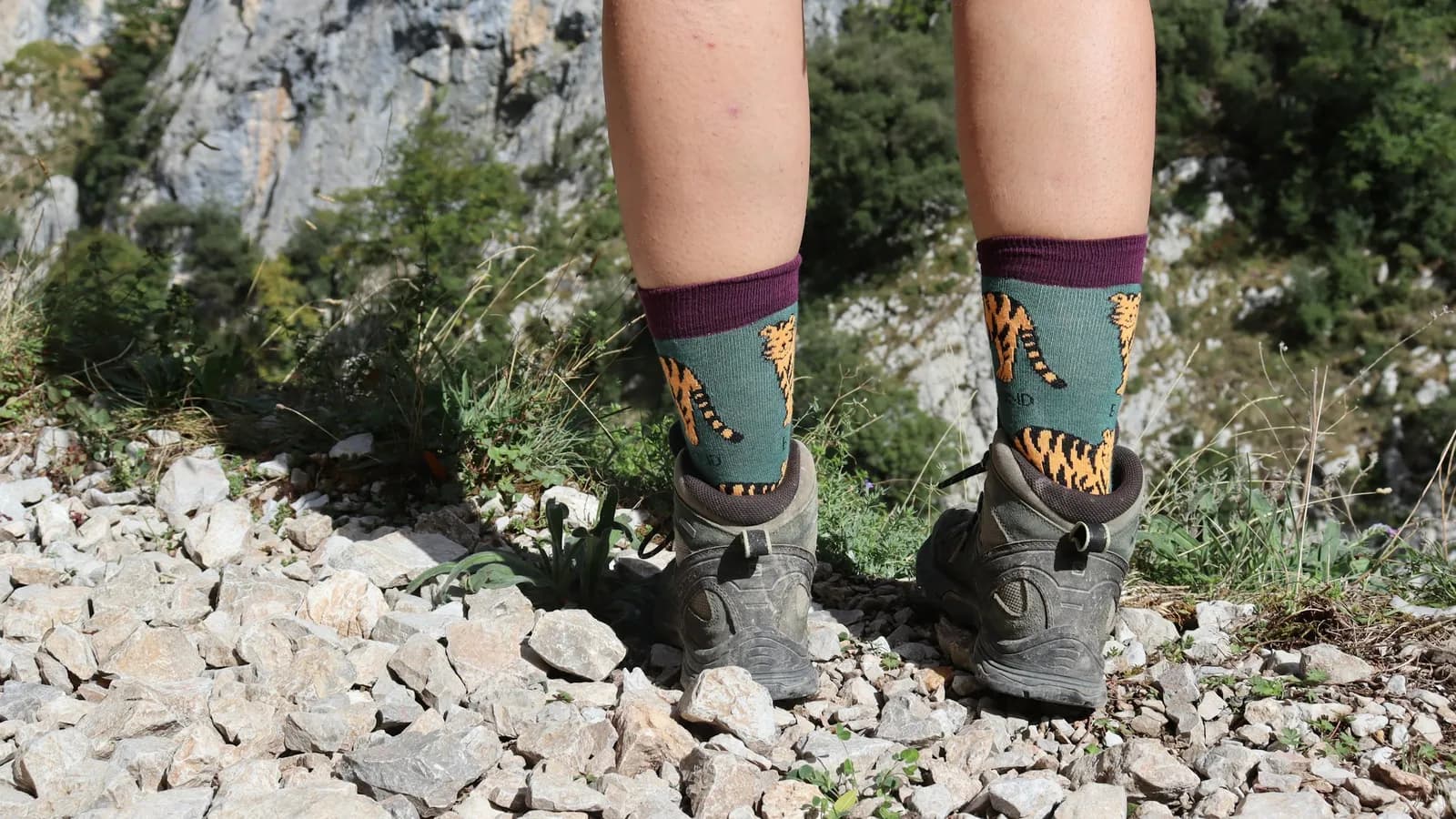
Low-cut hiking shoes are lighter than boots, but they put more demand on the footbed, because there is no tall shaft to share the load. For plantar fasciitis, the arch support, heel cushioning and forefoot room are the three things to judge.
Three women's shoes name plantar fasciitis in their listings: the Orthofeet Bristol and two OrthoComfoot designs. A fourth pick, the Brooks Caldera 8, is a plush trail runner without a plantar fasciitis claim, included for cushion-first buyers.
Danny’s Camping field notes
The Campsite Fit Check
A quick way to connect the shortlist to the space, workload and ownership details that matter after the box arrives.
- Start with the job
- Orthofeet Bristol Orthopedic Women's Hiking Shoes leads this shortlist for Trail days with arch pain. Use that fit as a reference point, then compare the alternatives against your own space and workload.
- Specs that separate the picks
- The first details to compare are Orthotic insole, arch booster, Wide fit, contoured arch support, Wide toe box, arch support. Confirm the exact model and included components before ordering.
- Trade-off to plan for
- Priciest of the three orthopedic picks
The Practical Shortlist
A practical look at 4 options, organized around the job each one suits best.

Best Overall
Orthofeet Bristol Orthopedic Women's Hiking Shoes
Trail days with arch pain
Our take Check price for Orthofeet Bristol Orthopedic Women's Hiking Shoes (opens in a new tab)

Best Wide Fit
Women's Orthopedic Wide Trekking Hiking Shoes
Wide or sensitive feet
Our take Check price for Women's Orthopedic Wide Trekking Hiking Shoes (opens in a new tab)

Best Breathable Pick
Women's Orthopedic Wide Toe Box Outdoor Hiking Sneakers
Warm-weather hikes and daily wear
Our take Check price for Women's Orthopedic Wide Toe Box Outdoor Hiking Sneakers (opens in a new tab)

Best High-Cushion Option
Brooks Women’s Caldera 8 Ultra Trail Running Shoe
Soft cushion for long trail miles
Our take Check price for Brooks Women’s Caldera 8 Ultra Trail Running Shoe (opens in a new tab)
| Pick | Best for | Key spec | Price |
|---|---|---|---|
| Trail days with arch pain | Orthotic insole, arch booster | Check price for Orthofeet Bristol Orthopedic Women's Hiking Shoes (opens in a new tab) |
| Wide or sensitive feet | Wide fit, contoured arch support | Check price for Women's Orthopedic Wide Trekking Hiking Shoes (opens in a new tab) |
| Warm-weather hikes and daily wear | Wide toe box, arch support | Check price for Women's Orthopedic Wide Toe Box Outdoor Hiking Sneakers (opens in a new tab) |
| Soft cushion for long trail miles | DNA Loft v3 high-stack cushioning | Check price for Brooks Women’s Caldera 8 Ultra Trail Running Shoe (opens in a new tab) |
Why You Can Trust Danny’s Camping
At Danny’s Camping, we compare products based on campsite fit, verified specifications, usability, setup requirements, weight, durability, and real-world trade-offs. We do not rank products purely on marketing claims or commission rates.
We have not personally tested every product listed. Where hands-on testing is not available, recommendations are based on verified manufacturer specifications, product documentation, use-case fit, and comparative research.
Why Each Pick Made the Cut
Best Overall· 1 of 4
Orthofeet Bristol Orthopedic Women's Hiking Shoes
Danny’s Take
The most complete orthopedic hiking shoe in the list. Insole and booster are included.
Best for
- Trail days with arch pain
Why it made the shortlist
The listing names plantar fasciitis, heel pain, bunions and hammer toes among more than 20 conditions it is built to ease.
Next to the OrthoComfoot Mesh Sneaker, it has a true-to-size fit, a padded fabric interior and a trail-ready outsole.
It suits a woman who wants a low-cut hiking shoe with orthotic support for trails, travel and long days. The wide toe box removes pressure on the forefoot.
Key dimensions & specs
- Orthotic insole, arch booster
- Rugged lug sole
- True to size, wide toe box
Pros
- Arch booster included
- Names plantar fasciitis and bunions
- Lug sole grips trails
- Padded interior reduces irritation
Cons
- Priciest of the three orthopedic picks
The Catch
It costs noticeably more than the two OrthoComfoot shoes.
Best Wide Fit· 2 of 4
Women's Orthopedic Wide Trekking Hiking Shoes
Danny’s Take
A solid mid-price pick for wide feet. The lining is built for sensitive skin.
Best for
- Wide or sensitive feet
Why it made the shortlist
The OrthoComfoot Trekking shoe has a roomy wide construction, a contoured orthopedic arch support and a diabetic-friendly soft lining. The listing names plantar fasciitis, hammer toes, high arches and neuropathy, and adds a thick shock-absorbing midsole and a durable textured rubber outsole.
It has the widest-sounding fit in the group and the softest lining, which makes it the better choice than the OrthoComfoot Mesh Sneaker for swollen or sensitive feet. It costs less than the Orthofeet Bristol.
It suits a woman with wide, swollen or sensitive feet who wants a supportive trail shoe. The midsole is described as absorbing impact on feet, ankles and knees.
Key dimensions & specs
- Wide fit, contoured arch support
- Soft non-irritating lining
- Shock-absorbing midsole
Pros
- Wide fit for swollen feet
- Soft lining reduces friction
- Contoured arch support
- Textured rubber outsole grips
Cons
- No waterproof claim
- Less trail-specific than the Bristol
The Catch
The listing mentions trails and pavement, so it is lighter duty than a lug-sole shoe.
Best Breathable Pick· 3 of 4
Women's Orthopedic Wide Toe Box Outdoor Hiking Sneakers
Danny’s Take
A cool, light option for dry trails and daily use. Not for wet ground.
Best for
- Warm-weather hikes and daily wear
Why it made the shortlist
The OrthoComfoot Mesh Sneaker is a women's orthopedic hiking sneaker with a wide toe box, an ergonomic arch support structure and a breathable mesh upper. The textured rubber outsole grips wet roads, gravel and uneven terrain, and the listing names plantar fasciitis and heel pain.
It is more breathable than the OrthoComfoot Trekking, and its lightweight mesh builds suit warm weather. It lists trail running, hiking and everyday work as uses.
It suits a woman who walks on mixed surfaces and wants one orthopedic sneaker for hikes and daily wear. The cushioned midsole absorbs walking impact.
Key dimensions & specs
- Wide toe box, arch support
- Breathable mesh upper
- Textured non-slip rubber outsole
Pros
- Mesh keeps feet cool
- Wide toe box for swollen feet
- Names plantar fasciitis directly
- Light for long walking days
Cons
- Mesh upper is not waterproof
- Casual look, less trail armor
The Catch
A mesh upper offers little protection from rain or sharp rocks.
Best High-Cushion Option· 4 of 4
Brooks Women’s Caldera 8 Ultra Trail Running Shoe
Danny’s Take
A cushion-first option if you will add your own insole. Not an orthopedic shoe.
Best for
- Soft cushion for long trail miles
Why it made the shortlist
The Brooks Caldera 8 is a women's ultra trail running shoe with DNA Loft v3 cushioning stacked high for softness over rough ground. It has raised sidewalls for security and flexibility, a widened base and added flex grooves for stable landings.
It has far more cushioning than the Orthofeet Bristol or the OrthoComfoot pair, and a more athletic, running-oriented feel.
It suits a woman who wants soft, high-stack cushioning for long trail miles and may add her own insole. The upper is built to resist scratching and snagging.
Key dimensions & specs
- DNA Loft v3 high-stack cushioning
- Raised sidewalls, widened base
- Breathable scratch-resistant upper
Pros
- Plush high-stack cushioning
- Widened base stabilizes landings
- Raised sidewalls add security
- Breathable air mesh upper
Cons
- No plantar fasciitis or orthotic claim
- Running-shoe fit, not a hiking boot shape
The Catch
No plantar fasciitis claim appears on the listing, so this suits cushion seekers only.
How We Built This Shortlist
Each pick was assessed across 5 criteria weighted for real-world use.
- Orthopedic claims
- Only shoes whose listings name plantar fasciitis were counted as direct fits.
- Arch and heel support
- Insoles, arch boosters and contoured supports were compared.
- Toe room
- Wide toe boxes and wide constructions were compared with athletic lasts.
- Cushioning
- Midsoles and high-stack foams were weighed for impact on rough ground.
- Traction and upper
- Lug soles, textured rubber and mesh vs coated uppers were noted.
What Matters Before You Choose a Womens Hiking Shoe For Plantar Fasciitis
Key buying criteria so you get the right fit the first time.
Arch support in the insole
The insole is the part that supports the arch, so its contour matters more than outsole branding. A contoured orthotic or arch booster spreads weight across the foot. Look for arch support and orthotic insole wording in the listing.
Forefoot room
Plantar fasciitis often comes with swelling or bunions, and a tight forefoot makes the foot grip. A wide toe box lets toes spread and takes pressure off the arch. Check for wide toe box or wide construction wording.
Heel cushioning
Your heel meets the ground first on every downhill step. A cushioned heel and thick midsole absorb that shock before it reaches your arch. Look for midsole material and thickness in the listing.
Outsole traction
Slippery footing makes you tense up and strain the arch. Lugs or textured rubber help on mud, gravel and wet roads. Check the outsole description for lug or textured wording.
Upper and weather
A mesh upper breathes well in warm weather but gives no protection in rain. Orthopedic shoes with soft linings feel better on sensitive feet. Match the upper to your climate.
Removable insole
If you already use a custom orthotic, a removable insole lets you swap it. A fixed insole traps you in the shoe design. Check for removable insole wording.
Match a Womens Hiking Shoe For Plantar Fasciitis to Your Camp Setup
By Foot Need
| Your situation | Recommended pick | Why |
|---|---|---|
| Orthotic insole and booster | Orthofeet Bristol | Premium insole and arch booster in the box. |
| Wide or swollen feet | OrthoComfoot Trekking | Wide construction and a soft lining. |
| Warm-weather walking | OrthoComfoot Mesh Sneaker | Breathable mesh upper with arch support. |
| Soft cushion for long miles | Brooks Caldera 8 | DNA Loft v3 high-stack cushioning. |
Scroll sideways to see every column.
By Budget
| Budget | Recommended pick |
|---|---|
| $50 to $70 | OrthoComfoot Trekking or OrthoComfoot Mesh Sneaker |
| $80 to $100 | Brooks Caldera 8 or Orthofeet Bristol |
Orthopedic Support vs Plush Cushion
- Orthopedic support
- Orthofeet Bristol, OrthoComfoot Trekking and OrthoComfoot Mesh Sneaker list arch support systems and wide toe boxes. They suit a foot that needs a firm structure.
- Plush cushion
- Brooks Caldera 8 uses soft, high-stack foam instead of an arch system. It suits a runner-type walker who prefers a soft ride.
Most plantar fasciitis walkers should start with Orthofeet Bristol or OrthoComfoot Trekking, and try Brooks Caldera 8 only if firm support feels harsh.
By Weather
| Weather | Recommended pick |
|---|---|
| Dry, warm hikes | OrthoComfoot Mesh Sneaker |
| Mixed trails and pavement | OrthoComfoot Trekking |
| Rocky wet ground | Orthofeet Bristol |
| Long ultra days | Brooks Caldera 8 |
Wide Swollen Feet Specifically
- Look for
- a wide fit, a soft non-irritating lining and arch support that does not squeeze
- In this comparison
- OrthoComfoot Trekking lists a diabetic-friendly soft lining and a roomy wide construction, and OrthoComfoot Mesh Sneaker lists a wide toe box too.
When to Spend More
- Spend more if
- Spend more if you hike trails often, where Orthofeet Bristol adds a lug sole and an arch booster over OrthoComfoot Trekking. The extra pays off on rocky ground.
- Save if
- Save if your hikes are on paths and pavement, since OrthoComfoot Trekking and OrthoComfoot Mesh Sneaker cost less and still name plantar fasciitis. Brooks Caldera 8 is only worth it if cushion is your priority.
Before You Bring One Home
Do hiking shoes need arch support for plantar fasciitis?
Many people find arch support relieves strain, while others prefer cushioning. The listings describe support, not a cure. See a healthcare provider if pain persists.
What mistake should I avoid when buying orthopedic hiking shoes?
Buying a wide fit that is also too long. Extra length causes heel slip and defeats the arch support. Choose by width, then confirm the heel is held.
Is Orthofeet Bristol worth more than OrthoComfoot Trekking?
If you hike rugged trails, yes, because the Bristol lists a lug sole and an arch booster. OrthoComfoot Trekking is better for wide, sensitive feet at a lower price.
How do I break in orthopedic hiking shoes?
Wear them for a couple of hours at home, then go for short walks. Orthotic insoles need time to settle. Increase distance gradually.
Can I replace the insole in these shoes?
Many insoles are removable, but check the shoe depth first. A thicker insert can make a snug shoe too tight. Try on with your socks and insert.
Bottom Line
Best overall: Orthofeet Bristol Orthopedic Women's Hiking Shoes — best overall pick in this roundup. See the full verdicts above for every pick, with pros, cons and who each one suits.
Browse all womens hiking shoes for plantar fasciitis on Amazon — Prime-eligible options with current pricing.
Related Guides

About the author
Danny Walker
Founder & Lead Editor at Danny’s Camping
Danny covers camping gear, campsite setup, outdoor power, sleep systems, and practical camping advice, with a focus on helping campers make better gear decisions.