
Buying Guide
4 Best Winter Hiking Boots For Plantar Fasciitis in 2026: A Practical Camping Guide
Best winter hiking boots for plantar fasciitis: four insulated boots with orthopedic arch support or barefoot-style wide toe boxes, compared by fit.

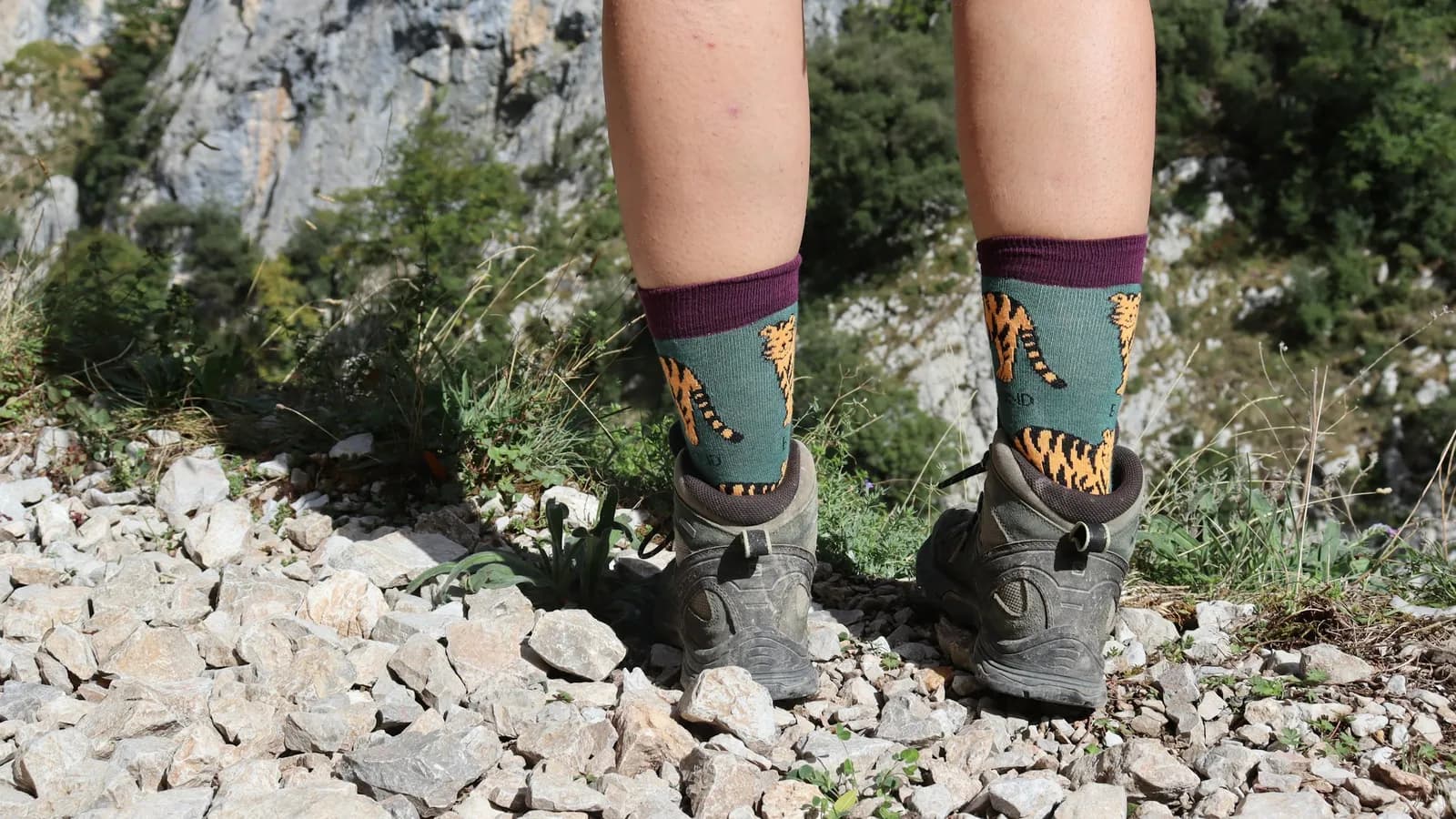
Plantar fasciitis in winter adds a second problem: bulky insulated boots often squeeze the forefoot and flatten the arch you need supported. The boots here pair cold-weather linings with listed arch support or a roomy, flexible sole.
Only boots whose listings mention plantar fasciitis made the cut, which left four. Two are orthopedic women's boots with arch support and wide fits, and two are barefoot-style boots from Hike Footwear that argue for a natural gait instead of a supported arch.
Danny’s Camping field notes
The Campsite Fit Check
A quick way to connect the shortlist to the space, workload and ownership details that matter after the box arrives.
- Start with the job
- Women's Orthopedic Diabetic Wide Leather Winter Ankle Boots: Comfortable Plantar Fasciitis Swollen Bunions Rec leads this shortlist for Snowy walks with arch pain. Use that fit as a reference point, then compare the alternatives against your own space and workload.
- Specs that separate the picks
- The first details to compare are Orthopedic arch support, Waterproof, thermal insulation, Waterproof winter barefoot boot. Confirm the exact model and included components before ordering.
- Trade-off to plan for
- Casual ankle-boot style, not a trail boot
The Practical Shortlist
A practical look at 4 options, organized around the job each one suits best.

Best Value Orthopedic
Women's Orthopedic Diabetic Wide Leather Winter Ankle Boots: Comfortable Plantar Fasciitis Swollen Bunions Rec
Snowy walks with arch pain
Our take Check price for Women's Orthopedic Diabetic Wide Leather Winter Ankle Boots: Comfortable Plantar Fasciitis Swollen Bunions Rec (opens in a new tab)

Best Overall
Women's Orthopedic Winter Wide Breathable Hiking Boots: Comfortable Plantar Fasciitis Arch Support Orthotic Fo
Snowy trails with arch pain
Our take Check price for Women's Orthopedic Winter Wide Breathable Hiking Boots: Comfortable Plantar Fasciitis Arch Support Orthotic Fo (opens in a new tab)

Best Barefoot Pick
Hike Footwear Caspar Pro Waterproof Winter Barefoot Boots
Natural-gait winter walking
Our take Check price for Hike Footwear Caspar Pro Waterproof Winter Barefoot Boots (opens in a new tab)
Best Barefoot Value
Hike Footwear Caspar Pro Winter Barefoot Boots
Dry winter walking
Our take Check price for Hike Footwear Caspar Pro Winter Barefoot Boots (opens in a new tab)
Why You Can Trust Danny’s Camping
At Danny’s Camping, we compare products based on campsite fit, verified specifications, usability, setup requirements, weight, durability, and real-world trade-offs. We do not rank products purely on marketing claims or commission rates.
We have not personally tested every product listed. Where hands-on testing is not available, recommendations are based on verified manufacturer specifications, product documentation, use-case fit, and comparative research.
Why Each Pick Made the Cut
Best Value Orthopedic· 1 of 4
Women's Orthopedic Diabetic Wide Leather Winter Ankle Boots: Comfortable Plantar Fasciitis Swollen Bunions Rec
Danny’s Take
The budget route to arch support in cold weather. Leather and a thermal lining do the warming.
Best for
- Snowy walks with arch pain
Why it made the shortlist
The OrthoComfoot Leather Ankle boot is a women's orthopedic winter ankle boot with insulated leather, a thermal lining and a high-density cushioned insole. The listing names plantar fasciitis, flat feet and heel pain, and adds a wide toe box and deep-tread rubber outsole for icy and wet surfaces.
Compared with the Hike Footwear boots, it gives a structured footbed instead of a flat zero-drop platform.
It suits a woman who needs arch support and a roomy toe box for snowy walks and short trail days. The leather upper also cleans easily.
Key dimensions & specs
- Orthopedic arch support
- Insulated leather, thermal lining
- Deep-tread rubber outsole
Pros
- Names plantar fasciitis and flat feet
- Wide toe box for swollen feet
- High-density cushioned insole
- Deep tread for icy surfaces
Cons
- Casual ankle-boot style, not a trail boot
- No waterproof claim is listed
The Catch
The listing does not mention waterproofing, so slushy trails are a risk.
Best Overall· 2 of 4
Women's Orthopedic Winter Wide Breathable Hiking Boots: Comfortable Plantar Fasciitis Arch Support Orthotic Fo
Danny’s Take
Pick it when you want warmth, waterproofing and orthotic support in one boot. It carries the premium.
Best for
- Snowy trails with arch pain
Why it made the shortlist
The OrthoComfoot Winter Wide boot is a women's orthopedic hiking boot with a wide-width fit, thermal insulation and a waterproof exterior with a plush lining. The listing cites advanced orthotic support for plantar fasciitis and diabetic foot care, plus an ergonomic insole and a rugged non-slip rubber outsole.
Next to the OrthoComfoot Leather Ankle, it adds the waterproof shell and a mid-height shaft that steadies the ankle.
It suits a woman with plantar fasciitis who wants one boot for snowy trails, travel and town. The wide fit also accommodates swelling and bunions.
Key dimensions & specs
- Waterproof, thermal insulation
- Orthotic arch and heel support
- Wide fit, non-slip outsole
Pros
- Waterproof exterior and plush lining
- Wide fit for swollen feet
- Orthotic support named for plantar fasciitis
- Mid-height shaft steadies ankle
Cons
- Priciest boot in this group
- Casual styling looks less trail-ready
The Catch
It costs well over the other picks, and the styling is more casual than a mountain boot.
Best Barefoot Pick· 3 of 4
Hike Footwear Caspar Pro Waterproof Winter Barefoot Boots
Danny’s Take
A real alternative if arch supports do not work for you. Size up, as the listing says.
Best for
- Natural-gait winter walking
Why it made the shortlist
The Hike Footwear Caspar Waterproof boot is a winter barefoot boot with a wide toe box, a flexible lightweight sole and a structured heel cup. According to the maker, the natural gait it encourages benefits plantar fasciitis sufferers by strengthening the feet and legs.
It adds a waterproof build to the same Caspar Pro platform as the non-waterproof model, which makes it the better choice for slush. It takes a very different approach from the OrthoComfoot pair, using a flat flexible sole instead of an orthotic arch.
It suits hikers who want to strengthen their feet and prefer a natural stride. The listing recommends ordering one size up.
Key dimensions & specs
- Waterproof winter barefoot boot
- Wide toe box, flexible sole
- Structured heel cup
Pros
- Wide toe box lets toes spread
- Waterproof version for slush
- Flexible, lightweight sole
- Supportive structured heel cup
Cons
- Order one size bigger per listing
- No orthotic arch like the OrthoComfoot pair
The Catch
A flat barefoot sole has no arch support, so it does not suit everyone with plantar fasciitis.
Best Barefoot Value· 4 of 4
Hike Footwear Caspar Pro Winter Barefoot Boots
Danny’s Take
The same barefoot idea for dry days. Pick the Waterproof model if slush is likely.
Best for
- Dry winter walking
Why it made the shortlist
The Hike Footwear Caspar Pro is the same winter barefoot design in a model listed as non-slip rather than waterproof. It has a wide toe box, a structured heel cup and a flexible, lightweight and breathable build for daily wear.
That keeps it better for dry cold and city snow than for wet trails.
It suits a walker who wants a cold-weather barefoot boot for streets, parks and dry trails. The listing recommends ordering one size up.
Key dimensions & specs
- Winter barefoot boot, non-slip
- Wide toe box
- Breathable, lightweight build
Pros
- Wide toe box and flexible sole
- Breathable material reduces irritation
- Natural gait cue for foot strength
- Structured heel cup holds the heel
Cons
- No waterproof claim in the listing
- Needs a size up, per the listing
The Catch
It does not list waterproofing, so wet snow can soak through.
How We Built This Shortlist
Each pick was assessed across 5 criteria weighted for real-world use.
- Support method
- Orthopedic arch support and barefoot flexibility were separated, since they treat plantar fasciitis in opposite ways.
- Winter protection
- Insulation, thermal linings and waterproof claims were compared for each boot.
- Toe room
- Wide toe boxes and wide fits were weighed against the cramping common in insulated boots.
- Traction
- Outsole tread and rubber construction were compared for icy and wet ground.
- Listing support
- Only boots whose listings name plantar fasciitis were kept in the comparison.
What Matters Before You Choose a Winter Hiking Boot For Plantar Fasciitis
Key buying criteria so you get the right fit the first time.
Support style that fits you
Plantar fasciitis is pain in the band of tissue along the sole of the foot, and boots tackle it in two ways: arch and heel support, or a flat flexible sole. A firm arch is the usual choice when a support relieves your pain. Try a short walk on each style before committing to a long winter trek.
Insulation without squeeze
Winter linings add bulk, and a boot that is too snug presses the forefoot and arch. A roomy toe box lets you wear one thick sock without cramping. Look for wide-fit or wide toe box wording in the listing.
Waterproof or water-resistant
A waterproof exterior blocks standing slush, while water resistance only handles light moisture. Damp feet get cold quickly, and cold feet make plantar fasciitis ache more. Check which word the listing uses.
Heel cup and ankle height
A structured heel cup holds your heel in place and reduces the strain that travels to your arch. A mid-height shaft adds ankle support on uneven snow. Look for heel cup and shaft height in the bullet points.
Insole and removable footbeds
Removable insoles let you swap in your own orthotic if a podiatrist recommends one. A fixed footbed locks you into the factory design. Check whether the insole is removable and how much depth the boot leaves.
Traction on ice
Deep multi-direction lugs bite into packed snow, and slipping makes you tense your foot and strain the arch. A rubber outsole stays grippier than hard plastic in the cold. Look for tread depth and rubber construction.
Match a Winter Hiking Boot For Plantar Fasciitis to Your Camp Setup
By Support Style
| Your situation | Recommended pick | Why |
|---|---|---|
| Orthotic arch support wanted, budget matters | OrthoComfoot Leather Ankle | Arch support, wide toe box and leather warmth at the lowest orthopedic price. |
| Arch support plus waterproofing | OrthoComfoot Winter Wide | Waterproof exterior and orthotic support in one wide fit. |
| Prefer a natural, flexible sole | Hike Footwear Caspar Waterproof | Barefoot design with waterproof construction. |
| Dry-cold city walks | Hike Footwear Caspar Pro | Barefoot design for dry days at a lower price than the orthopedic pair. |
Scroll sideways to see every column.
By Budget
| Budget | Recommended pick |
|---|---|
| $50 to $80 | OrthoComfoot Leather Ankle or Hike Footwear Caspar Waterproof |
| $70 to $170 | Hike Footwear Caspar Pro or OrthoComfoot Winter Wide |
Orthotic Arch vs Barefoot Flat
- Orthotic arch
- OrthoComfoot Winter Wide and OrthoComfoot Leather Ankle lift the arch and cushion the heel. They suit walkers who feel relief with support.
- Barefoot flat
- Hike Footwear Caspar Waterproof and Hike Footwear Caspar Pro use a flexible zero-drop style to encourage natural movement. They suit walkers who prefer strengthening to support.
Most plantar fasciitis walkers should start with OrthoComfoot Winter Wide, and switch to Hike Footwear Caspar Waterproof only if arch supports have not helped.
By Weather Exposure
| Conditions | Recommended pick |
|---|---|
| Slush and wet snow | OrthoComfoot Winter Wide |
| Dry cold streets | Hike Footwear Caspar Pro |
| Snowy paths with a flat sole | Hike Footwear Caspar Waterproof |
| Cold sidewalks and short trails | OrthoComfoot Leather Ankle |
Walking in Slush Specifically
- Look for
- a waterproof exterior, a wide fit and non-slip rubber so your foot stays dry and unstrained
- In this comparison
- OrthoComfoot Winter Wide checks all three, and Hike Footwear Caspar Waterproof covers the barefoot-style version.
When to Spend More
- Spend more if
- Spend more if you want waterproofing and orthotic support together, which is what OrthoComfoot Winter Wide offers over OrthoComfoot Leather Ankle. A drier foot is a warmer, less painful foot.
- Save if
- Save if your walks are short and dry, where Hike Footwear Caspar Pro or OrthoComfoot Leather Ankle cost much less. You lose some weather protection, not support.
Before You Bring One Home
Can boots really help with plantar fasciitis?
Boots can reduce strain by supporting the arch or cushioning the heel, and some wearers prefer flat flexible soles. The listings make general comfort claims, not cures. See a healthcare provider for persistent pain.
What mistake should I avoid with winter boots and plantar fasciitis?
Buying a stiff, narrow boot because it looks warm. Cramped toes and a hard footbed make the arch work harder. Choose a wide fit like OrthoComfoot Winter Wide or a flexible one like Hike Footwear Caspar Waterproof.
Is OrthoComfoot Winter Wide worth the extra cost over the Leather Ankle?
If you hike in slush, yes, because the Winter Wide lists a waterproof exterior and thermal insulation. The Leather Ankle is the better buy for dry walks and budget. Both name plantar fasciitis and a wide toe box.
How do I break in orthopedic or barefoot winter boots?
Wear them for an hour or two indoors, then add short walks. Barefoot boots especially need a gradual build-up as foot muscles adapt. Keep your usual sock and note any pressure spots.
Should I add my own insole to these boots?
Removable insoles allow it, but check the depth first. Extra insoles take up space and can make a snug boot too tight. Try on with the insole and a winter sock before you walk outside.
Bottom Line
Best overall: Women's Orthopedic Diabetic Wide Leather Winter Ankle Boots: Comfortable Plantar Fasciitis Swollen Bunions Rec — best value orthopedic pick in this roundup. See the full verdicts above for every pick, with pros, cons and who each one suits.
Browse all winter hiking boots for plantar fasciitis on Amazon — Prime-eligible options with current pricing.
Related Guides

About the author
Danny Walker
Founder & Lead Editor at Danny’s Camping
Danny covers camping gear, campsite setup, outdoor power, sleep systems, and practical camping advice, with a focus on helping campers make better gear decisions.