
Buying Guide
5 Best Solar Generators Under 1500 in 2026: A Practical Camping Guide
Best solar generators under $1500: five 1.5 to 1.8 kWh power stations and panel kits compared on capacity, output and what the extra budget buys.

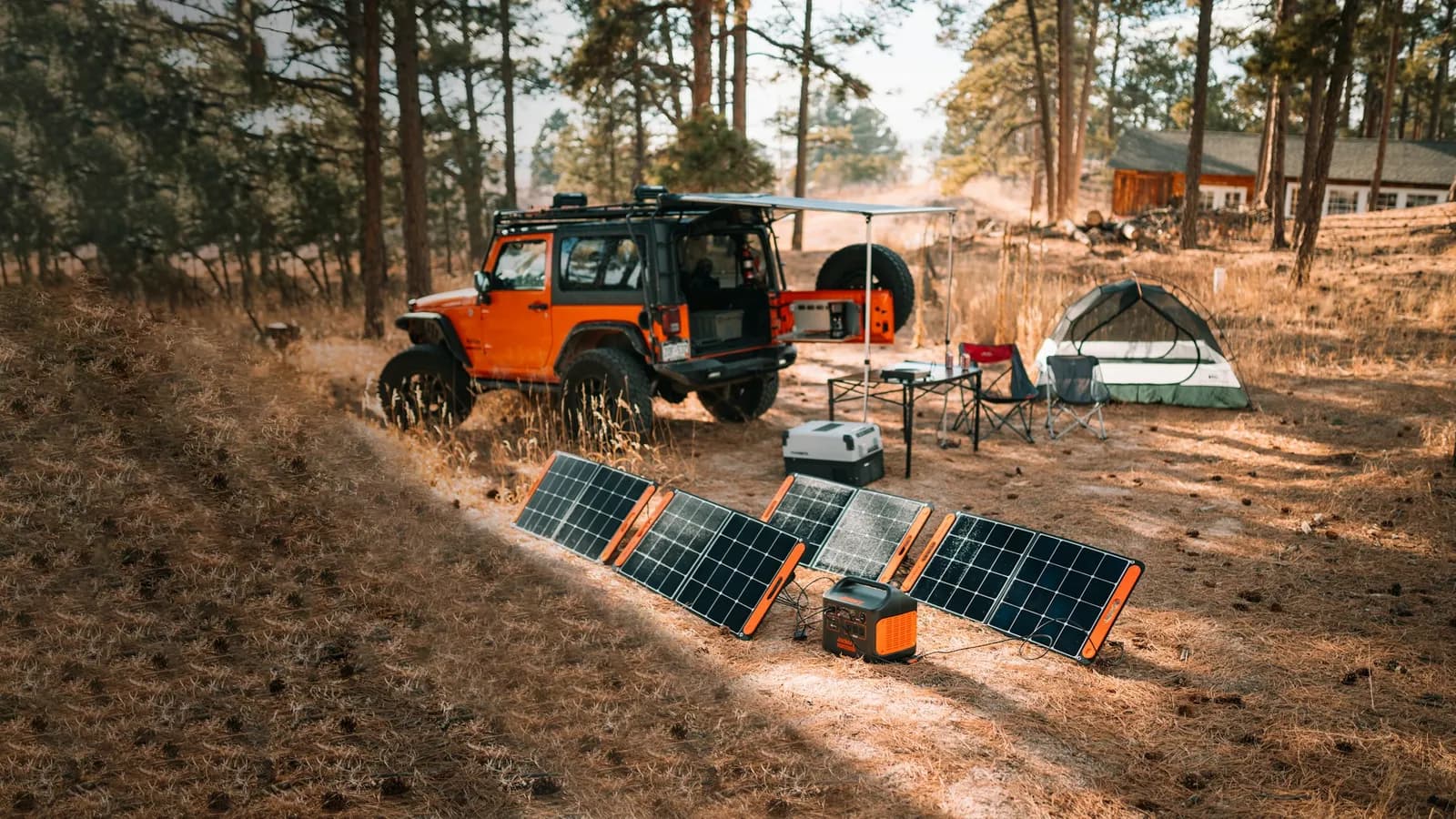
Going from $1000 to $1500 mostly buys capacity. Where the 1 kWh tier carries one day of fridge and laptop use, the stations here hold 1536Wh to 1843Wh and push 1800W to 2400W of AC.
The five picks run from about $500 to $1500. The notes below show where the extra money earns its keep and where a cheaper pick covers the same needs.
Danny’s Camping field notes
The Campsite Fit Check
A quick way to connect the shortlist to the space, workload and ownership details that matter after the box arrives.
- Start with the job
- DYNESS 1536Wh Portable Power Station leads this shortlist for Boondocking and backup on a budget. Use that fit as a reference point, then compare the alternatives against your own space and workload.
- Specs that separate the picks
- The first details to compare are 1536Wh LiFePO4, 4000+ cycles, 1843.2Wh LiFePO4, 2400W, 1070Wh LFP, 1500W, 3000W surge. Confirm the exact model and included components before ordering.
- Trade-off to plan for
- No solar panel included
The Practical Shortlist
A practical look at 5 options, organized around the job each one suits best.

Best Value Under $1500
DYNESS 1536Wh Portable Power Station
Boondocking and backup on a budget
Our take Check price for DYNESS 1536Wh Portable Power Station (opens in a new tab)

Best High Output
EBL 2400W Portable Power Station with 200W Solar Panel
Heavier AC loads
Our take Check price for EBL 2400W Portable Power Station with 200W Solar Panel (opens in a new tab)

Best Bundle
Jackery Solar Generator 1000 v2 and 200W Panel
A panel-and-station starter kit
Our take Check price for Jackery Solar Generator 1000 v2 and 200W Panel (opens in a new tab)
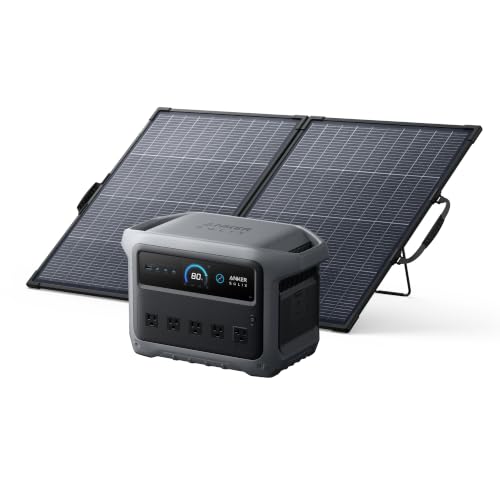
Best Fast Solar Kit
Anker SOLIX C1000 Gen 2 Portable Power Station with 200W Solar Panel
Premium kit with fast solar refills
Our take Check price for Anker SOLIX C1000 Gen 2 Portable Power Station with 200W Solar Panel (opens in a new tab)
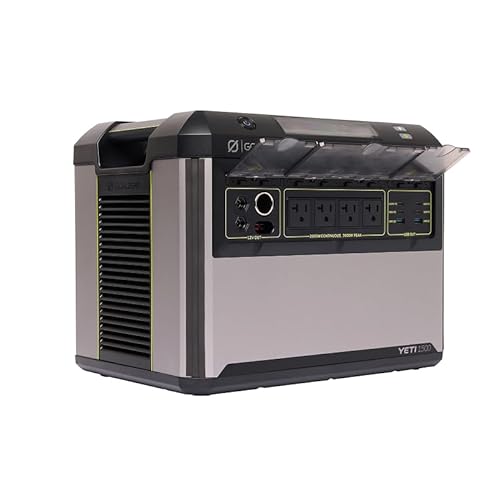
Best Rugged Build
Goal Zero Yeti 1500 Portable Power Station
Rough use and job sites
Our take Check price for Goal Zero Yeti 1500 Portable Power Station (opens in a new tab)
Why You Can Trust Danny’s Camping
At Danny’s Camping, we compare products based on campsite fit, verified specifications, usability, setup requirements, weight, durability, and real-world trade-offs. We do not rank products purely on marketing claims or commission rates.
We have not personally tested every product listed. Where hands-on testing is not available, recommendations are based on verified manufacturer specifications, product documentation, use-case fit, and comparative research.
Why Each Pick Made the Cut
Best Value Under $1500· 1 of 5
DYNESS 1536Wh Portable Power Station
Danny’s Take
More storage per dollar than any other pick here.
Best for
- Boondocking and backup on a budget
Why it made the shortlist
DYNESS stores 1536Wh in a LiFePO4 battery rated for over 4000 cycles and outputs 1800W AC with a 3600W surge. It recharges to 80 percent in 50 minutes on AC, or in about 1.2 hours with up to 1200W of solar input, and has 12 ports, a built-in UPS and app control.
At about $500 it holds 50 percent more energy than the 1024Wh class for the same money as their cheapest members. The EBL has more capacity and output for $180 more, and the Jackery kit adds a panel for $220 more.
Buy it if you want 1.5 kWh of storage without paying for a panel, and you will add one later. It suits RV boondocking, a home backup shelf or a van.
Key dimensions & specs
- 1536Wh LiFePO4, 4000+ cycles
- 1800W AC, 3600W surge
- 50 minute 80% charge, UPS
Pros
- 1536Wh for about $500
- Fast 80 percent charge in 50 minutes
- Up to 1200W of solar input
- Built-in UPS and app control
Cons
- No solar panel included
- Less known brand than the Jackery
The Catch
Add a panel to unlock solar charging.
Best High Output· 2 of 5
EBL 2400W Portable Power Station with 200W Solar Panel
Danny’s Take
The most power and capacity under $700.
Best for
- Heavier AC loads
Why it made the shortlist
EBL holds 1843.2Wh in a LiFePO4 battery and outputs 2400W from four AC ports, with 12 devices charging at once. A bidirectional inverter handles both charging and discharging, and the unit is offered with an optional 200W panel that ships separately.
It stores about 20 percent more than the DYNESS and puts out 600W more, for roughly $180 extra.
Pick it for an RV or cabin that runs a toaster, a small heater or a coffee maker.
Key dimensions & specs
- 1843.2Wh LiFePO4, 2400W
- Four AC ports, 12 devices
- 200W panel option
Pros
- 2400W handles a toaster or kettle
- Largest battery of the five
- Four AC outlets
- Charges and discharges bidirectionally
Cons
- Panel ships separately
- Heavier than the 1.5 kWh units
The Catch
Plan a two-person lift.
Best Bundle· 3 of 5
Jackery Solar Generator 1000 v2 and 200W Panel
Danny’s Take
A tidy, brand-name kit for about $720.
Best for
- A panel-and-station starter kit
Why it made the shortlist
The Jackery Solar Generator 1000 v2 kit pairs a 1070Wh station and a 200W panel. It outputs 1500W AC with a 3000W surge across three pure sine wave outlets, plus USB-C, USB-A and a car port, and an emergency mode charges it in one hour.
It stores less than the DYNESS and EBL, yet it alone ships with a panel at a middle price, about $719. The Anker kit costs $80 more and outputs 2000W.
Choose it if you want panel and station together from a brand with good service. It suits first-time buyers and short RV trips.
Key dimensions & specs
- 1070Wh LFP, 1500W, 3000W surge
- 200W panel included
- One hour emergency charge
Pros
- 200W panel included
- 4000 cycles to 70 percent capacity
- Fast one-hour emergency charge
- Three pure sine wave AC ports
Cons
- Smaller battery than other picks
- Panel connector fits Jackery gear
The Catch
It stores far less than the DYNESS or EBL.
Best Fast Solar Kit· 4 of 5
Anker SOLIX C1000 Gen 2 Portable Power Station with 200W Solar Panel
Danny’s Take
A compact kit with strong output for the size.
Best for
- Premium kit with fast solar refills
Why it made the shortlist
Anker's SOLIX C1000 Gen 2 kit includes a 200W panel and a 1024Wh station that outputs 2000W (3000W peak) over nine ports. The battery is rated for 4000 cycles to 80 percent, and 600W of solar input refills it in about 1.8 hours.
At about $800 it costs $80 more than the Jackery kit and adds 500W of output and a faster solar refill. The DYNESS holds 500Wh more for $300 less, with no panel.
It suits RVers who add panels over time.
Key dimensions & specs
- 1024Wh, 2000W / 3000W peak
- 200W panel included
- Solar full in about 1.8 hours
Pros
- 2000W output in a 1 kWh case
- Includes a 200W panel
- 4000 cycle battery
- Nine output ports
Cons
- Panel and station may ship separately
- Costs $300 more than the DYNESS
The Catch
Check that both boxes arrive.
Best Rugged Build· 5 of 5
Goal Zero Yeti 1500 Portable Power Station
Danny’s Take
The toughest body here, at the top of the budget.
Best for
- Rough use and job sites
Why it made the shortlist
Goal Zero's Yeti 1500 puts out 2000W with a 3600W surge from four AC outlets and six USB ports, including a 140W USB-C. It uses LiFePO4 cells rated for 4000 cycles, charges 0 to 80 percent in under an hour from a wall outlet and carries an IPX4 rating in an aluminum case.
It lands exactly at the cap, about $1500, which is three times the price of the DYNESS. You pay for the aluminum body, the IPX4 resistance and the Yeti accessory ecosystem more than for stored energy.
Choose it if you camp in rough conditions and want a rugged, brand-supported station. It suits job sites and overlanding.
Key dimensions & specs
- 2000W inverter, 3600W surge
- 4000 cycles, IPX4 rating
- Four AC, 140W USB-C
Pros
- Aluminum case with rubber bumpers
- IPX4 weather resistance
- 140W USB-C and four AC outlets
- Wall charge to 80 percent in under an hour
Cons
- Costs three times the DYNESS
- No panel included
The Catch
Do not pay this for storage alone.
How We Built This Shortlist
Each pick was assessed across 5 criteria weighted for real-world use.
- Stored energy
- Capacity from 1024Wh to 1843Wh was compared per dollar.
- AC output
- Continuous output from 1500W to 2400W and surge ratings were matched to real appliances.
- Solar input
- Panel inclusion and maximum solar input were compared.
- Build and warranty
- Case materials, weather resistance and warranty were noted.
- Price against the cap
- Every pick sits under $1500, and the top pick wins on capacity per dollar, not on price alone.
What Matters Before You Choose a Solar Generator Under 1500
Key buying criteria so you get the right fit the first time.
Capacity per dollar
At about 3 Wh per dollar the DYNESS leads, while the Goal Zero delivers roughly 1 Wh per dollar if you assume similar capacity. That is a 3 to 1 gap that has to be justified by build quality or output. Divide watt-hours by price before comparing brands.
Continuous AC output
1800W handles a microwave or a small portable heater for short stretches, while 2400W runs a toaster with a fan or a coffee maker. A 15A household circuit tops out at 1800W anyway. Add up the continuous watts of the appliances you will run at once, then choose a margin of 20 percent.
Solar panel in the bundle
A 200W panel recovers 600 to 800Wh a day in sun, so a 1.5 kWh battery takes two days to refill. A kit that bundles a panel spares you connector matching but not the slow refill. Compare the panel watts with the battery size, and plan more panels if you need faster.
Cell life
A 4000 cycle LiFePO4 battery gives about 11 years of daily use at 70 percent remaining capacity. The cheaper stations in this guide all use LiFePO4, so cell life is not a differentiator here. Look for the cycle rating and the percent retained at that count.
Weight and portability
A 1.5 kWh LiFePO4 station weighs 35 to 45 lb, which is a two-handed lift for most people and a real strain over a rough campsite path. Wheeled models are rare at this size, so the carry is the whole job. Check the weight in the specs and decide whether you will lift it into a vehicle or leave it in place.
Warranty and service
Brand-name stations offer 3 to 5 years and US service, which matters on a $500 to $1500 purchase. Newer brands may offer the same length on paper but ship replacements from overseas, adding weeks to a claim. Look for where the warranty is honored and whether cells are covered before relying on it.
Match a Solar Generator Under 1500 to Your Camp Setup
By need
| Your situation | Recommended pick | Why |
|---|---|---|
| Maximum storage per dollar | DYNESS 1536Wh | 1536Wh for about $500. |
| Heavy AC loads | EBL 2400W | 2400W and 1843Wh. |
| Panel and station in one box | Jackery 1000 v2 Kit | 200W panel included. |
| Premium brand and fast solar | Anker SOLIX C1000 Gen 2 Kit | 2000W with 600W solar input. |
| Rough conditions | Goal Zero Yeti 1500 | Aluminum case with IPX4. |
Scroll sideways to see every column.
By Budget
| Budget | Recommended pick |
|---|---|
| $490 to $680 | DYNESS 1536Wh or EBL 2400W |
| $710 to $800 | Jackery 1000 v2 Kit or Anker SOLIX C1000 Gen 2 Kit |
| $1490 to $1500 | Goal Zero Yeti 1500 |
Bare station vs kit
- Bare stations
- The DYNESS 1536Wh, EBL 2400W and Goal Zero Yeti 1500 give the most capacity or output for the money. You buy panels separately.
- Kits
- The Jackery 1000 v2 Kit and Anker SOLIX C1000 Gen 2 Kit include a 200W panel. They hold less energy but start solar charging right away.
Most buyers should choose the DYNESS 1536Wh and add a panel.
By budget
| Budget band | Recommended pick |
|---|---|
| About $500 | DYNESS 1536Wh |
| About $680 | EBL 2400W |
| About $720 | Jackery 1000 v2 Kit |
| About $800 | Anker SOLIX C1000 Gen 2 Kit |
| About $1500 | Goal Zero Yeti 1500 |
For an RV or van specifically
- Look for
- Look for 1800W or more of AC for a microwave, and 1.5 kWh for an overnight fridge, fan and lights.
- In this comparison
- The DYNESS 1536Wh gives 1536Wh with 1800W, and the EBL 2400W adds 600W more for a coffee maker.
When to Spend More
- Spend more if
- Spend more if you need 2400W of output or a rugged aluminum body, which means the EBL 2400W or the Goal Zero Yeti 1500. The extra $1000 for the Goal Zero buys build, not storage.
- Save if
- Save if your loads are a fridge, lights and a laptop, since the DYNESS 1536Wh covers a full day at about $500 and leaves money for a panel.
Before You Bring One Home
Is 1.5 kWh enough for a full day in an RV?
For a fridge, lights, laptop and phone charging, yes. A 12V fridge uses about 400 to 600Wh a day, lights 100Wh and devices 200Wh, which the DYNESS 1536Wh handles easily. Air conditioning and electric cooking exceed it.
Do I need a panel in the bundle?
Not necessarily. A bare station like the DYNESS 1536Wh costs less and lets you pick the panel size, such as 400W for faster refills. A kit like the Jackery 1000 v2 Kit saves connector hunting but fixes you at 200W.
How loud are these stations?
Most run a fan only under heavy load, and a few sit near 30 dB when idle. The DYNESS 1536Wh advertises quiet operation for nighttime use. Run the station in a ventilated spot and keep its vents clear.
Can I use one as home backup?
Yes for essentials: a fridge, router, lights and phone chargers. The DYNESS 1536Wh and EBL 2400W include UPS or fast switchover, but wiring a station to a home panel needs a transfer switch installed by an electrician. Never backfeed a household circuit.
What happens in cold weather?
LiFePO4 batteries stop charging below about 32F unless the unit has a heater, and they discharge normally to roughly 14F. Keep the station indoors or in a tent on winter trips, and warm it before you charge.
Bottom Line
Best overall: DYNESS 1536Wh Portable Power Station — best value under $1500 pick in this roundup. See the full verdicts above for every pick, with pros, cons and who each one suits.
Browse all solar generators under 1500 on Amazon — Prime-eligible options with current pricing.
Related Guides

About the author
Danny Walker
Founder & Lead Editor at Danny’s Camping
Danny covers camping gear, campsite setup, outdoor power, sleep systems, and practical camping advice, with a focus on helping campers make better gear decisions.