
Buying Guide
Our Guide to the Best Quiet Portable Generator for Camping in 2026
Compare quiet portable generator for camping by fit, capacity, safety, compatibility, setup needs, ownership burden, and real product details.
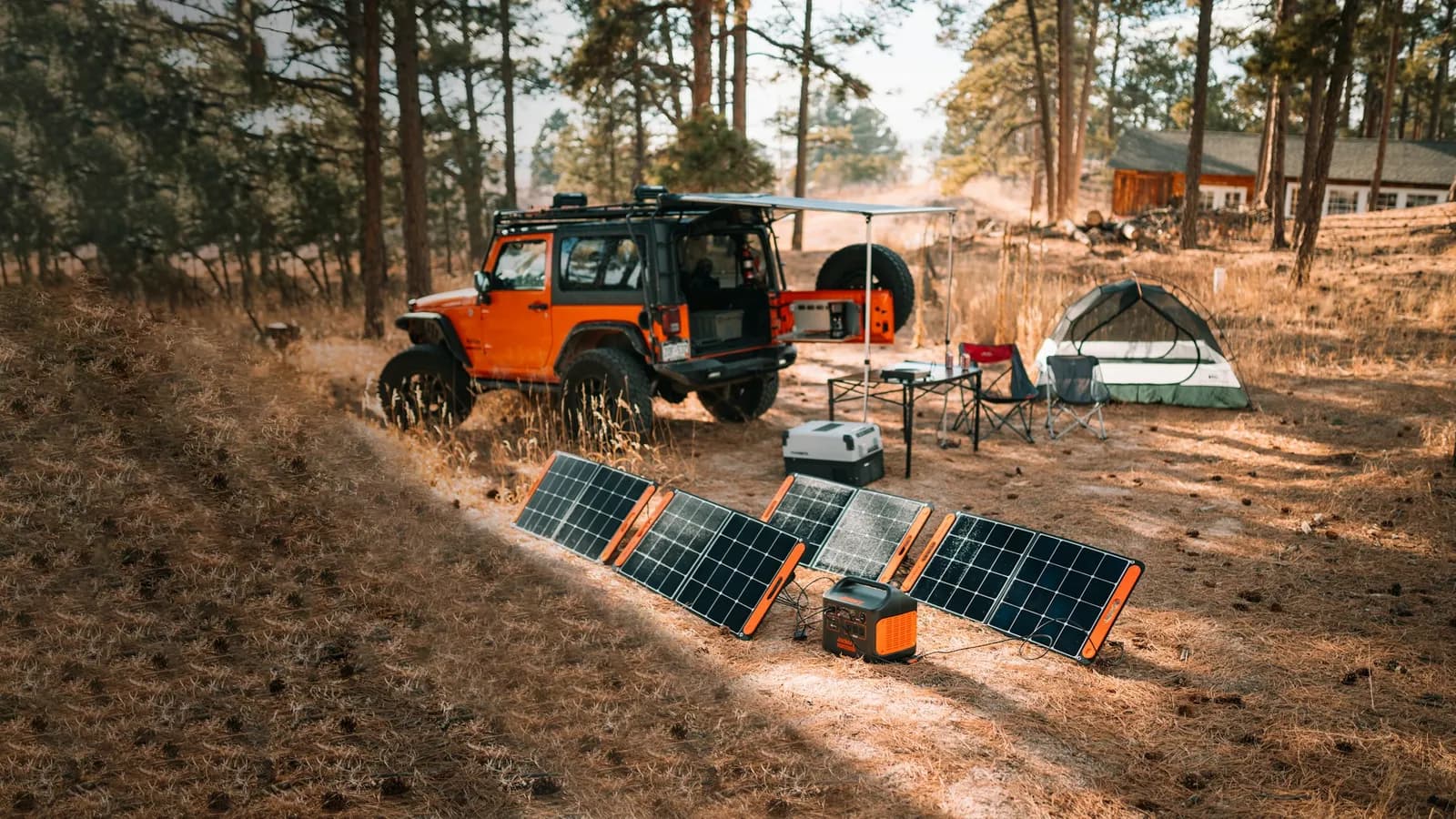
Best Quiet Portable Generator for Camping should be chosen around the job the product needs to do, not only the biggest number in a product title. This guide compares current product listings, published specifications, product images, and feature details so the shortlist is grounded in real available products.
The recommendations focus on compatibility, safety, output or capacity, connection style, portability, setup burden, and long-term ownership. Use it as a buying shortlist, then verify the final manual, local code requirements, and fit with the rest of the backup-power system before purchase.
Danny’s Camping field notes
The Campsite Fit Check
A quick way to connect the shortlist to the space, workload and ownership details that matter after the box arrives.
- Start with the job
- SIOKIUU 2500W Portable Generator Super Quiet Inverter Generator Ultra Lightweight leads this shortlist for campers wanting 1,900W of quiet gas power for a long weekend. Use that fit as a reference point, then compare the alternatives against your own space and workload.
- Specs that separate the picks
- The first details to compare are Continuous output: 1,900W, Continuous output: 1,260W, Capacity: 292Wh. Confirm the exact model and included components before ordering.
- Trade-off to plan for
- Balanced design may not lead every specification
The Practical Shortlist
A practical look at 5 options, organized around the job each one suits best.

Best overall
SIOKIUU 2500W Portable Generator Super Quiet Inverter Generator Ultra Lightweight
campers wanting 1,900W of quiet gas power for a long weekend
Our take Check price for SIOKIUU 2500W Portable Generator Super Quiet Inverter Generator Ultra Lightweight (opens in a new tab)
Best heavy-duty option
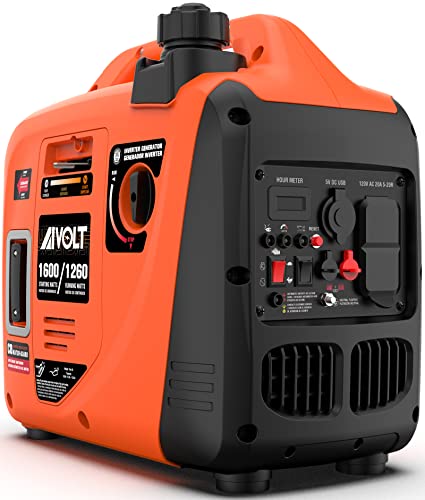
AIVOLT 1600W Super Quiet Inverter Generator 28lbs Portable
campers who want a light, quiet gas inverter for small loads
Our take Check price for AIVOLT 1600W Super Quiet Inverter Generator 28lbs Portable (opens in a new tab)

Best compact option
Jackery Explorer 300 Portable Power Station,292Wh
campers who want zero engine noise for small loads
Our take Check price for Jackery Explorer 300 Portable Power Station,292Wh (opens in a new tab)
Best value pick
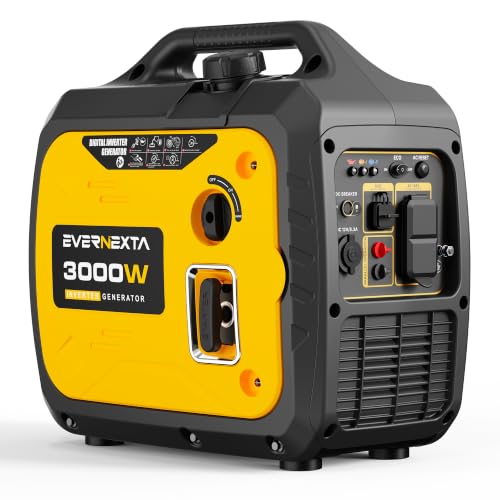
Evernexta 3000W Inverter Generator, Ultra Quiet Portable Gas Generator RV
campers wanting long runtime between refuels
Our take Check price for Evernexta 3000W Inverter Generator, Ultra Quiet Portable Gas Generator RV (opens in a new tab)

Best backup pick
Aceup Energy 4000 Watt Gas Inverter Generator Portable Quiet
campers needing 3,200W with short run windows
Our take Check price for Aceup Energy 4000 Watt Gas Inverter Generator Portable Quiet (opens in a new tab)
Why You Can Trust Danny’s Camping
At Danny’s Camping, we compare products based on campsite fit, verified specifications, usability, setup requirements, weight, durability, and real-world trade-offs. We do not rank products purely on marketing claims or commission rates.
We have not personally tested every product listed. Where hands-on testing is not available, recommendations are based on verified manufacturer specifications, product documentation, use-case fit, and comparative research.
Why Each Pick Made the Cut
Best overall· 1 of 5
SIOKIUU 2500W Portable Generator Super Quiet Inverter Generator Ultra Lightweight
Danny’s Take
Best for campers who want one quiet inverter with 1,900W for most gear. The claimed 17 hour runtime lasts a long weekend.
Best for
- Campers wanting 1,900W of quiet gas power for a long weekend
Why it made the shortlist
1,900W continuous output, 2,500W surge output, and 39.46 lb listed weight give buyers enough substance to compare it against the other picks. Among this group, it has the broadest combination of usable specs and manageable ownership demands. For buyers searching specifically for quiet portable generator for camping, the main value is narrowing the product to the exact connection, load, and safety constraint behind that query. It is best read as a fuel generator with a defined lane, not a universal answer for every backup plan.
A higher-watt unit can be reassuring, yet it can also be harder to move and place correctly. That makes connection planning and safe operating distance just as important as output.
Fuel use, noise, oil service, cord rating, and weather protection all affect whether it works during a real outage. The best owner for this pick has already planned where it will sit and what it will power first.
Key dimensions & specs
- Continuous output: 1,900W
- Surge output: 2,500W
- Listed weight: 39.46 lb
- Runtime claim: Up to 17 hours
Pros
- Balanced specification mix suits most general buyers
- Compact power supports organized campsite setups
- 1,900W provides useful household load flexibility
- 2,500W surge supports brief motor startup loads
Cons
- Balanced design may not lead every specification
- Fuel management increases long-term ownership effort
The Catch
Fuel handling adds upkeep, and campsite rules may restrict run hours.
Best heavy-duty option· 2 of 5
AIVOLT 1600W Super Quiet Inverter Generator 28lbs Portable
Danny’s Take
Best for campers who value carry weight over output. At 28 lb with a 57 dBA claim it is the easiest gas unit to load.
Best for
- Campers who want a light, quiet gas inverter for small loads
Why it made the shortlist
1,260W continuous output, 28 lb listed weight, and 57 dBA noise claim give buyers enough substance to compare it against the other picks. The appeal is margin: more room for load changes, longer sessions, or less forgiving backup scenarios. For buyers searching specifically for quiet portable generator for camping, the main value is narrowing the product to the exact connection, load, and safety constraint behind that query. It is best read as a fuel generator with a defined lane, not a universal answer for every backup plan.
A higher-watt unit can be reassuring, yet it can also be harder to move and place correctly. That makes connection planning and safe operating distance just as important as output.
Fuel use, noise, oil service, cord rating, and weather protection all affect whether it works during a real outage. The best owner for this pick has already planned where it will sit and what it will power first.
Key dimensions & specs
- Continuous output: 1,260W
- Listed weight: 28 lb
- Noise claim: 57 dBA
- Fuel format: Gasoline
Pros
- Heavier-duty design suits demanding regular use
- Transport-friendly format fits vehicle-based camping trips
- 57 dBA claim suits noise-sensitive campsites
- 1,260W output covers moderate portable loads
Cons
- Heavy-duty format can increase transport burden
- Overnight loads require a tested energy budget
- 1,260W leaves limited margin for multiple motors
The Catch
1,260W leaves little margin for several motors, so keep loads small.
Best compact option· 3 of 5
Jackery Explorer 300 Portable Power Station,292Wh
Danny’s Take
Best for campers who want no engine noise at all. 292Wh and 300W cover phones, lights and fans at 7.5 lb.
Best for
- Campers who want zero engine noise for small loads
Why it made the shortlist
Jackery Explorer 300 Portable Power Station, 292Wh belongs in this shortlist when the buyer wants a defined small-power role instead of chasing the biggest printed number. 292Wh moves it into a more useful weekend and short-outage tier, especially when the buyer can recharge daily or keep the load list narrow. For quiet portable generator for camping, the useful comparison is how the product behaves in the buyer's actual routine rather than how large the headline numbers look. That makes it easier to compare against the other picks by real use, not by category label.
Runtime should be estimated from the actual device wattage, because small stations can look generous until several low-draw devices run together for hours. The listing should be checked for port layout, charging input, and whether the outlets match the devices the buyer actually plans to run.
The buyer should test the exact load list for at least one full session instead of relying on the runtime claim. It makes the most sense when convenience, quiet operation, and price control matter more than appliance coverage.
Key dimensions & specs
- Capacity: 292Wh
- Continuous output: 300W
- Surge output: 600W
- Listed weight: 7.5 lb
Pros
- Compact design favors limited storage spaces
- Compact power supports organized campsite setups
- 300W keeps appliance expectations clearly defined
- 600W surge supports brief motor startup loads
Cons
- Compact format limits maximum capability headroom
- 300W excludes heaters and most cooking appliances
The Catch
300W excludes heaters and most cooking appliances.
Best value pick· 4 of 5
Evernexta 3000W Inverter Generator, Ultra Quiet Portable Gas Generator RV
Danny’s Take
Best for campers who need long runtime. 2,350W continuous and a claimed 24 hours mean fewer refuels.
Best for
- Campers wanting long runtime between refuels
Why it made the shortlist
2,350W continuous output, 41.8 lb listed weight, and up to 24 hours claimed runtime give buyers enough substance to compare it against the other picks. Its strongest case is practical coverage at a more restrained level of complexity. For buyers searching specifically for quiet portable generator for camping, the main value is narrowing the product to the exact connection, load, and safety constraint behind that query. It is best read as a fuel generator with a defined lane, not a universal answer for every backup plan.
A higher-watt unit can be reassuring, yet it can also be harder to move and place correctly. That makes connection planning and safe operating distance just as important as output.
Fuel use, noise, oil service, cord rating, and weather protection all affect whether it works during a real outage. The best owner for this pick has already planned where it will sit and what it will power first.
Key dimensions & specs
- Continuous output: 2,350W
- Listed weight: 41.8 lb
- Runtime claim: Up to 24 hours
- Fuel format: Gasoline
Pros
- Value-focused design prioritizes essential practical capabilities
- Compact power supports organized campsite setups
- 2,350W provides useful household load flexibility
- Portable design supports emergency and recreational use
Cons
- Value focus may omit premium conveniences
- Fuel management increases long-term ownership effort
The Catch
At 41.8 lb it is heavier, and the runtime claim needs checking at your load.
Best backup pick· 5 of 5
Aceup Energy 4000 Watt Gas Inverter Generator Portable Quiet
Danny’s Take
Best for campers who need more output. 3,200W continuous and 4,000W surge handle a camper with room to spare.
Best for
- Campers needing 3,200W with short run windows
Why it made the shortlist
Aceup Energy 4000 Watt Gas Inverter Generator Portable Quiet is the best backup pick for shoppers who need camping with a more specific set of tradeoffs. Its most useful published details are 3,200W continuous output, 4,000W surge output, and up to 5 hours claimed runtime. This is the alternative to keep on the shortlist when the main picks miss a specific fit requirement. For buyers searching specifically for quiet portable generator for camping, the main value is narrowing the product to the exact connection, load, and safety constraint behind that query. That makes it easier to judge by fit rather than by a single oversized headline claim.
The most useful published details here are 3,200W continuous output, 4,000W surge output, and up to 5 hours claimed runtime. Fuel format, noise, weight, and outlet layout determine whether it fits the place you actually need to run it. For camping, the safest plan includes outdoor placement, tested cords, and a load list before the outage or trip.
It must run outdoors with exhaust kept away from doors, windows, vents, and occupied spaces. It fits buyers who can manage the setup routine as carefully as the wattage math.
Key dimensions & specs
- Continuous output: 3,200W
- Surge output: 4,000W
- Runtime claim: Up to 5 hours
- Fuel format: Gasoline
Pros
- Backup positioning offers a simpler alternative
- Transport-friendly format fits vehicle-based camping trips
- 3,200W output handles many common appliances
Cons
- Backup role offers less performance headroom
- Overnight loads require a tested energy budget
- Safe operation requires strict outdoor generator placement
The Catch
The listing claims only up to 5 hours of runtime, so plan more fuel stops.
How We Built This Shortlist
Each pick was assessed across 4 criteria weighted for real-world use.
- Product fit
- We ranked products by how clearly they solve the search intent behind quiet portable generator for camping. The strongest picks had a specific role, clear listing details, product images, and a connection path that buyers can verify. We did not rank by temporary prices, star ratings, or review counts.
- Specification usefulness
- We looked for details that help a buyer make a real decision: output, capacity, plug type, enclosure style, cable rating, chemistry, compatible use case, or included components. Products with vague listings were treated more cautiously, even when the title sounded impressive.
- Safety and ownership burden
- Backup-power products are used during stressful outages, storms, travel days, and work sessions. We favored options that make setup, inspection, labeling, portability, or maintenance easier. We also considered where a product could create false confidence if installed or used incorrectly.
- System compatibility
- Each pick was compared against the rest of a likely system, not only against similar products. That means a cord must match the inlet, a solar cable must match the power station input, and a generator accessory must match the exact generator or panel arrangement.
What Matters Before You Choose a Quiet Portable Generator for Camping
Key buying criteria so you get the right fit the first time.
Plan maintenance before first use
Maintenance is part of generator ownership, not an afterthought. Pick a model whose service points, oil access, and runtime tracking fit the way the household will actually maintain it.
Plan weather-safe operation
Outages often happen in rain, snow, or wind. The generator needs approved weather protection that preserves ventilation, cooling, exhaust, and access to controls.
Use proper transfer equipment for home circuits
For home circuits, the generator is only one part of the system. Transfer switch, inlet, cord gauge, neutral configuration, and labeling all need to match.
Do not ignore weight and movement
Large generators can be hard to move when the weather is bad. Check wheel kits, handles, lift points, storage location, and whether one person can position it safely.
Match outlets to the connection plan
Outlet fit matters as much as wattage. A strong generator with the wrong receptacle can force unsafe adapters or limit what can be connected. Confirm voltage, amperage, and plug style before choosing.
Match a Quiet Portable Generator for Camping to Your Camp Setup
Choose by primary job
| If you need | Prioritize | Example |
|---|---|---|
| The safest default shortlist | Clear role and compatibility | SIOKIUU 2500W Portable Generator Super Quiet Inverter Generator Ultra Lightweight |
| More capacity or durability | Heavier-duty listing details | AIVOLT 1600W Super Quiet Inverter Generator 28lbs Portable |
| A compact or simpler setup | Portability and easy storage | Jackery Explorer 300 Portable Power Station,292Wh |
Scroll sideways to see every column.
Verify the weak link
Before buying, identify the weakest part of the system: cord gauge, outlet type, battery capacity, solar input, enclosure rating, fuel storage, or installation path. The best pick in this guide only works well when that weak link is addressed first.
Build a test routine
After purchase, test the setup before the first outage or trip. Label cables, record compatible loads, read the manual, and store small parts together. A product that has never been connected under calm conditions is much harder to trust during a storm.
Before You Bring One Home
How long will a generator run?
Use manufacturer runtime as a planning clue, then test with the loads you expect to run. Heavy loads shorten runtime quickly.
Where should a generator be placed?
Place it outdoors, away from doors, windows, vents, and occupied spaces. Follow the manual and use working CO alarms inside the home.
Is an inverter generator worth it?
Inverter models usually make more sense for camping, RVs, electronics, and mixed light loads. Large home backup may favor conventional high-output units.
What cord do I need?
Use a cord rated for the amperage, voltage, plug type, and length required. Undersized cords can overheat and create voltage drop.
Can a portable generator power a house?
A portable generator can support selected home circuits when the inlet, transfer equipment, cord, and generator outlet are correctly matched.
Can I run a generator in the rain?
Only with manufacturer-approved weather protection that keeps ventilation and exhaust clear. Never move a running generator indoors, into a garage, or onto an enclosed porch.
Bottom Line
Best overall: SIOKIUU 2500W Portable Generator Super Quiet Inverter Generator Ultra Lightweight — best overall pick in this roundup. See the full verdicts above for every pick, with pros, cons and who each one suits.
Browse all quiet portable generator for camping on Amazon — Prime-eligible options with current pricing.
Related Guides

About the author
Danny Walker
Founder & Lead Editor at Danny’s Camping
Danny covers camping gear, campsite setup, outdoor power, sleep systems, and practical camping advice, with a focus on helping campers make better gear decisions.