
Buying Guide
6 Best Lithium Portable Power Stations in 2026: A Practical Camping Guide
Best lithium portable power stations compared by cell chemistry, capacity and ports, from LiFePO4 workhorses to compact lithium-ion boxes.

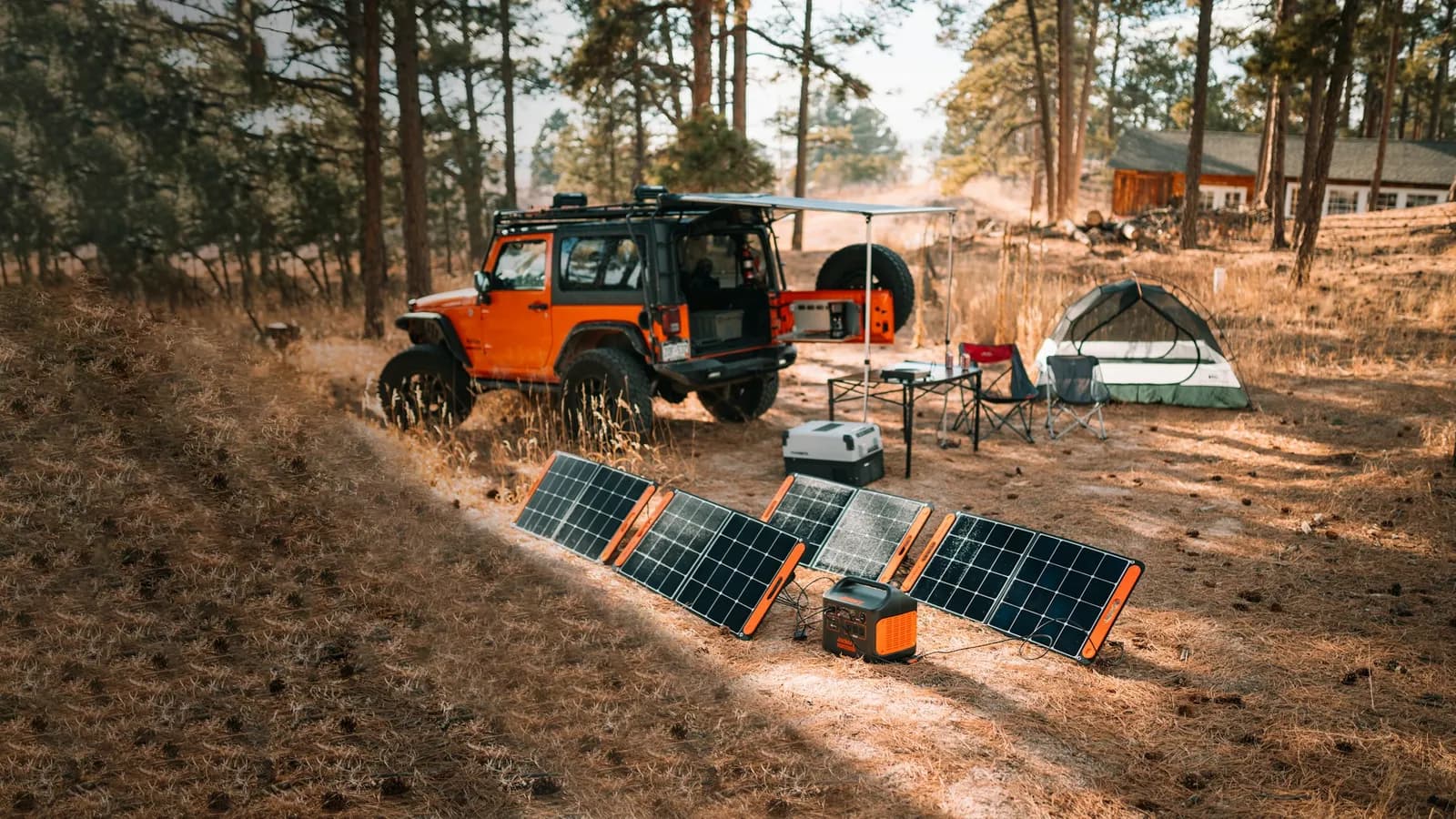
Almost every portable power station is lithium, but the chemistry inside changes lifespan, heat tolerance and price. LiFePO4 cells usually list thousands of cycles, while ordinary lithium-ion packs cost less and list far fewer or none.
Six stations are compared here, from a 1,843Wh LiFePO4 home-sized unit to a 2.3 pound lithium box. Where a listing names its chemistry, the guide says so, and where it does not, it flags the gap so you know what you are buying.
Danny’s Camping field notes
The Campsite Fit Check
A quick way to connect the shortlist to the space, workload and ownership details that matter after the box arrives.
- Start with the job
- EBL 2400W Portable Power Station LiFePO4 Battery for Home Use leads this shortlist for Base camp and RV loads. Use that fit as a reference point, then compare the alternatives against your own space and workload.
- Specs that separate the picks
- The first details to compare are 1,843.2Wh LiFePO4, 2,400W, 192Wh LiFePO4, 300W / 600W, 296Wh lithium-ion, 600W max. Confirm the exact model and included components before ordering.
- Trade-off to plan for
- 55 lb is heavy
The Practical Shortlist
A practical look at 6 options, organized around the job each one suits best.
Best LiFePO4 Capacity
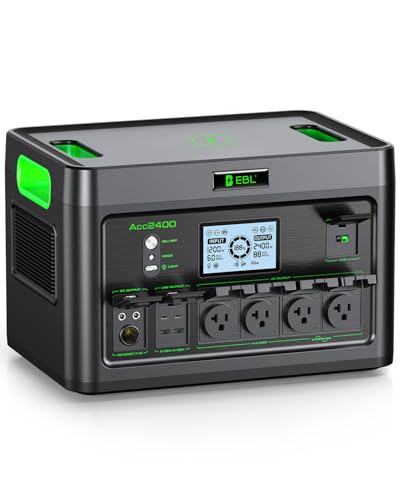
EBL 2400W Portable Power Station LiFePO4 Battery for Home Use
Base camp and RV loads
Our take Check price for EBL 2400W Portable Power Station LiFePO4 Battery for Home Use (opens in a new tab)

Best LiFePO4 Carry
Portable Power Station 300W
Hiking and beach carry
Our take Check price for Portable Power Station 300W (opens in a new tab)

Best Lithium-ion Value
ENOFLO Portable Power Station 600W
Occasional trips, quick refills
Our take Check price for ENOFLO Portable Power Station 600W (opens in a new tab)
Best Light Lithium
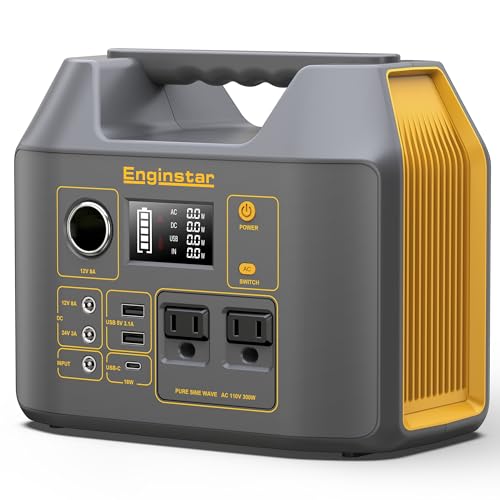
EnginStar 296Wh Portable Solar Generator
Light overnight charging
Our take Check price for EnginStar 296Wh Portable Solar Generator (opens in a new tab)

Best Compact Lithium-ion
Portable Power Station 120W
Solo and flying trips
Our take Check price for Portable Power Station 120W (opens in a new tab)

Smallest and Lightest
HOWEASY Portable Power Station
Day trips, light loads
Our take Check price for HOWEASY Portable Power Station (opens in a new tab)
Why You Can Trust Danny’s Camping
At Danny’s Camping, we compare products based on campsite fit, verified specifications, usability, setup requirements, weight, durability, and real-world trade-offs. We do not rank products purely on marketing claims or commission rates.
We have not personally tested every product listed. Where hands-on testing is not available, recommendations are based on verified manufacturer specifications, product documentation, use-case fit, and comparative research.
Why Each Pick Made the Cut
Best LiFePO4 Capacity· 1 of 6
EBL 2400W Portable Power Station LiFePO4 Battery for Home Use
Danny’s Take
The long-life LiFePO4 choice for big loads.
Best for
- Base camp and RV loads
Why it made the shortlist
The EBL Acc2400 holds 1,843.2Wh in lithium iron phosphate cells and delivers 2,400W through four AC ports. The listing quotes over 3,500 cycles and a 10-year service life, and an emergency mode that switches to backup in 0.1 seconds.
At 55 pounds and 16.9 by 11.8 by 11 inches it is also the heaviest.
It suits RV and base-camp users who want long cell life for a household-scale load. It charges 12 devices at once.
Key dimensions & specs
- 1,843.2Wh LiFePO4, 2,400W
- 3,500+ cycles, 10+ years
- 55 lb, 12 devices
Pros
- Named LiFePO4 chemistry
- 4 AC ports for 2,400W
- Dual-side carry handles
Cons
- 55 lb is heavy
The Catch
At 55 pounds it stays at the camp rather than traveling.
Best LiFePO4 Carry· 2 of 6
Portable Power Station 300W
Danny’s Take
A LiFePO4 box in a pack, for carry-in trips.
Best for
- Hiking and beach carry
Why it made the shortlist
This 192Wh station uses a stable lithium iron phosphate battery with 300W output and a 600W surge through two AC outlets, a 45W USB-C and two 18W USB-A ports.
It stores less energy than the 296Wh units.
It suits hikers and beach campers who carry the station on their back. An 80% charge takes about 3 hours from the wall.
Key dimensions & specs
- 192Wh LiFePO4, 300W / 600W
- Water-resistant backpack
- 45W USB-C, 3 hour 80% charge
Pros
- Named LiFePO4 chemistry
- Backpack carry bag included
- 45W USB-C port
- Solar and car recharge
Cons
- Brand name is not on the listing
- Less capacity than the 296Wh units
The Catch
Low capacity means short runtimes for anything over a laptop.
Best Lithium-ion Value· 3 of 6
ENOFLO Portable Power Station 600W
Danny’s Take
A fast-refilling lithium-ion box for casual use.
Best for
- Occasional trips, quick refills
Why it made the shortlist
The ENOFLO holds 296Wh in a lithium-ion pack and offers two pure sine wave AC outlets at 600W max, two USB-C at 18W, two QC 3.0 USB-A ports and an LED light. It recharges fully in about 3 hours from the wall, and the BMS covers overload, over-voltage and over-temperature.
It beats the unbranded LiFePO4 for capacity and the EnginStar for recharge speed, at a modest price. The chemistry is lithium-ion, so cycle life is lower than the LiFePO4 picks.
It suits occasional campers who want quick refills and 600W of AC capacity. The emergency LED light doubles as a tent lantern.
Key dimensions & specs
- 296Wh lithium-ion, 600W max
- 3 hour full recharge
- Two AC, two USB-C, two USB-A
Pros
- 3 hour full recharge
- 600W max AC output
- Emergency LED light
- Named overload and temperature protection
Cons
- USB-C ports are only 18W
The Catch
No cycle count is stated, so long-term life is uncertain.
Best Light Lithium· 4 of 6
EnginStar 296Wh Portable Solar Generator
Danny’s Take
A light, simple lithium box for slow overnight refills.
Best for
- Light overnight charging
Why it made the shortlist
The EnginStar 296Wh weighs 6.5 pounds in a 9 by 5.5 by 7.5 inch body, with two 110V pure sine wave AC outlets, a built-in LED light and a large LCD. Protections cover overloading, over-discharge, overcharge, overheating and short circuits, and a full wall charge takes about 7 hours.
It holds about the same energy as the ENOFLO and takes four hours longer to recharge from the wall. The listing suggests fully charging it every 2 to 3 months to keep the battery healthy.
It suits budget campers who carry the box a short distance and charge overnight. The pack includes a home charger and a car charger cable.
Key dimensions & specs
- 296Wh lithium, 6.5 lb
- Two pure sine AC outlets
- 7 hour wall charge, LCD
Pros
- 6.5 lb with a handle
- Two pure sine wave outlets
- LCD and built-in LED light
- Wall and car chargers included
Cons
- 7 hour wall recharge
- Chemistry is only listed as lithium
The Catch
Charge it every 2 to 3 months in storage to protect the cells.
Best Compact Lithium-ion· 5 of 6
Portable Power Station 120W
Danny’s Take
A small lithium pack for laptops and phones on the go.
Best for
- Solo and flying trips
Why it made the shortlist
The ZeroKor 120W has a 97.6Wh, 26,400mAh lithium-ion pack with two 120W max AC outlets, a 12V to 16.8V DC port, QC and USB-C ports and a screen display. Its battery management system lists protection against shorts, surges and heat.
It is the second smallest of the six and carries more energy than the HOWEASY. Its 97.6Wh falls just under the 100Wh line that airlines commonly use for carry-on batteries, per general guidance.
It suits solo campers and flyers who want a laptop and phone charger with an AC outlet. Recharging works from a USB-C wall adapter, solar or car.
Key dimensions & specs
- 97.6Wh lithium-ion, 120W max
- Two AC outlets, USB-C, QC
- Screen display
Pros
- 97.6Wh stays under 100Wh
- Two 120W AC outlets
- Screen shows status
Cons
- Only 120W of AC output
The Catch
Check your airline's rules for batteries before flying.
Smallest and Lightest· 6 of 6
HOWEASY Portable Power Station
Danny’s Take
The smallest, lightest lithium box in the group.
Best for
- Day trips, light loads
Why it made the shortlist
The HOWEASY holds 88Wh and offers 120W with a 240W peak through two AC sockets, an 18W USB-C, two QC 3.0 ports and an LED light with SOS. It weighs 2.3 pounds in a 6.6 by 4 by 3 inch body with a hidden handle, and comes with a 24-month warranty.
It suits day trips and light phone, tablet and light charging. The AC adapter and car charger are in the box.
Key dimensions & specs
- 88Wh lithium, 120W / 240W peak
- 2.3 lb, 6.6 x 4 x 3 in
- 24-month warranty
Pros
- 2.3 lb and easy to pack
- 24-month warranty
- Two AC sockets
- Pocket-size 6.6 x 4 x 3 in body
Cons
- Just 88Wh of energy
- Chemistry only listed as lithium
The Catch
Only suitable for phones, tablets and small lights.
How We Built This Shortlist
Each pick was assessed across 5 criteria weighted for real-world use.
- Chemistry
- Named cell chemistry and any cycle rating were compared across the six.
- Capacity
- Watt hours from 88Wh to 1,843Wh were compared.
- Output and ports
- AC watts and USB-C wattage were checked.
- Weight
- Weights where listed were compared.
- Price
- Price against watt hours and warranty.
What Matters Before You Choose a Lithium Portable Power Station
Key buying criteria so you get the right fit the first time.
LiFePO4 versus lithium-ion
LiFePO4 cells list 3,000 or more cycles and tolerate heat better, while lithium-ion packs cost less and list fewer or no cycles. For a station you will use for years, LiFePO4 is worth the premium. Check the listing for the words lithium iron phosphate.
Cycle ratings
A cycle rating tells you how many full charges before capacity falls, usually to 80%. 3,500 cycles equals about ten years of weekly use. Pick listings that state the number.
Unnamed chemistry
Some listings say only lithium, which leaves you guessing. Unnamed chemistry often means lithium-ion. Look for a named cell type before paying for long life.
Airline limit
Most airlines commonly cap carry-on batteries near 100Wh without approval. A 97.6Wh pack fits where a 296Wh pack does not. Check your airline's current policy.
Storage care
Lithium packs last longer when stored around half charge and topped up every few months. The EnginStar listing suggests a full charge every 2 to 3 months. Look for storage advice in the manual.
Match a Lithium Portable Power Station to Your Camp Setup
By Trip Type
| Your situation | Recommended pick | Why |
|---|---|---|
| Base camp or RV, big loads | EBL 2400W Acc2400 | 1,843.2Wh LiFePO4 with 3,500+ cycles. |
| Hiking or beach, carry on back | Unbranded 300W LiFePO4 Bag | LiFePO4 in a backpack. |
| Occasional weekends, quick refill | ENOFLO 600W 296Wh | 3 hour full recharge. |
| Flying with a battery | ZeroKor 120W 97.6Wh | Under the common 100Wh limit. |
Scroll sideways to see every column.
By Budget
| Budget | Recommended pick |
|---|---|
| $60 to $80 | ZeroKor 120W 97.6Wh or HOWEASY 120W 88Wh |
| $130 to $160 | EnginStar 296Wh 6.5lb or Unbranded 300W LiFePO4 Bag |
| $200 to $700 | ENOFLO 600W 296Wh or EBL 2400W Acc2400 |
LiFePO4 vs Lithium-ion
- LiFePO4
- The EBL 2400W Acc2400 and Unbranded 300W LiFePO4 Bag name lithium iron phosphate and long cycle lives.
- Lithium-ion
- The ENOFLO 600W 296Wh and ZeroKor 120W 97.6Wh use lithium-ion, which costs less and lists fewer cycles.
Most campers should choose LiFePO4 like the EBL 2400W Acc2400 when it fits their budget.
By Budget
| Pick | Recommended pick |
|---|---|
| Lowest spend | ZeroKor 120W 97.6Wh |
| Low spend, lightest | HOWEASY 120W 88Wh |
| Mid-range 296Wh | EnginStar 296Wh 6.5lb |
| Pay for long life | EBL 2400W Acc2400 |
For Flying Specifically
- Look for
- A pack under 100Wh or airline approval for larger packs.
- In this comparison
- The ZeroKor 120W 97.6Wh and HOWEASY 120W 88Wh sit under the usual 100Wh line.
When to Spend More
- Spend more if
- Spend more on the EBL 2400W Acc2400 if you want LiFePO4 with 3,500 or more cycles for big loads. It is the only pick that makes a long-life case.
- Save if
- Save with the ZeroKor 120W 97.6Wh or HOWEASY 120W 88Wh if you only charge phones and tablets. The ENOFLO 600W 296Wh saves money for mid-size loads.
Before You Bring One Home
Is LiFePO4 better than lithium-ion for camping?
LiFePO4 lasts more cycles and tolerates heat better, which suits hot cars and frequent use. Lithium-ion packs are lighter per Wh and cost less. Both work for occasional trips.
Can I fly with a portable power station?
Airlines commonly allow batteries up to 100Wh in carry-on and ban larger ones without approval. Only the ZeroKor and HOWEASY here fit. Check the carrier's current rules.
How many cycles does a lithium power station last?
LiFePO4 listings quote 3,500 or more cycles. Lithium-ion listings often give none. Prefer a stated number.
How do I store a lithium power station?
Keep it around half charge in a cool, dry place and top it up every few months. Avoid heat and freezing temperatures when charging. The EnginStar listing advises charging every 2 to 3 months.
What can a 600W lithium station run?
Laptops, phones, fans and small appliances up to 600W. The ENOFLO lists 600W max. Check each device's rated watts.
Bottom Line
Best overall: EBL 2400W Portable Power Station LiFePO4 Battery for Home Use — best lifepo4 capacity pick in this roundup. See the full verdicts above for every pick, with pros, cons and who each one suits.
Browse all lithium portable power stations on Amazon — Prime-eligible options with current pricing.
Related Guides

About the author
Danny Walker
Founder & Lead Editor at Danny’s Camping
Danny covers camping gear, campsite setup, outdoor power, sleep systems, and practical camping advice, with a focus on helping campers make better gear decisions.