
Buying Guide
5 Best 800w Portable Power Stations in 2026: A Practical Camping Guide
Best 800W portable power stations compared: true 800W units plus nearest-fit picks, judged on capacity, surge and recharge time for camp and van power.

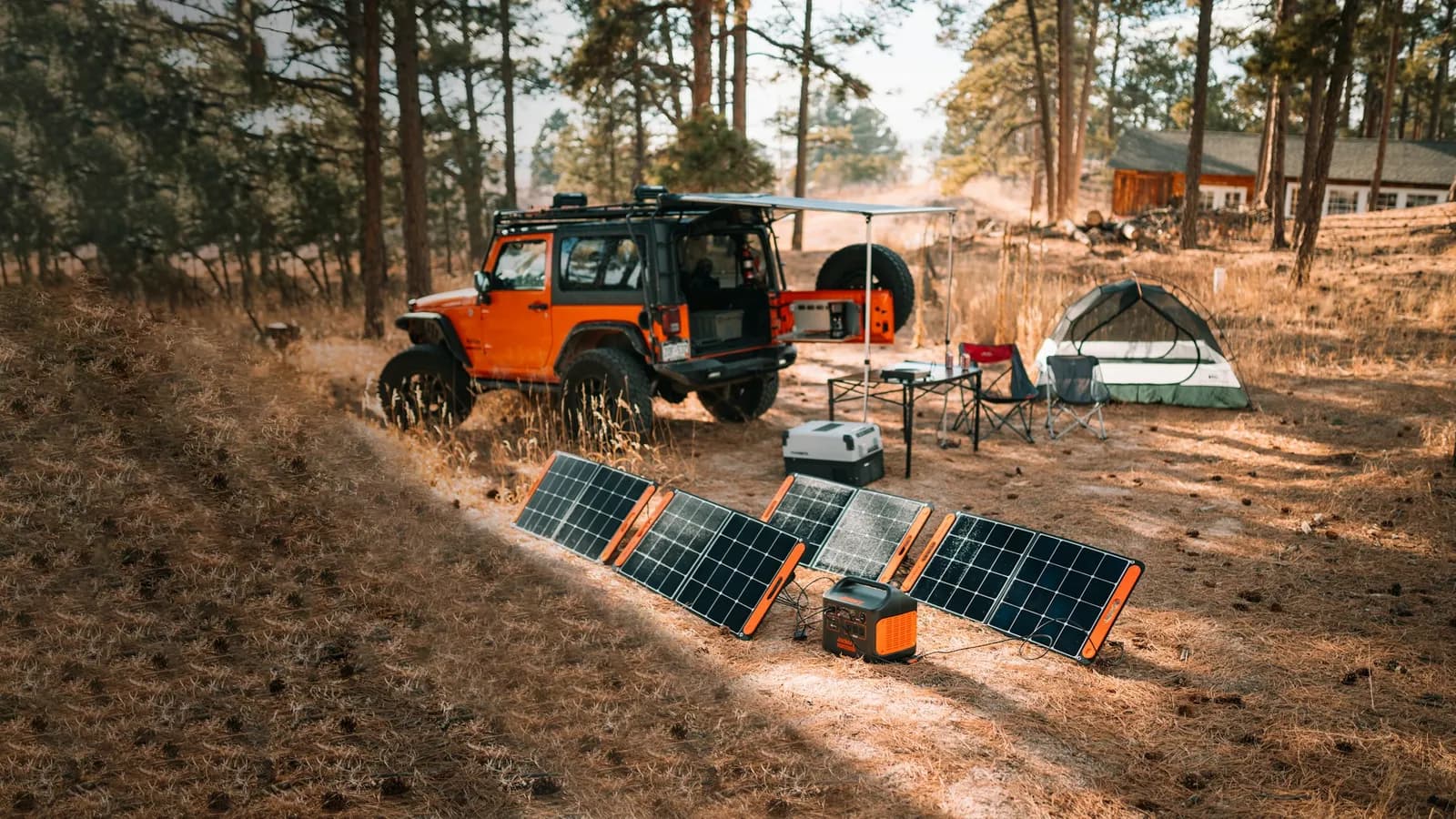
Few portable power stations are sold at exactly 800W, so this size sits in a gap between 600W gadget boxes and 1,000W workhorses. Two units here carry a true 800W rating, and the rest are the nearest fits: a larger 2,400W station, and two compact boxes with an 800W peak.
Each pick is labeled for what it really is, so you can see whether the 800W number is continuous output or only a surge. The comparison weighs watt hours, outlets, recharge speed and weight, since an 800W load drains a small battery in well under an hour.
Danny’s Camping field notes
The Campsite Fit Check
A quick way to connect the shortlist to the space, workload and ownership details that matter after the box arrives.
- Start with the job
- OUKITEL P800 Portable Power Station leads this shortlist for Short, powerful loads. Use that fit as a reference point, then compare the alternatives against your own space and workload.
- Specs that separate the picks
- The first details to compare are 512Wh LiFePO4, 800W / 1600W, 740Wh lithium-ion, 800W AC, 2,048Wh, 2,400W rated. Confirm the exact model and included components before ordering.
- Trade-off to plan for
- 512Wh drains quickly at 800W
The Practical Shortlist
A practical look at 5 options, organized around the job each one suits best.

Best True 800W
OUKITEL P800 Portable Power Station
Short, powerful loads
Our take Check price for OUKITEL P800 Portable Power Station (opens in a new tab)

Best Capacity at 800W
800W Portable Power Station
Budget 800W car camping
Our take Check price for 800W Portable Power Station (opens in a new tab)
Best If You Step Up
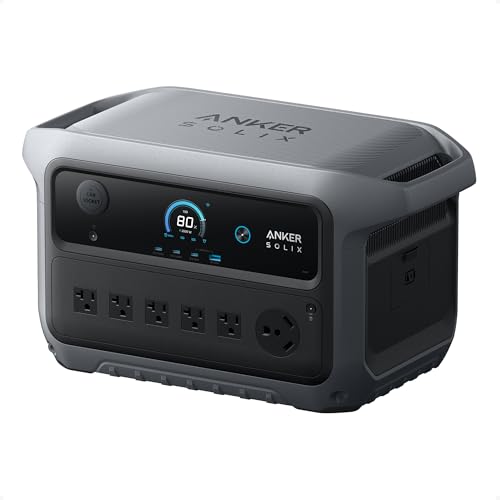
Anker SOLIX C2000 Gen 2 Portable Power Station
Van or RV with 800W+ loads
Our take Check price for Anker SOLIX C2000 Gen 2 Portable Power Station (opens in a new tab)

Best Light Peak Pick
AFERIY Portable Power Station 800W Peak/400W Rated
Light carry with surge reserve
Our take Check price for AFERIY Portable Power Station 800W Peak/400W Rated (opens in a new tab)

Best Budget Peak Pick
Flashfish Portable Power Station
Budget peak-load backup
Our take Check price for Flashfish Portable Power Station (opens in a new tab)
| Pick | Best for | Key spec | Price |
|---|---|---|---|
| Short, powerful loads | 512Wh LiFePO4, 800W / 1600W | Check price for OUKITEL P800 Portable Power Station (opens in a new tab) |
| Budget 800W car camping | 740Wh lithium-ion, 800W AC | Check price for 800W Portable Power Station (opens in a new tab) |
| Van or RV with 800W+ loads | 2,048Wh, 2,400W rated | Check price for Anker SOLIX C2000 Gen 2 Portable Power Station (opens in a new tab) |
| Light carry with surge reserve | 256Wh LiFePO4, 400W / 800W peak | Check price for AFERIY Portable Power Station 800W Peak/400W Rated (opens in a new tab) |
| Budget peak-load backup | 400Wh, 400W / 800W peak | Check price for Flashfish Portable Power Station (opens in a new tab) |
Why You Can Trust Danny’s Camping
At Danny’s Camping, we compare products based on campsite fit, verified specifications, usability, setup requirements, weight, durability, and real-world trade-offs. We do not rank products purely on marketing claims or commission rates.
We have not personally tested every product listed. Where hands-on testing is not available, recommendations are based on verified manufacturer specifications, product documentation, use-case fit, and comparative research.
Why Each Pick Made the Cut
Best True 800W· 1 of 5
OUKITEL P800 Portable Power Station
Danny’s Take
A true 800W unit that refills fast, ideal for short high-draw uses.
Best for
- Short, powerful loads
Why it made the shortlist
The OUKITEL P800 delivers 800W continuous and 1,600W surge from 512Wh of LiFePO4, and alongside the AC sockets sits a 100W USB-C PD jack, a QC 3.0 port and a 120W car outlet. The listing says it recharges in about an hour from up to 500W AC and rates the cells at 4,000 cycles.
It is one of two picks with a true 800W rating, and it adds a built-in MPPT controller for 200W of solar and a UPS transfer under 10ms. It holds less energy than the powkey R1000 at 740Wh, in return for a much faster refill.
It suits campers who run a coffee maker, laptop or fan and want to recharge between outings. The listing calls it 20% lighter than comparable stations.
Key dimensions & specs
- 512Wh LiFePO4, 800W / 1600W
- 1 hour AC recharge, 200W solar
- 100W USB-C PD, UPS under 10ms
Pros
- About 1 hour AC recharge
- 4,000 cycle LiFePO4 cells
- MPPT solar and UPS switchover
Cons
- 512Wh drains quickly at 800W
- Weight is not stated on the listing
The Catch
At full load, 512Wh lasts well under an hour.
Best Capacity at 800W· 2 of 5
800W Portable Power Station
Danny’s Take
A budget 740Wh box with the most outlets and real 800W output.
Best for
- Budget 800W car camping
Why it made the shortlist
The powkey R1000 packs 740Wh into a lithium-ion pack with three AC outlets sharing 800W of pure sine wave output. It adds two USB-A, two USB-C, two 10W wireless pads, two 12V DC ports and Anderson and DC charging ports.
It holds about 45% more energy than the OUKITEL P800 and puts wireless pads on the lid. The AC adapter and car charger come in the box.
It suits car campers who want an 800W budget unit for a fan, cooler and laptop. Charging comes from a wall, car port or a backup battery source.
Key dimensions & specs
- 740Wh lithium-ion, 800W AC
- Three AC outlets, pure sine
- Two 10W wireless pads
Pros
- 740Wh gives real runtime
- Three AC outlets
- Wireless pads on top
- AC adapter and car cable included
Cons
- Lithium-ion, not LiFePO4
- No UPS or recharge time named
The Catch
The listing names no cycle count or recharge hours.
Best If You Step Up· 3 of 5
Anker SOLIX C2000 Gen 2 Portable Power Station
Danny’s Take
The step-up option for those whose 800W loads run all day.
Best for
- Van or RV with 800W+ loads
Why it made the shortlist
The Anker SOLIX C2000 Gen 2 stores 2,048Wh and delivers 2,400W rated with 4,000W peak, enough for most window and RV air conditioners per the listing. It uses 9W on standby, charges to 100% in 58 minutes and takes 800W alternator charging in a vehicle.
It is far beyond 800W, so it is the step-up option rather than a true fit. An expansion battery lifts capacity to 4kWh, and a dual-door fridge can run for 32 hours.
It suits van and RV campers who want 800W loads to last hours instead of minutes.
Key dimensions & specs
- 2,048Wh, 2,400W rated
- 4,000W peak, 58 minute charge
- 800W alternator charging
Pros
- 2,048Wh runs 800W for hours
- Expandable to 4kWh
- Six ways to recharge
- 9W standby draw
Cons
- Far larger than an 800W need
- Most expensive pick by far
The Catch
Cost and size are far above what an 800W user needs.
Best Light Peak Pick· 4 of 5
AFERIY Portable Power Station 800W Peak/400W Rated
Danny’s Take
A light unit with an 800W peak but only 400W continuous.
Best for
- Light carry with surge reserve
Why it made the shortlist
The AFERIY Nomad400 is rated 400W with an 800W peak and holds 256Wh of LiFePO4. It weighs 8.8 pounds, takes 300W from the wall for a 45 minute fast charge, and offers a 100W PD USB-C port and a 10ms UPS.
It is a nearest fit by peak watts, with the smallest battery of the five and a body under 9 pounds. Next to the Flashfish K53 it recharges faster and carries a 4,000-cycle pack.
It suits backpackers and weekenders whose real load stays under 400W and who want a surge reserve. A bidirectional inverter replaces the bulky adapter.
Key dimensions & specs
- 256Wh LiFePO4, 400W / 800W peak
- 45 minute fast charge
- 8.8 lb, 100W USB-C
Pros
- 8.8 lb is easy to carry
- 45 minute fast charge
- 4,000+ cycle LiFePO4 pack
- 100W USB-C PD output
Cons
- 400W rated, not 800W continuous
- 256Wh runs out quickly
The Catch
Do not plug in a continuous 800W device.
Best Budget Peak Pick· 5 of 5
Flashfish Portable Power Station
Danny’s Take
The cheapest nearest-fit pick for short surges.
Best for
- Budget peak-load backup
Why it made the shortlist
The Flashfish K53 offers 400Wh and 400W continuous with an 800W peak, one AC outlet and nine ports in total. It weighs about 8.44 pounds and measures 9.2 by 5.8 by 6.0 inches.
It holds more energy than the AFERIY Nomad400 at the lowest price here, with a single AC outlet. The listing names solar, wall and car charging, with a full recharge quoted at 9 to 10 hours.
It suits budget campers who need an 800W surge capacity for a pump or blender. It is a nearest fit rather than an 800W unit.
Key dimensions & specs
- 400Wh, 400W / 800W peak
- 9 ports, one AC outlet
- 8.44 lb, 9.2 x 5.8 x 6.0 in
Pros
- 400Wh beats the AFERIY
- Nine output ports
- 8.44 lb with a handle
Cons
- 400W rated, not 800W continuous
- Only one AC outlet
The Catch
A full recharge takes 9 to 10 hours, so plan ahead.
How We Built This Shortlist
Each pick was assessed across 5 criteria weighted for real-world use.
- Rated versus peak watts
- Each listing was separated into true 800W continuous output and peak-only claims.
- Capacity
- Watt hours were compared since 800W drains small batteries fast.
- Recharge
- Wall, solar and vehicle recharge options were checked.
- Weight and ports
- Listed weight and outlet counts were compared.
- Value
- Price against capacity and stated cycles.
What Matters Before You Choose an 800w Portable Power Station
Key buying criteria so you get the right fit the first time.
Continuous versus peak
A station labelled 800W peak might only deliver 400W continuously. Plugging in an 800W device then trips the overload protection. Check which number is rated output and which is surge.
Watt hours at heavy loads
An 800W load drains a 512Wh unit in roughly 35 minutes after inverter loss. A 740Wh unit gives around 50 minutes. Check the Wh and divide by your load, then subtract about 20%.
Recharge method
Fast AC charging near 500W refills in about an hour, while a 100W solar panel takes much longer. Vehicle alternator charging is the quickest on the road. Look for the stated input wattage.
Heating appliances
Kettles and toasters often draw over 1,000W and will exceed an 800W unit. Coffee makers and blenders vary widely. Check the rated watts on the appliance label.
Chemistry and cycles
LiFePO4 cells list 3,000 to 4,000 cycles, while lithium-ion cells list fewer or none. The listing should name both. Look for them before paying for a long-life claim.
Match an 800w Portable Power Station to Your Camp Setup
By Load
| Your situation | Recommended pick | Why |
|---|---|---|
| Coffee maker or blender, true 800W | OUKITEL P800 | The only true 800W continuous rating. |
| Fan, cooler and laptop, long runtime | powkey R1000 | 740Wh and three AC outlets. |
| 800W loads running for hours | Anker SOLIX C2000 Gen 2 | 2,048Wh and 2,400W rated. |
| Light carry, surge reserve | AFERIY Nomad400 | 8.8 lb with an 800W peak. |
Scroll sideways to see every column.
By Budget
| Budget | Recommended pick |
|---|---|
| $140 to $190 | Flashfish K53 or AFERIY Nomad400 |
| $190 to $300 | powkey R1000 or OUKITEL P800 |
| $990 to $1000 | Anker SOLIX C2000 Gen 2 |
True 800W vs Peak Only
- True 800W
- The OUKITEL P800 and powkey R1000 give 800W continuous, so heavy loads run without tripping.
- Peak only
- The AFERIY Nomad400 and Flashfish K53 handle brief 800W surges with 400W continuous.
Most campers should choose a true 800W unit like the OUKITEL P800 unless weight decides.
By Budget
| Pick | Recommended pick |
|---|---|
| Lowest spend | Flashfish K53 |
| Light and fast | AFERIY Nomad400 |
| Mid-range 800W | powkey R1000 |
| Pay for a true 800W with fast charge | OUKITEL P800 |
For Van or RV Use Specifically
- Look for
- Capacity of 1kWh or more and a vehicle or solar charging path.
- In this comparison
- The Anker SOLIX C2000 Gen 2 lists alternator charging and expansion, the strongest van fit here.
When to Spend More
- Spend more if
- Spend more on the OUKITEL P800 if you need real 800W output with an hour-long refill. The Anker SOLIX C2000 Gen 2 is the premium if loads run for hours.
- Save if
- Save with the Flashfish K53 or powkey R1000 if you only run short loads at camp. Both give usable watt hours at lower prices.
Before You Bring One Home
What can an 800W power station run?
Coffee makers, blenders, small fans, laptops and lights fit. Kettles, toasters and hair dryers often exceed 800W. Check the appliance label.
Is an 800W peak the same as 800W output?
No, a peak rating covers a brief surge. The AFERIY Nomad400 and Flashfish K53 are 400W continuous. Match your device's continuous watts to the rated figure.
How long does an 800W load last on 512Wh?
About 35 minutes after losses. Smaller loads last far longer. Divide watt hours by load and subtract roughly 20%.
Can I charge these from my car?
The Anker SOLIX C2000 Gen 2 supports 800W alternator charging, and others use a 12V car port. Check the listing for charging wattage.
Can any of these power a CPAP?
Some listings mention CPAP machines. Confirm with the CPAP maker, and do not rely on a runtime estimate. Humidifier heaters raise the draw.
Bottom Line
Best overall: OUKITEL P800 Portable Power Station — best true 800w pick in this roundup. See the full verdicts above for every pick, with pros, cons and who each one suits.
Browse all 800w portable power stations on Amazon — Prime-eligible options with current pricing.
Related Guides

About the author
Danny Walker
Founder & Lead Editor at Danny’s Camping
Danny covers camping gear, campsite setup, outdoor power, sleep systems, and practical camping advice, with a focus on helping campers make better gear decisions.