Practical Camping Guide
What Food Should You Bring Camping?
Bring food that is simple to cook, easy to store safely, appropriate for your activity level, and realistic for the equipment at your campsite. For a short car-camping trip, combine cooler foods for the first meals with shelf-stable breakfasts, lunches, snacks, and backup meals. For backpacking or camping without reliable refrigeration, prioritize compact dry foods that need little fuel and create little waste.
 By Danny WalkerUpdated 11 min read
Bring food that is simple to cook, easy to store safely, appropriate for your activity level, and realistic for the equipment at your campsite. For a short car-camping trip, combine cooler foods for the first meals with shelf-stable breakfasts, lunches, snacks, and backup meals. For backpacking or camping without reliable refrigeration, prioritize compact dry foods that need little fuel and create little waste.
The best menu is not the most elaborate one. It is the menu you can keep at safe temperatures, prepare with the stove and water you actually have, protect from wildlife, and clean up without turning the campsite into a mess.
Start With the Trip, Not a Grocery List
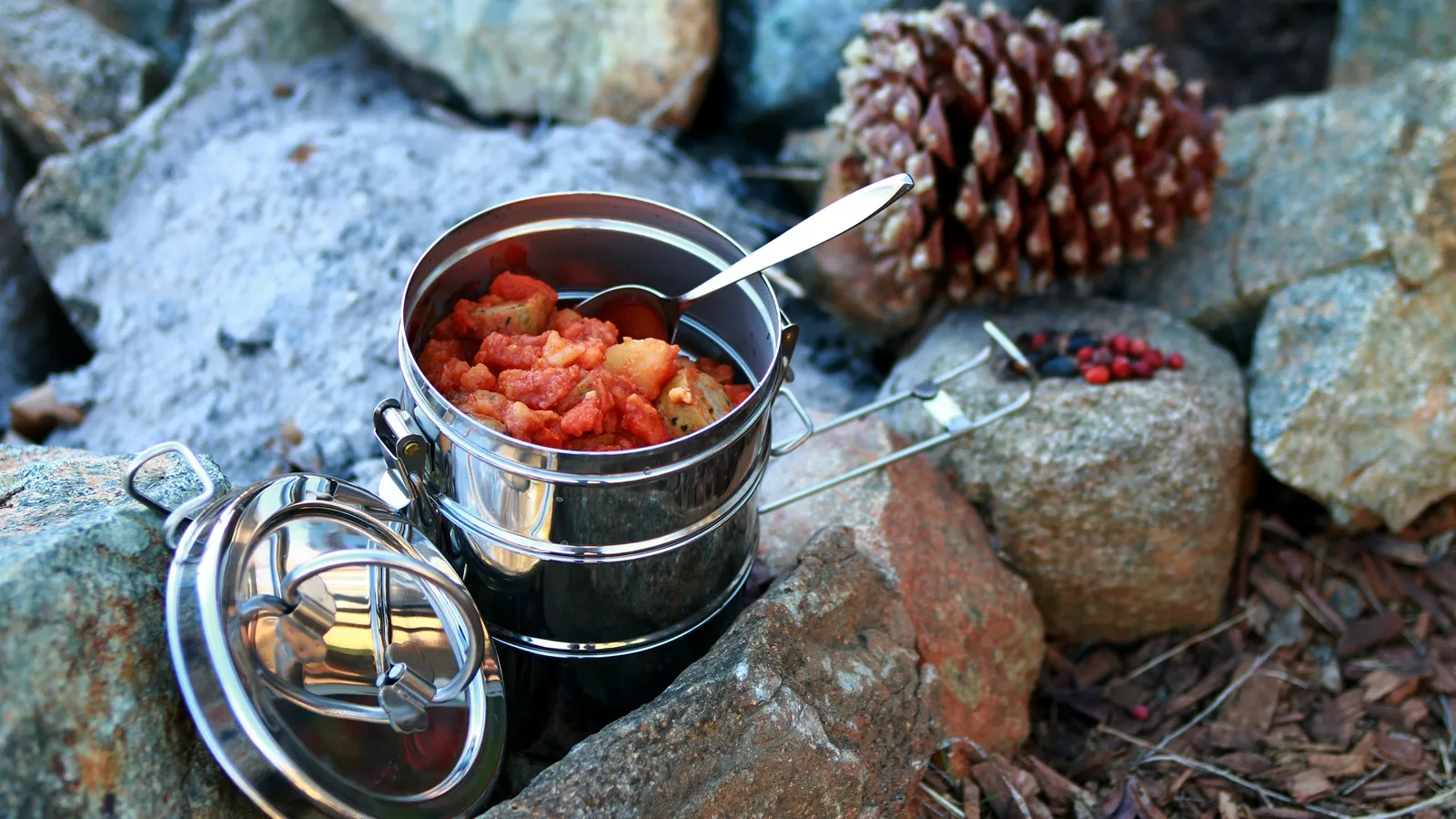
Before choosing meals, write down the number of people, nights, expected arrival and departure times, cooking method, available water, cooler capacity, fire restrictions, food-storage rules, and distance from supplies. A two-night developed campground trip supports a very different menu from three days of backpacking.
Count the meals you will actually eat at camp. If you arrive after dinner on Friday and leave before lunch Sunday, you may need only two breakfasts, one lunch, one dinner, snacks, and a delay buffer. This prevents overpacking and reduces food waste.
Build the menu alongside your wider step-by-step camping trip plan, because arrival time, campground facilities, and daily activities all change what is practical to eat.
Ask four questions about every proposed meal:
- Can it remain safe until we eat it?
- Can our stove and cookware prepare it?
- Do we have enough clean water and fuel?
- Can we store leftovers, packaging, and odors correctly?
A Practical Food Mix for Most Car Campers
A balanced two- or three-night car-camping menu often includes:
- One or two perishable meals eaten early.
- Shelf-stable breakfasts such as oatmeal, cereal, nut butter, or breakfast bars.
- Low-prep lunches such as wraps, crackers, tuna pouches, hard cheese kept cold, or shelf-stable spreads.
- One-pot dinners built around pasta, rice, couscous, beans, or soup.
- Fruit and vegetables chosen for durability.
- Salty and carbohydrate-rich snacks for active days.
- One complete shelf-stable backup meal.
This mix gives variety without making every meal depend on ice. It also makes the last day easier, when the cooler is warmer and everyone wants a quick departure.
Choose Food by Storage Requirement
| Storage group | Examples | Best use |
|---|---|---|
| Must stay cold | Raw meat, dairy, cooked leftovers, cut produce | Early meals with a dependable cooler |
| Stable until opened | Tuna pouches, canned beans, shelf-stable milk, jars and sauces | Flexible meals; refrigerate leftovers when required |
| Dry shelf-stable | Oats, pasta, rice, couscous, crackers, dried fruit | Core foods for most trip styles |
| Durable fresh | Apples, oranges, carrots, whole peppers | Early-to-middle trip; protect from bruising |
| Ready to eat | Bars, nuts, jerky, nut-butter packets | Travel days, hikes, weather delays |
“Shelf-stable” applies only while packaging remains sealed and storage instructions are followed. Once opened or prepared, many products require refrigeration. Read the label instead of relying on the grocery-store aisle where you found the item.
Breakfasts That Do Not Delay the Day
Breakfast should match the morning schedule. Oatmeal with dried fruit and nuts needs only hot water. Granola and shelf-stable milk reduce cooking. Eggs, breakfast potatoes, and sausage suit relaxed car-camping mornings but require cold storage, cookware, and cleanup.
Prepare coffee and breakfast with the same heat source when possible. If the group wants to leave early for a hike, portion dry ingredients at home and place the next morning's food where it is accessible without unpacking the entire kitchen.
Good options include instant oats, whole-grain cereal, tortillas with nut butter, bagels, fruit, powdered drink mixes, and pre-portioned pancake mix. Do not bring a complicated hot breakfast for every morning unless cooking is part of the trip's purpose.
Lunches Should Work Away From Camp
Lunch often happens on a trail, beside a lake, or during a drive. Choose foods that tolerate movement and do not require the main camp kitchen. Wraps pack more easily than soft bread. Tuna or chicken pouches, nut butter, crackers, hard cheese kept safely cold, whole fruit, and trail mix are easy to portion.
Pack each person's lunch in a small reusable bag or container. This prevents the group from opening the food cooler repeatedly and makes portion gaps visible before leaving camp. Carry food waste back; fruit peels and crumbs are still litter and wildlife attractants.
Dinners: Favor One-Pot and Modular Meals
One-pot dinners use less fuel, water, and washing. Pasta with sauce and vegetables, rice-and-bean bowls, couscous with protein, chili, curry, and soup are adaptable to dietary needs.
Use a modular base for groups: a grain or tortilla, a protein, vegetables, sauce, and optional toppings. Campers can assemble their own meals without requiring several separate entrees. Prepare chopping and marinades at home, but transport everything at safe temperatures.
If you plan to cook meat, carry a food thermometer. USDA guidance uses minimum internal temperatures rather than color as the reliable test. Keep raw meat separate and below ready-to-eat foods in the cooler so leaks cannot drip onto them.
Snacks Are Part of the Plan
Snacks cover activity between meals and prevent people from opening ingredients intended for dinner. Pack a mixture rather than only sweets:
- Nuts, seeds, and trail mix.
- Dried fruit and durable fresh fruit.
- Crackers, pretzels, and popcorn.
- Bars that will not melt in expected weather.
- Jerky or other shelf-stable protein.
- Nut-butter packets.
- Electrolyte mix when appropriate for heat and exertion.
Portion some snacks individually and keep a separate reserve for delays. Campers with allergies or medical dietary needs should control their own clearly labeled supply and avoid shared scoops that can cause cross-contact.
Match Food to Your Cooking Method
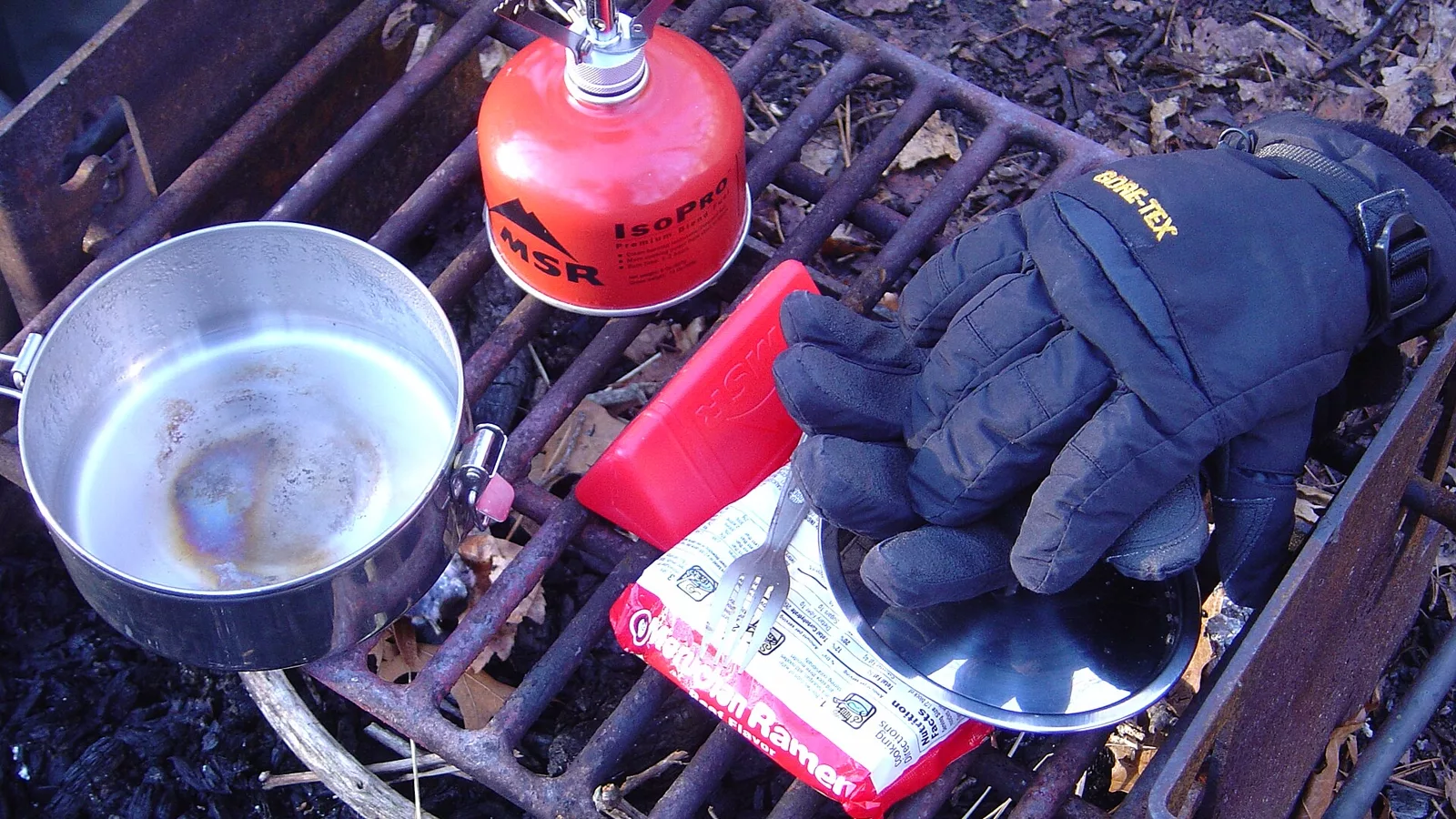
A two-burner propane stove can handle a pot and skillet together. A small backpacking stove is better for boiling water or one-pot meals. A campfire is not a guaranteed cooking appliance: restrictions, rain, wind, unavailable wood, or local rules can remove it from the plan.
Never depend on a fire for every meal. Carry a permitted stove and know how to use it where the trip requires cooked food. Never operate a stove, grill, or other combustion device inside a tent, vehicle, or enclosed sleeping space because fire and carbon monoxide can kill.
Read how to cook while camping for method selection and how to set up a camp kitchen for safe workflow.
Cooler Food: Plan the Order
Chill or freeze food before loading it. A cooler is for maintaining cold food, not rapidly cooling warm groceries. Use enough ice or frozen packs, minimize empty air space, keep the cooler shaded, and consider a separate drink cooler because it will be opened more often.
Pack late-trip items at the bottom and first meals near the top. Seal raw foods against leaks. Use a thermometer inside the cooler and keep perishable food at 40°F (4°C) or below. USDA guidance states that perishable food should not remain in the 40–140°F danger zone for more than two hours, or one hour when conditions are above 90°F.
If ice is gone and you cannot verify safe cold holding, do not guess. Discard questionable perishables. Our guide to keeping food safe while camping covers the full cold-chain workflow.
Good Foods When You Have No Refrigeration
Build meals from oats, dry cereal, powdered milk, tortillas, crackers, rice, pasta, couscous, instant potatoes, dehydrated soup, canned or pouched protein, unopened shelf-stable sauces, dried fruit, nuts, and durable produce.
Choose package sizes the group can finish after opening. A large jar may become perishable waste when a few individual packets would have been used completely. Check sodium, allergens, preparation water, and cooking time rather than assuming all dry food is equally practical.
See camping food that doesn't need refrigeration for a dedicated list and sample menu.
Food for Backpacking
Backpacking food must justify its weight, volume, fuel, water, and packaging. Dry foods are efficient, but some require long simmering and therefore extra fuel. Couscous, quick noodles, instant rice, oats, dehydrated meals, nut butter, oil, tortillas, cheese suitable for the planned conditions, and compact snacks are common building blocks.
Repackage only when doing so does not remove critical preparation, allergy, expiration, or safety information. Label every bag. Calculate required water for drinking and cooking; dry meals are not helpful if water is scarce or unsafe.
Food for Families and Groups
Use familiar meals and offer components separately for selective eaters. Assign one person to the menu and another to verify equipment and storage so ingredients are not packed without the necessary pan, opener, fuel, or refrigeration.
For groups, calculate portions meal by meal instead of multiplying one generic daily number. Children may eat less at dinner but snack more during active days. Add a modest buffer, not an entire duplicate pantry.
Keep a written inventory of cooler food and shelf-stable bins. Label dietary-specific items and designate clean utensils for allergies.
A Simple Two-Night Menu
Arrival dinner: prepared chili kept cold, tortillas, and whole fruit. Reheat the chili to a safe temperature.
Day one breakfast: oatmeal, dried fruit, nuts, and coffee.
Day one lunch: tuna wraps, carrots, apples, and crackers.
Day one dinner: one-pot pasta with shelf-stable sauce and vegetables, plus optional refrigerated protein.
Day two breakfast: bagels with nut butter and fruit.
Departure lunch or backup: soup, couscous cups, or another shelf-stable meal.
Add snacks and quantities based on people and activity. This menu deliberately reduces reliance on the cooler after the first evening.
Store Food for Wildlife, Not Just Freshness
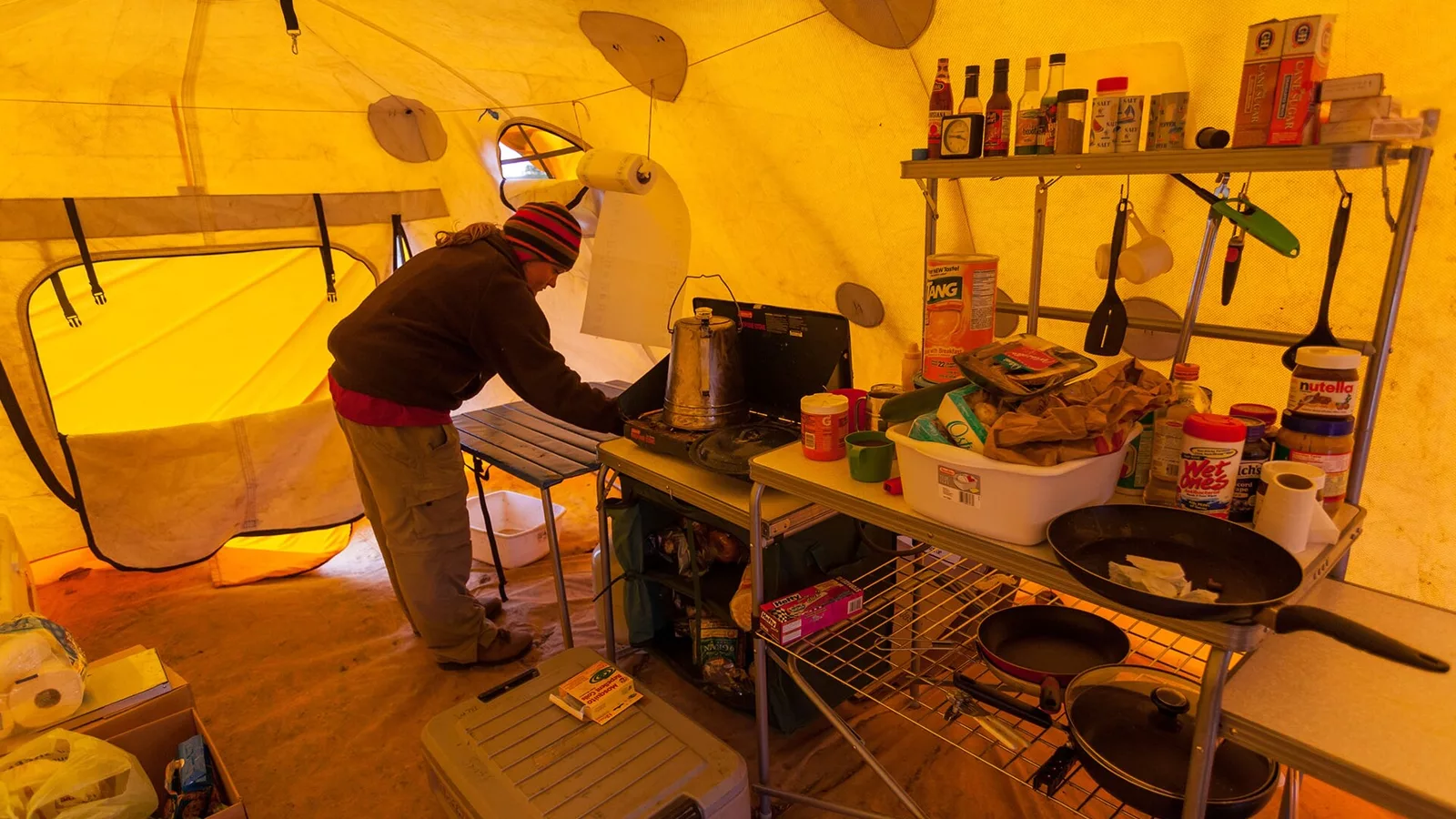
Food, trash, cookware, coolers, and scented items must follow local storage rules. A normal cooler is not automatically bear-resistant. Use provided lockers, approved bear-resistant containers, or other required methods. Never keep food in the tent.
Clean spills immediately, secure food whenever it is unattended, and pack out waste. Do not burn food scraps. Regulations vary by park and can change with wildlife activity, so check the official site shortly before departure.
Common Mistakes
Planning every meal around a campfire
Fire restrictions or weather can remove that option. Maintain a legal backup.
Bringing ingredients without equipment
Confirm the opener, pot, stove, fuel, knife, cutting surface, and clean water required for each meal.
Packing warm food into the cooler
Pre-chill ingredients and use adequate cold sources.
Taking too much fresh food
Large menus create leftovers, waste, and wildlife odors. Count actual camp meals.
Forgetting an emergency meal
A storm, late arrival, or stove problem should not leave the group without food that can be eaten safely.
Pre-Trip Food Checklist
- Count people, meals, snacks, and dietary needs.
- Confirm potable water and cooking fuel.
- Check fire and wildlife-storage rules.
- Match every meal to cookware and cleanup needs.
- Pre-chill perishables and pack a cooler thermometer.
- Separate raw and ready-to-eat foods.
- Label repackaged ingredients and allergens.
- Add one simple shelf-stable delay meal.
- Plan secure trash and leftover storage.
Food is only one packing category. Cross-check it against the complete weekend camping packing list so the stove, fuel, water containers, lighting, and cleanup supplies travel with the ingredients that depend on them.
Frequently Asked Questions
How much food should I bring camping?
Plan each meal and snack by person, then add a modest delay buffer. Activity, weather, age, and trip type matter more than a single universal daily quantity.
What food is easiest for beginner campers?
Familiar breakfasts, wraps, one-pot dinners, whole fruit, packaged snacks, and a shelf-stable backup are easier than multi-pan recipes.
Can I bring raw meat camping?
Yes, when you can keep it at 40°F or below, prevent leaks and cross-contamination, and cook it to the USDA minimum internal temperature. Eat it early in the trip.
Should I cook food at home first?
Home preparation reduces campsite handling and cooking time, but cooked food remains perishable. Cool it promptly, transport it cold, and reheat it safely.
What food should stay out of the tent?
All food and scented items should stay out of the tent and follow local wildlife-storage rules, including snacks, trash, cookware, toothpaste, and pet food where applicable.
Final Takeaway
Bring a small, deliberate menu rather than a random box of groceries. Combine an early-trip cooler meal with simple breakfasts, portable lunches, one-pot dinners, useful snacks, and a shelf-stable backup. Verify refrigeration, water, fuel, cookware, fire rules, and wildlife storage before shopping. Food that fits the trip is easier to cook, safer to eat, and easier to pack out.
Sources and Further Reading
- USDA Food Safety and Inspection Service, Food Safety While Hiking, Camping & Boating.
- U.S. National Park Service, Cooking in Camp.
- U.S. National Park Service, What to Bring — Camping.
- CDC, Water Treatment While Hiking, Camping, and Traveling.