
Practical Camping Guide
How to Clean a Camping Stove Safely
To clean a camping stove, turn it off, disconnect fuel only as its manual directs, and let every part cool outdoors. Remove grates and drip trays, brush away dry debris, wash removable non-fuel parts with mild dish soap, wipe the stove body with a damp cloth, and dry everything completely. Never immerse valves, regulators, hoses, pumps, piezo igniters, or fuel connections unless the manufacturer explicitly permits it.
 By Danny WalkerUpdated 12 min read
To clean a camping stove, turn it off, disconnect fuel only as its manual directs, and let every part cool outdoors. Remove grates and drip trays, brush away dry debris, wash removable non-fuel parts with mild dish soap, wipe the stove body with a damp cloth, and dry everything completely. Never immerse valves, regulators, hoses, pumps, piezo igniters, or fuel connections unless the manufacturer explicitly permits it.
Cleaning methods differ by stove. A propane two-burner stove, butane cassette unit, upright canister burner, liquid-fuel stove, and alcohol burner do not share the same service procedure. Read the model manual before removing jets, generators, fuel lines, wicks, or seals. A toothpick, wire, or drill bit can enlarge a precision orifice and create an unsafe flame.
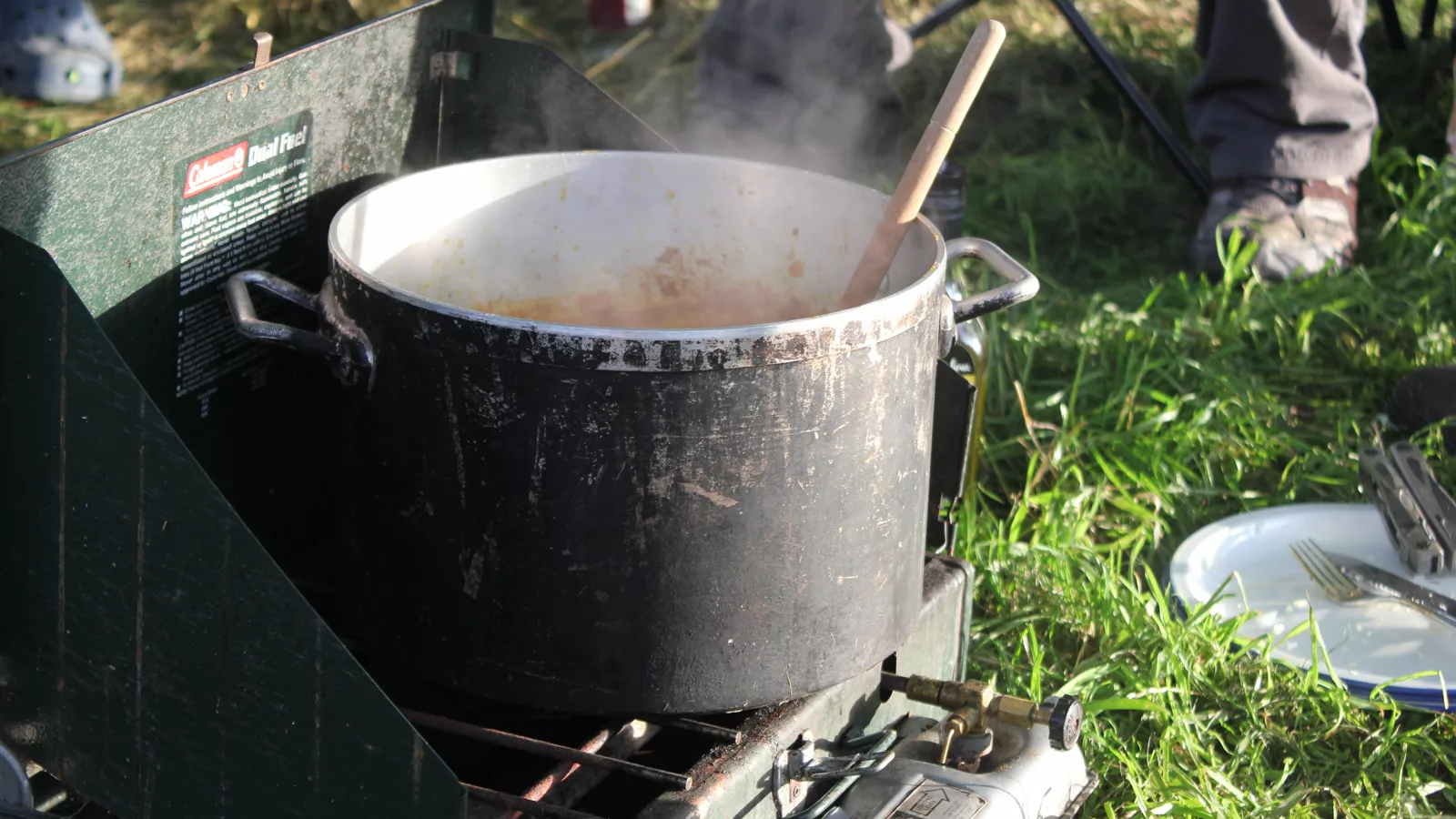
Decide What Level of Cleaning You Need
| Condition | Action | Stop and service or replace when |
|---|---|---|
| Crumbs and light splatter | Cool, brush, mild-soap wipe, dry | Damage becomes visible |
| Greasy grate or drip tray | Remove if allowed, wash separately | Coating peels or metal cracks |
| Clogged or uneven burner | Follow model-specific burner procedure | Orifice requires unapproved probing |
| Liquid-fuel spill | Extinguish, isolate, absorb outdoors, follow fuel instructions | Fuel entered controls or insulation |
| Yellow, lifting, or irregular flame | Shut down; inspect only per manual | Cleaning does not restore specified flame |
| Gas odor or hissing | Do not ignite; disconnect if safe and follow leak guidance | Leak persists or components are damaged |
| Corrosion, cracked hose, hardened seal | Do not use | Qualified repair or approved part is required |
Cleaning removes food and soot. It does not repair a regulator, certify a hose, restore damaged threads, or make a recalled stove safe. Search the relevant recall database and contact the manufacturer when a safety component is questionable.
Gather a Small, Nonabrasive Kit
Useful supplies include a soft brush, nylon detail brush, microfiber cloths, warm water, mild dish soap, cotton swabs if the manual allows them, absorbent material for spills, gloves, and a towel. Some stove makers include a jet tool, cable, pump lubricant, or wrench; use it only for the specified model and task.
Avoid steel wool, oven cleaner, carburetor cleaner, compressed air, aggressive degreaser, bleach, flammable solvent, and unlabeled chemicals unless the stove instructions specifically require a product. Abrasives can remove protective finishes. Solvent can damage seals and create ignition hazards. High-pressure air may drive debris deeper or damage components.
Work outdoors in daylight, away from tents, vehicles, ignition sources, children, pets, and food. Create a tray for small approved parts so a jet or O-ring does not disappear into soil. Take a photo before disassembly and never go deeper than the user-serviceable steps in the manual.
Universal Cleaning Procedure
1. Shut down and cool completely
Close the burner valve and fuel valve in the order specified. Let the stove, cookware supports, windscreens, generator, and fuel connection reach ambient temperature. A burner can remain hot after the flame disappears.
2. Remove fuel correctly
Disconnect a propane cylinder, threaded canister, cassette, or liquid-fuel bottle only where and when the manual instructs. Do it outdoors, away from flame and sparks. Do not deliberately vent fuel to “empty” a line unless the documented shutdown procedure requires a controlled burn-off.
3. Inspect before adding water
Look for leaks, cracks, corrosion, melted parts, loose hardware, damaged threads, brittle seals, blocked vents, and spilled fuel. Smell or hissing means stop. Cleaning a leaking stove is not the next step; isolate people from the hazard and follow manufacturer or emergency guidance.
4. Remove dry debris
Lift removable grates and trays. Brush crumbs and ash into trash rather than washing them into soil or a waterway. Keep debris away from burner holes, valve shafts, and fuel inlets.
5. Wash approved removable parts
Use warm water and a small amount of mild dish soap. A nylon brush loosens cooked-on food without scratching most finishes. Rinse only if allowed, then towel and air-dry completely. Bare cast iron, specialty coatings, and aluminum parts may require different care.
6. Wipe the stove body
Use a damp—not dripping—cloth. Keep water out of valves, hoses, pumps, regulators, igniters, and fuel passages. Wipe soap residue with a separate clean damp cloth, then dry.
7. Service the burner only as documented
Some burners lift out for brushing; some jets use a built-in shaker needle; some liquid-fuel generators accept a cleaning cable. Others are factory-service items. Never enlarge ports or substitute a sewing needle for a calibrated tool.
8. Reassemble and perform required checks
Reinstall only dry parts in the correct orientation. Use approved replacement seals and specified torque—never force threads. Conduct the manufacturer's leak check outdoors before lighting. Perform a short test burn outdoors and shut down if flame is abnormal.
Cleaning a Propane or Butane Camp Stove
Remove the cylinder or cassette after shutdown and cooling, following the manual. Take off approved grates, burner caps, and drip pans. Wash greasy removable parts, but keep regulator, valve, hose, canister compartment mechanism, and igniter dry unless directed otherwise.
On a cassette butane stove, clear food from ventilation openings and inspect the canister latch and locating mechanism without lubricating or bending them. Never defeat the pressure-sensing or ejection system. Oversized pans that covered the canister compartment may have caused heat damage; discontinue use if plastic, seals, or metal show distortion.
For propane systems, inspect the cylinder interface, O-ring or seal where user-visible, regulator tube, and hose. Replace only with manufacturer-approved parts. The distinctions in propane vs butane camping stoves help identify the connection you actually have.
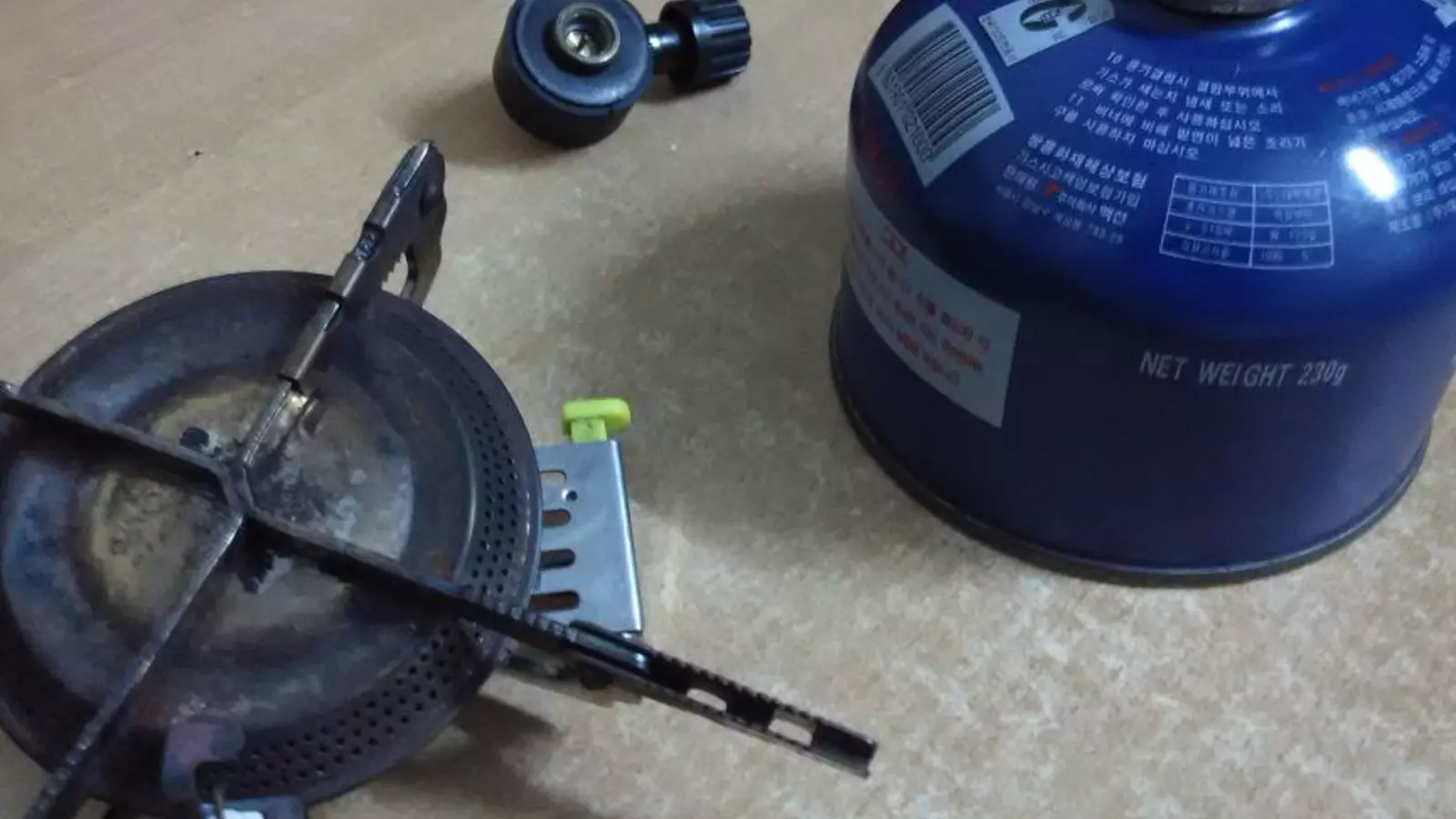
Cleaning a Backpacking Canister Stove
Detach the canister outdoors once the valve is closed and the stove is cool. Fold supports only after removing grit that could score hinges. Brush burner ports gently from the exterior. If the model has a piezo electrode, do not bend it or alter the specified spark gap.
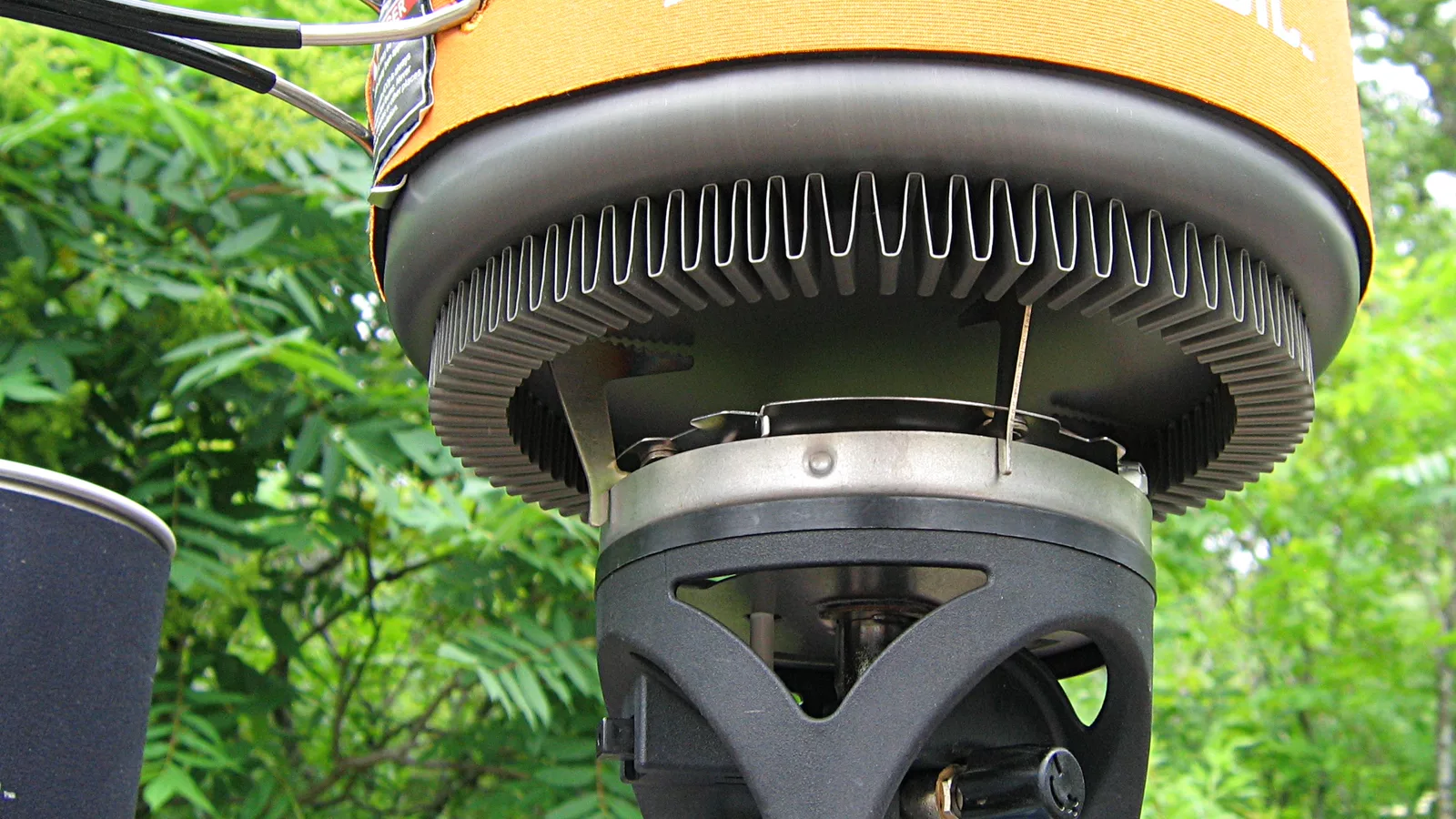
An integrated pot system may have a heat-exchanger skirt and locking interface that collect food. Clean the pot according to its instructions separately from the burner. Do not submerge a burner head simply because the pot is washable.
Upright stove threads and sealing surfaces must remain clean and undamaged. Do not oil them unless instructed; lubricant can attract grit or affect seals. If the stove cross-threaded, leaked, or suffered a hard fall, have it assessed instead of relying on cleaning.
Cleaning a Liquid-Fuel Stove
Liquid-fuel equipment has model-specific pumps, bottles, generators, jets, and priming systems. Depressurize and disconnect only by the manual outdoors, away from ignition. Wipe spills with absorbent material and manage it as required for the fuel and local rules. Do not pour residue onto soil, into a fire ring, or down a storm drain.
Use only the supplied or approved jet needle, cable, or wrench. A blocked generator may require a documented cleaning cycle or replacement. Inspect pump cups and O-rings; apply only the specified lubricant in the specified amount. Mixing up jets designed for different fuels can change combustion.
After service, conduct the maker's pressure and leak checks outdoors without open flame. A brief flare may be part of some documented priming procedures, but unexpected persistent flame, fuel at a connection, or smoke requires immediate shutdown.
Cleaning an Alcohol or Wood-Burning Stove
Allow alcohol to burn out only as intended, or extinguish it with the stove's approved snuffer. Never pour fuel back from a hot burner. Alcohol flames can be difficult to see; verify the unit is cold before touching. Wipe the exterior and clear documented ports with the maker's tool only. Do not mix alcohol fuel with cleaning chemicals.
A wood-burning stove produces ash and soot. Let it become cold, collect ash according to land-manager rules, and brush the combustion chamber outdoors. Keep ash out of waterways. Clean soot from approved pot surfaces separately and inspect metal panels for warping or sharp edges. Fire restrictions may prohibit wood-burning stoves even when gas stoves with shutoff valves are allowed.
Remove Grease, Soot, and Burned Food
Soften food residue on removable washable parts with warm soapy water rather than attacking it with metal. Repeat short washes and a nylon brush. Do not soak a full stove body. For stubborn soot, follow cookware and stove finish guidance; soot is not permission to use oven cleaner.
Grease inside a burner or valve is different from grease on a drip tray. Stop disassembly at the manual's user-service boundary. Internal contamination may need authorized service. If a boil-over entered an inaccessible manifold or ignition housing, contact the maker and do not test-fire until assessed.
Avoid coating the stove in cooking oil after cleaning. Oil attracts dirt, can smoke, and may damage finishes. Apply lubricant only to parts explicitly identified in the service instructions.
What to Do After a Fuel Spill
Extinguish flames and eliminate ignition sources if safe. Move people upwind and keep them out of the area. For pressurized gas, do not operate electrical switches nearby; follow emergency and supplier directions. For liquid fuel, prevent spread with compatible absorbent material and use local hazardous-waste procedures.
Do not resume cooking because the surface “looks dry.” Fuel may remain in seams or porous cases. Ventilate outdoors, inspect the stove and storage case, and consult the manual. Replace fuel-contaminated porous material when it cannot be safely cleaned. Never bring the stove inside to dry.
Dry, Test, and Store
Air-dry all cleaned parts fully outdoors or in an appropriate non-operating workspace. Water remaining in burner ports or steel seams can cause poor flame or corrosion. Reassemble with correct parts, check stability, and perform the documented leak test outdoors. Never use a match or lighter to find a leak.
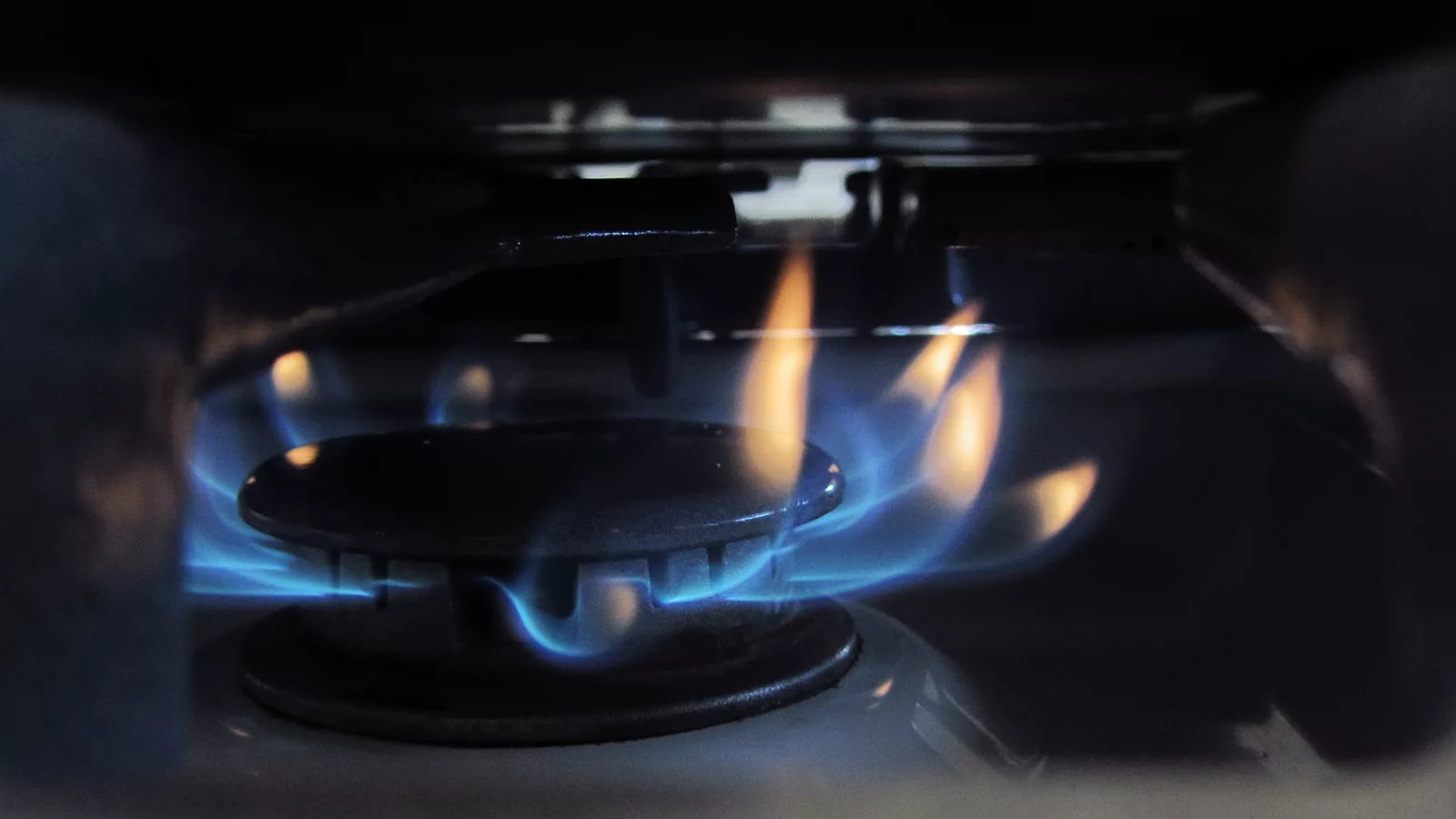
Run a brief outdoor test with correct cookware clearance. A stable flame matching the manual is the goal. Yellow tips may occur for model-specific reasons, but persistent yellowing, lifting, popping, flame beneath the burner, soot, or gas odor means shut down and troubleshoot through official guidance.
Store the clean, dry stove protected from dust and impact. Store fuel separately as labels and local rules require, away from heat and occupied living areas. Never use the stove indoors during a test; see can you use a camping stove indoors? for the CO boundary.
Cleaning Schedule
- After every trip: remove crumbs, wipe spills, wash approved trays and grates, dry, inspect.
- After a boil-over: shut down, cool, and clean before residue reaches burner passages.
- Before a long trip: inspect seals, connection, supports, flame pattern, and recall status.
- After dusty or coastal use: remove grit and salt from exterior moving parts per manual.
- At the manual's service interval: perform approved pump, generator, seal, or jet maintenance.
- After storage: inspect for insects, corrosion, hardened seals, and hose damage before fuel connection.
Integrate this check into the broader workflow in how to set up a camp kitchen, keeping stove maintenance separate from food preparation.
Common Mistakes
- Cleaning before the stove is fully cool.
- Leaving fuel attached while scrubbing.
- Immersing the entire stove or regulator.
- Clearing a jet with wire, a pin, or a drill bit.
- Spraying solvent into valves or burner tubes.
- Swapping jets, O-rings, or regulators between models.
- Lighting indoors to “dry it faster.”
- Assuming cleaning repairs a leak or damaged hose.
- Reassembling damp parts and sealing them in a case.
- Ignoring a product recall because the flame still lights.
Pre-Trip Stove Checklist
- Correct manual downloaded or packed
- Stove clean, dry, and complete
- Burner ports and air openings visibly unobstructed
- Supports deploy and lock correctly
- Hose, regulator, pump, seals, and threads undamaged
- Correct approved fuel and connection confirmed
- Outdoor leak check completed as instructed
- Flame test normal outdoors
- Ignition backup packed
- Current fire restrictions checked
- Stable outdoor cook surface planned
Choosing the right platform can reduce cleaning complexity. Compare formats in camping stove vs backpacking stove, then match cookware and menu through how to cook while camping.
Frequently Asked Questions
Can I wash a camping stove with water?
Wash only removable parts the manual identifies as washable. Wipe the body with a damp cloth. Do not immerse valves, regulators, hoses, pumps, igniters, or fuel passages unless explicitly permitted.
Can I unclog burner holes with a needle?
Not unless the maker specifies that exact tool and method. A needle can enlarge a calibrated port, change the fuel-air mixture, and create an unsafe flame. Use the model's cleaning needle or obtain service.
Why is my stove flame yellow after cleaning?
Moisture, misplaced burner parts, blockage, wrong fuel, or a fuel-air problem may be involved. Shut down, let it cool, verify assembly and fuel from the manual, and seek service if the abnormal flame persists.
Should I oil stove hinges and valves?
Only apply a manufacturer-approved lubricant to parts identified in the service instructions. Household oil can attract grit, migrate into fuel components, smoke, or damage seals.
How often should I clean my camping stove?
Wipe it after each trip and clean spills promptly. Perform deeper model-specific maintenance at the manual's interval or when flame behavior changes. Frequent dusty, greasy, or coastal use can require more exterior attention.
Can I pressure-wash a large camp stove?
No unless the manufacturer explicitly allows it. Pressure can drive water and debris into valves, manifolds, igniters, seams, and regulator components.
Bottom Line
Clean a camping stove only when cold and fuel-free according to its manual. Brush first, wash approved removable parts, damp-wipe the body, keep fuel components dry, and never improvise on precision jets or seals. Reassemble completely dry, leak-check by the documented method, and test outdoors. When damage, leakage, abnormal flame, or internal contamination remains, stop cleaning and move to qualified service or replacement.
Authoritative References
- U.S. Consumer Product Safety Commission, portable gas appliance, fuel container, product recall, and carbon monoxide guidance.
- U.S. National Park Service, outdoor stove and current fire-restriction guidance.
- U.S. Environmental Protection Agency and local authorities, household hazardous-waste and spill-disposal guidance.
- The exact stove and fuel manufacturers' current cleaning, maintenance, parts, and leak-test instructions.