Practical Camping Guide
How Much Water Do You Need for Camping?
For mild-weather car camping, start with 1 gallon (3.8 liters) per person per day for drinking and basic cooking, then add water separately for dishes, handwashing, and other hygiene. Increase drinking capacity for heat, strenuous activity, altitude, illness, pregnancy, or limited shade. This is a planning baseline, not a medical prescription; individual needs vary, and carrying too little can become dangerous.
 By Danny WalkerUpdated 10 min read
For mild-weather car camping, start with 1 gallon (3.8 liters) per person per day for drinking and basic cooking, then add water separately for dishes, handwashing, and other hygiene. Increase drinking capacity for heat, strenuous activity, altitude, illness, pregnancy, or limited shade. This is a planning baseline, not a medical prescription; individual needs vary, and carrying too little can become dangerous.
The most reliable calculation is: drinking + cooking + hygiene + emergency reserve − dependable resupply. Never subtract a stream, campground tap, or seasonal spring until its availability and treatment requirements are confirmed immediately before the trip.
Quick Planning Table
| Water use | Mild car-camping starting point per person/day | Notes |
|---|---|---|
| Drinking | 2–3 L (0.5–0.8 gal) | Increase with heat and activity |
| Cooking and hot drinks | 0.5–1 L | Menu determines the total |
| Handwashing/basic hygiene | 1–2 L | Use controlled-flow containers |
| Dishwashing | 0.5–1.5 L | One-pot meals reduce demand |
| Emergency reserve | Trip-specific | Protect separately from daily use |
These categories can exceed one gallon when cooking and washing are water-intensive. Conversely, a backpacker may carry less at once only because verified sources allow safe treatment and resupply—not because the body needs less.
Use the Four-Bucket Formula
Write four numbers for each person and day:
- Drinking: normal hydration plus heat and activity adjustment.
- Cooking: exact recipe water, including drinks.
- Hygiene: hands, teeth, dishes, and any site-specific needs.
- Reserve: enough for a realistic delay or failed source.
Add the group totals, then subtract only reliable treated or treatable resupply. Convert with 1 U.S. gallon = 3.785 liters and 1 liter = 0.264 gallon. Round upward to container sizes; three 5-liter containers hold 15 liters, not the 16 liters a worksheet may require.
Drinking Water Is Personal
Age, body size, diet, health, medication, pregnancy, acclimatization, and sweating change fluid needs. Thirst is useful but may lag during intense heat or exertion. Drink regularly and observe urine, symptoms, and official heat guidance without forcing extreme volumes.
Overhydration can also be dangerous. Drinking very large volumes rapidly without replacing electrolytes lost through prolonged sweating can contribute to hyponatremia. Do not follow rigid hourly amounts beyond personal needs; for strenuous or medical situations, use qualified guidance.
Adjust for Heat, Activity, and Altitude
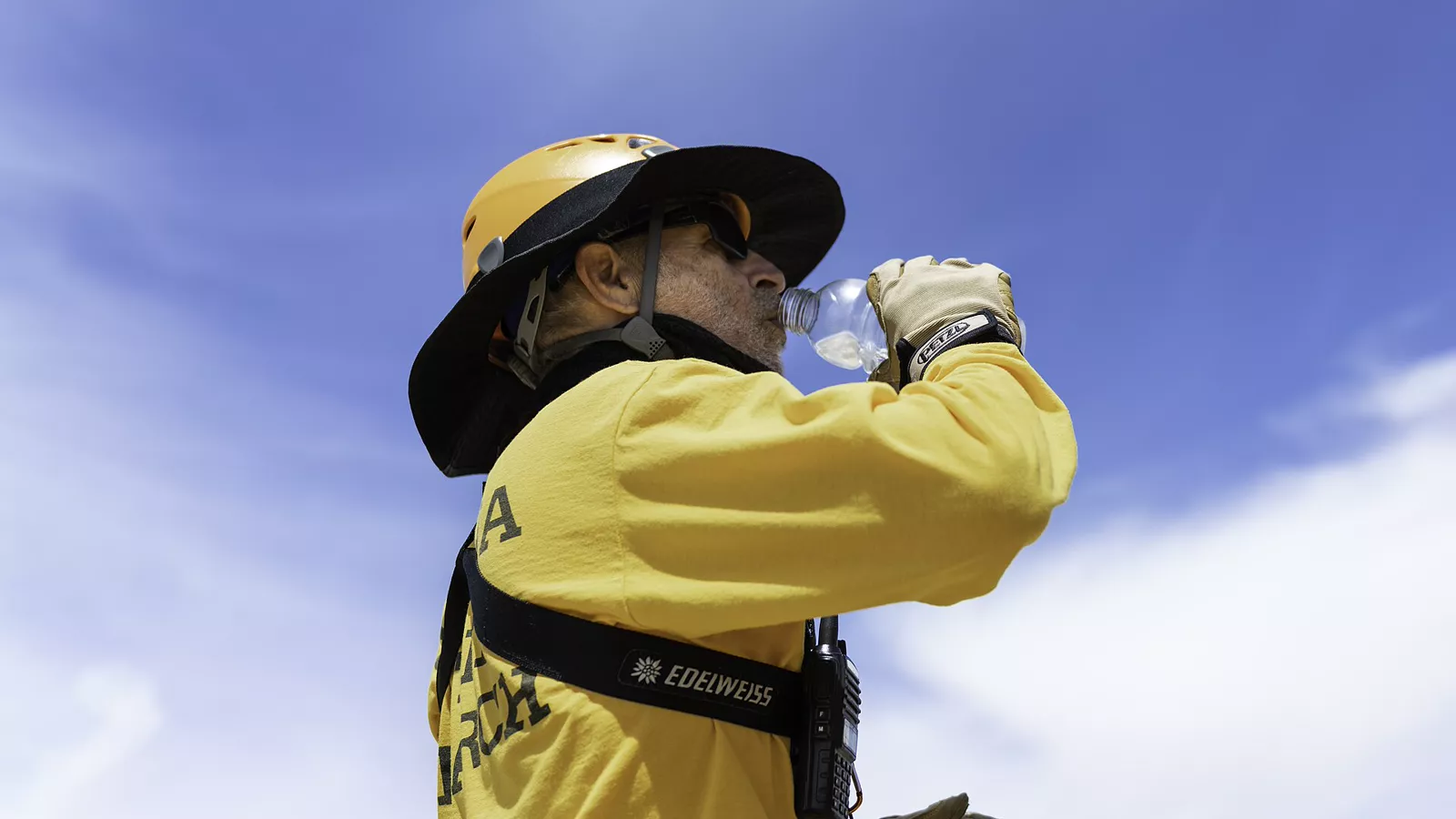
Heat and direct sun increase sweating. Carry more, schedule activity for cooler hours, use shade, and reduce exertion when warnings are issued. Water planning cannot make severe heat safe. Know heat-exhaustion and heat-stroke signs and the emergency response for the location.
Hiking with elevation gain, paddling, cycling, and heavy camp work need more drinking water than sitting at a shaded site. Test personal consumption on comparable day trips, then add margin. Cold air can hide sweat and suppress thirst, so winter trips still require deliberate hydration and a method to prevent freezing.
At altitude, dry air and increased breathing can raise losses. Acclimatize gradually and follow altitude-illness guidance; water does not prevent or cure serious altitude illness.
Calculate Cooking Water From the Menu
List every recipe and its exact water: oatmeal, pasta, rice, dehydrated meals, coffee, tea, and powdered drinks. Add water absorbed by food and water discarded after cooking. Absorption-style pasta and couscous use less than meals requiring a large drain pot.
Example daily cooking total for one person might be 350 mL for oatmeal and coffee, zero for a no-cook lunch, and 600 mL for dinner and a hot drink: 950 mL. Multiplying a vague “one liter” would be close here, but a different menu could need half or twice as much.
Easy camping meals for beginners provides low-water meal frameworks. Never use untreated water in food merely because it will be warmed; follow a validated treatment method and required boil time.
Calculate Hygiene Separately
Handwashing before cooking and eating, after restroom use, and after raw-food handling is not optional. A narrow-spout container or foot-pump station uses less water than an open jug. Include teeth cleaning and any individual medical hygiene.
For dishes, scrape food into trash, use minimal soap, wash in basins, and strain wastewater. Follow local disposal rules; never wash directly in lakes or streams. One-pot meals and personal bowls reduce demand.
How to set up a camp kitchen explains clean and dirty zones. How to camp without running water covers container and conservation systems.
Worked Example: Two-Person Car Camp
Two adults camp for two full mild days with no tap:
- Drinking: 2.5 L × 2 people × 2 days = 10 L.
- Cooking: 0.8 L × 2 × 2 = 3.2 L.
- Hygiene and dishes: 1.5 L × 2 × 2 = 6 L.
- Reserve: 4 L shared.
- Total: 23.2 L, rounded to 24 L (6.3 gallons).
They could pack two 10-liter containers plus two 2-liter bottles, distributing weight and preserving reserve if one leaks. Hot weather or hiking would increase the drinking category before departure.
Worked Example: Family Weekend
Two adults and two children arrive Friday evening and leave Sunday morning. Count two dinners, two breakfasts, one lunch, and roughly 1.5 full days rather than three calendar days.
Use individual drinking estimates based on normal consumption, activity, and pediatric guidance rather than counting every child as half an adult. Suppose group drinking totals 10 L, cooking 5 L, handwashing/dishes 8 L, and reserve 5 L. The family needs 28 L (7.4 gallons).
Divide it among manageable containers. A 20-liter cube weighs about 20 kilograms (44 pounds) when full and may be difficult to lift. Smaller containers also prevent one puncture from losing the entire supply.
Worked Example: Backpacking With Resupply
A solo backpacker has two reliable sources 8 miles apart. Estimated consumption for that hot segment is 3 L drinking plus 0.7 L cooking and a 0.5 L safety margin: 4.2 L carrying capacity. Hygiene is minimal and wastewater handled under local rules.
The hiker confirms sources with current ranger information, carries a treatment method plus backup, and does not count map symbols as guaranteed flow. If a source is dry, contaminated beyond the treatment system, or inaccessible, the route plan changes.
Treatment Does Not Create Water
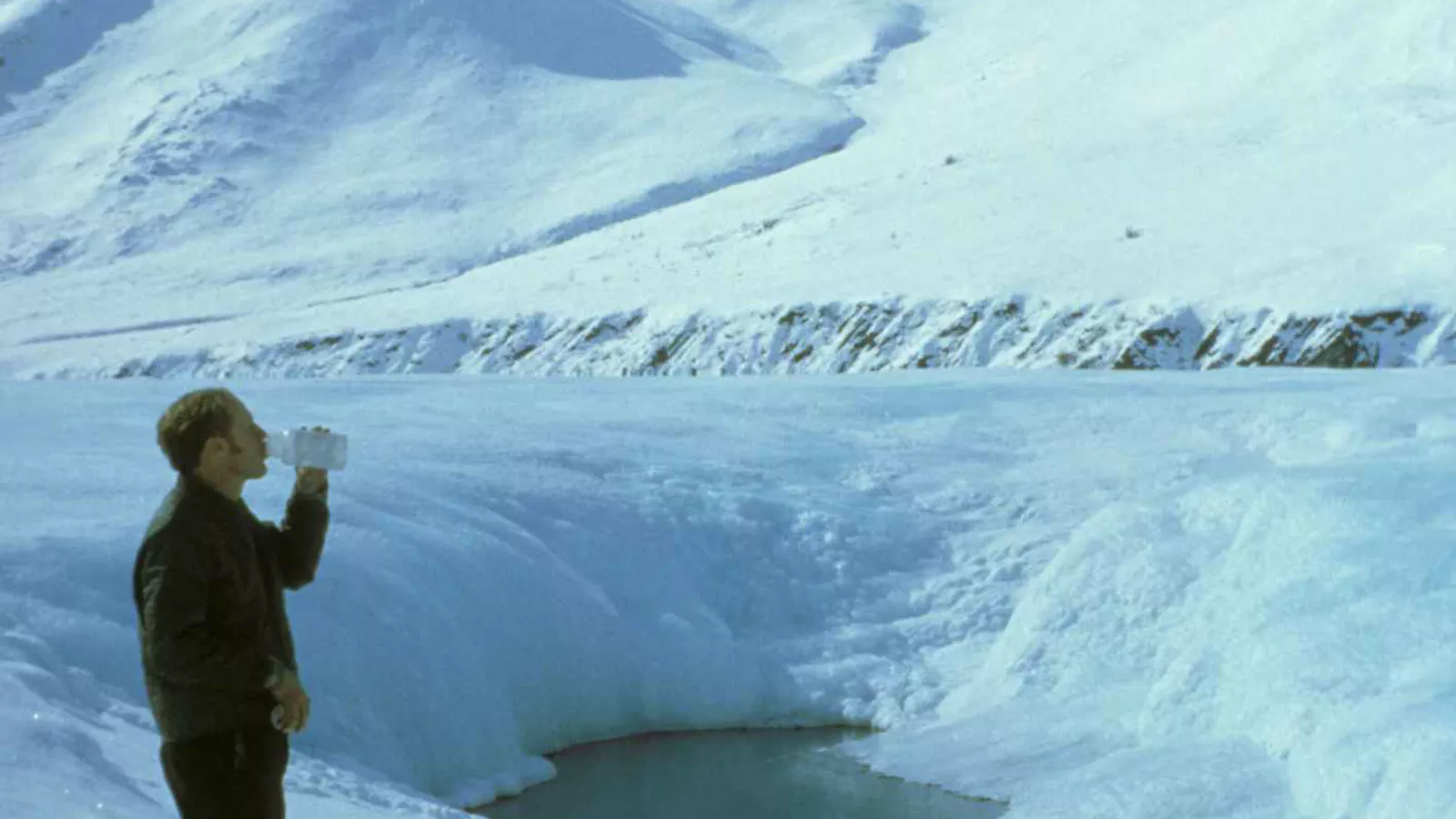
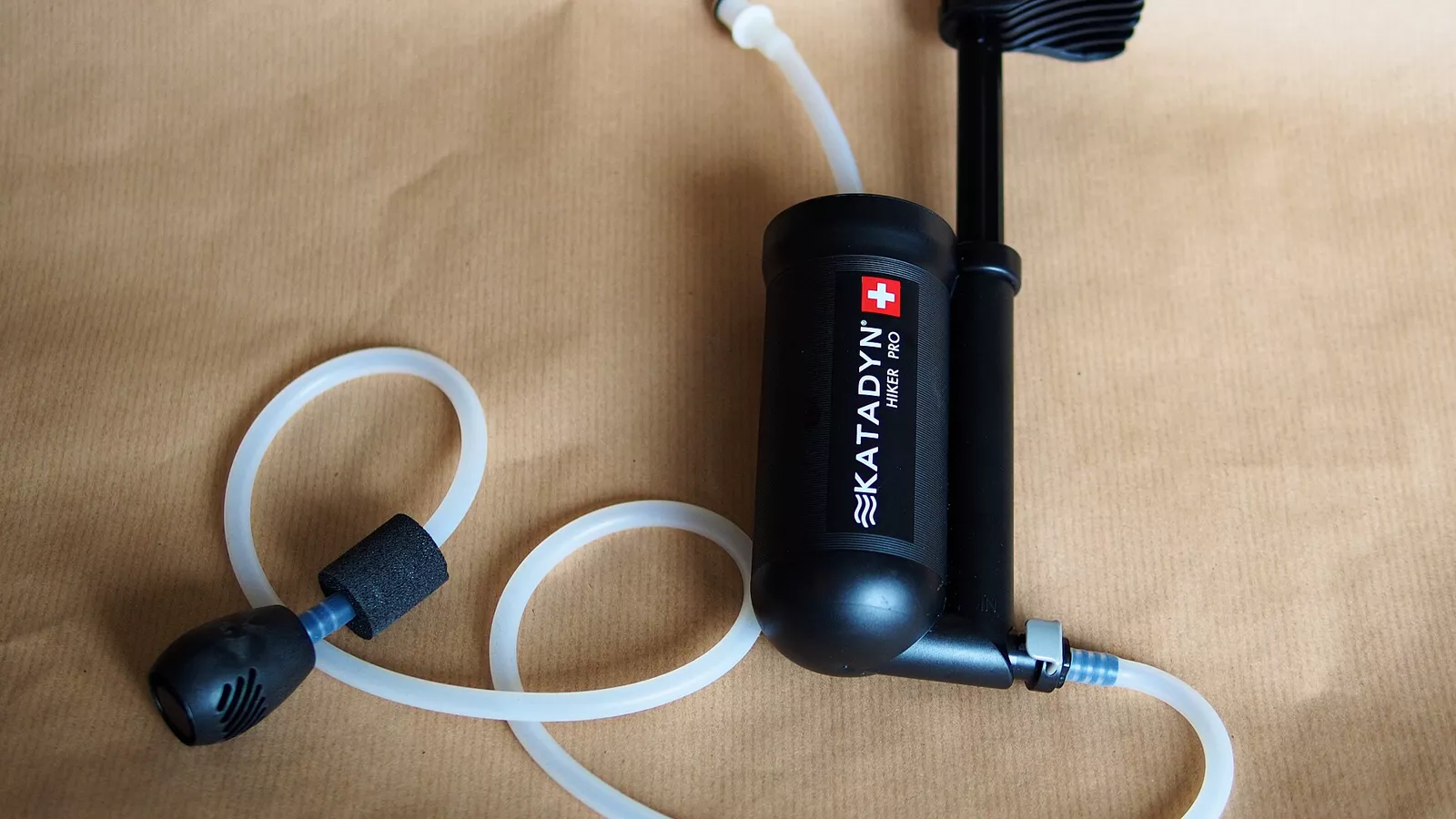
Filters, chemicals, ultraviolet devices, and boiling address different hazards and have limits. A filter may remove protozoa and bacteria but not viruses or dissolved chemicals unless specifically designed and verified. Turbid water can require settling or prefiltering. Freezing can damage some hollow-fiber filters without visible evidence.
Follow current CDC, NPS, and manufacturer instructions for the destination. Carry a backup treatment method and enough capacity to transport water from the source to camp. Never drink untreated surface water because it looks clear.
Campground Taps Are Not Guaranteed
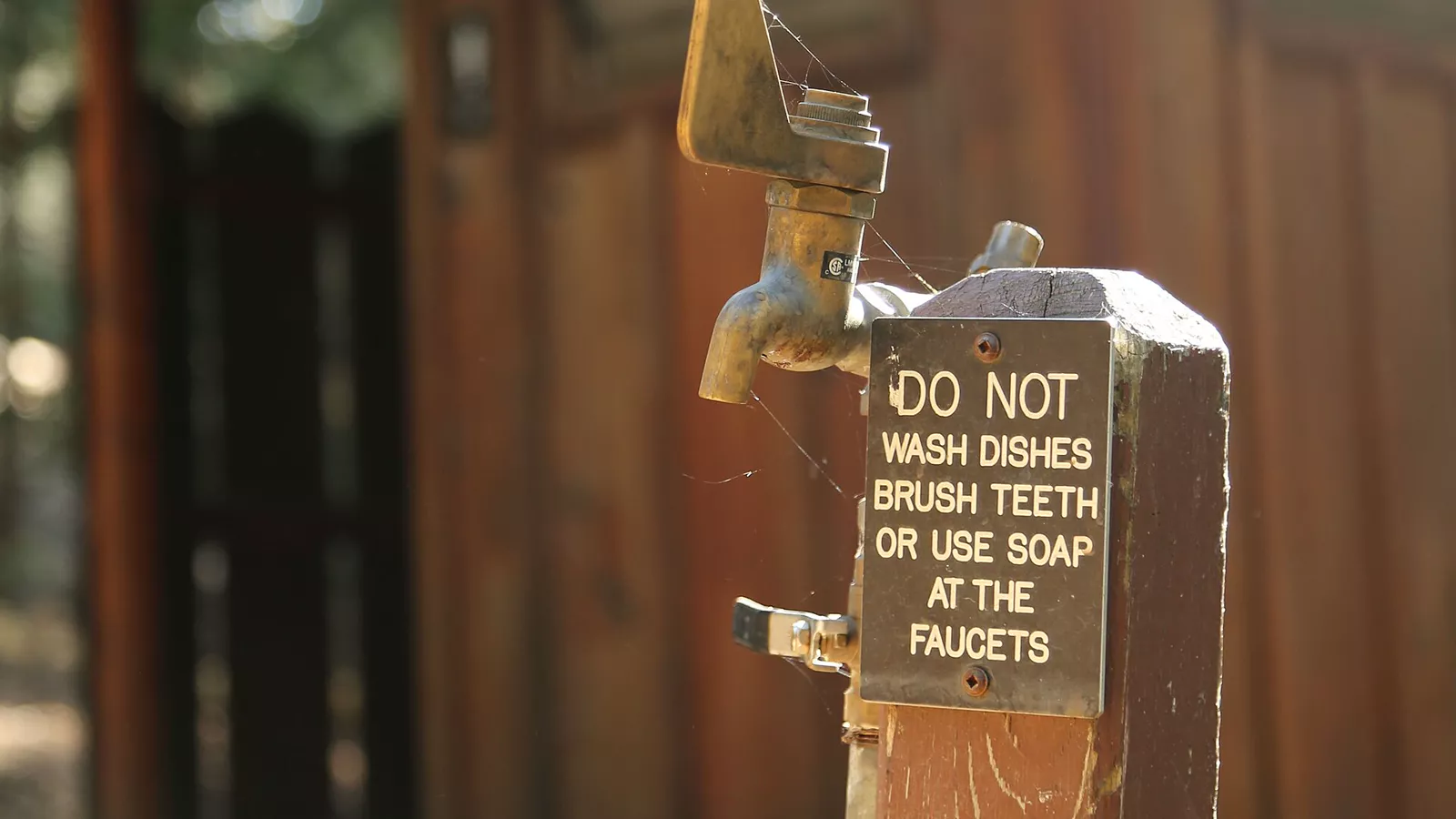
Check whether water is potable, seasonal, under a boil advisory, or shut off. Confirm close to departure and read posted notices on arrival. Do not connect hoses or wash dishes directly at a shared spigot when prohibited; fill a container and return to the site.
Bring an arrival supply even when a campground advertises water. Maintenance failures and contamination notices happen. Keep treated and untreated containers visibly distinct.
Emergency Reserve and Container Redundancy
Size reserve for delayed departure, spilled water, a failed source, or hot weather—not an arbitrary percentage. Remote travel needs more margin than a campground beside town. Protect reserve from casual use and review it at fixed checkpoints.
Use multiple food-grade containers. Label drinking, untreated, and wash water. Secure caps upright in the vehicle, protect soft reservoirs from sharp gear, and sanitize containers according to official guidance. Do not reuse chemical, fuel, or non-food containers.
Water and Food Safety
Safe water is required for drinking, cooking, brushing teeth, handwashing, and cleaning food-contact surfaces. Using untreated water for dishes can recontaminate clean utensils. Keep the drinking-container outlet away from dirty hands and wastewater.
Plan food quantity and water quantity together. Extra dry meals may appear to be a sensible emergency buffer but can demand more treatment time, fuel, and water than the reserve supports. A no-cook reserve reduces that dependency. Use how much food to bring camping to align meal events, delay food, and exact recipe water rather than building two unrelated packing lists. On departure morning, retain drinking water until tents are down and the vehicle or route is ready; packing every bottle early creates unnecessary exposure during final work.
Water does not replace cooler ice. USDA advises keeping cold food at 40°F (4°C) or below. How to keep food safe while camping explains cold-chain and cross-contamination controls.
Common Mistakes
Applying one gallon to every situation
One gallon is a mild car-camping baseline. Heat, hiking, cooking, washing, and medical factors change it.
Counting a source without verification
Seasonal water and campground taps can fail. Confirm current status and retain a backup.
Forgetting recipe water
Dry foods and hot drinks can consume a large share. Calculate the menu line by line.
Carrying one giant container
It is heavy and creates a single failure point. Distribute volume among food-grade containers.
Assuming filtration solves everything
Treatment methods have organism, chemical, turbidity, and temperature limitations.
Conserving by skipping handwashing
Reduce flow and simplify meals instead of removing essential hygiene.
Drinking extreme amounts in heat
Both dehydration and overhydration are dangerous. Follow personal and official heat guidance.
Planning Checklist
- Count people and exact partial/full camp days.
- Estimate drinking needs individually.
- Adjust for heat, sun, altitude, and planned exertion.
- Total every recipe and beverage's water.
- Add handwashing, teeth, dishes, and medical hygiene.
- Verify each source, tap status, and treatment needs close to departure.
- Add route-specific emergency reserve.
- Round upward to actual container capacity.
- Split water among multiple food-grade containers.
- Label treated, untreated, drinking, and wash water.
- Carry treatment plus an appropriate backup.
- Know heat illness, dehydration, and overhydration warning signs.
Frequently Asked Questions
Is one gallon per person per day enough?
It is a reasonable mild car-camping starting point for drinking and basic cooking, but hygiene, heat, strenuous activity, and individual needs can push the total higher.
How much does water weigh?
One liter weighs about 1 kilogram (2.2 pounds). One U.S. gallon weighs about 8.34 pounds (3.78 kilograms), excluding the container.
How much water should I carry backpacking?
Carry enough to reach the next verified treatable source plus cooking needs and a safety margin. Distance alone is insufficient; consider heat, terrain, pace, and source reliability.
Can I drink campground tap water?
Only when the authority identifies it as potable and no advisory applies. Read current notices and do not assume every spigot is drinking water.
Does boiling make all water safe?
Boiling kills many pathogens when official time/elevation guidance is followed, but it does not remove fuel, metals, salts, or many chemical contaminants.
How much water should children drink?
Needs vary by age, size, activity, heat, diet, and health. Use pediatric guidance and normal experience rather than a fixed fraction of an adult amount.
Final Takeaway
Start mild car-camping plans at one gallon (3.8 L) per person per day for drinking and basic cooking, then calculate hygiene and reserve separately. Adjust drinking for heat and exertion, calculate recipes exactly, verify every resupply point, and carry redundant food-grade containers. The correct number is the result of the four-bucket worksheet—not a universal jug-per-person rule.
Sources and Further Reading
- U.S. National Park Service, trip-planning, heat safety, and drinking-water notices.
- U.S. Centers for Disease Control and Prevention, water treatment while traveling and recreating outdoors.
- U.S. Forest Service, hydration and heat-safety guidance.
- USDA Food Safety and Inspection Service, camping food and safe-water guidance.
- Wilderness Medical Society, practice guidance on exercise-associated hyponatremia and heat illness.