Practical Camping Guide
How Much Propane Do I Need for Camping?
For a two-person weekend using one camp-stove burner for roughly 60–90 minutes total, one full 1-pound propane cylinder may be enough, but two cylinders provide sensible redundancy. A family cooking several meals on two burners can use multiple pounds. The reliable method is to total each appliance's expected burner-hours, multiply by its fuel-use rate, then add a 20–30% planning reserve without exceeding safe transport or storage limits.
 By Danny WalkerUpdated 12 min read
For a two-person weekend using one camp-stove burner for roughly 60–90 minutes total, one full 1-pound propane cylinder may be enough, but two cylinders provide sensible redundancy. A family cooking several meals on two burners can use multiple pounds. The reliable method is to total each appliance's expected burner-hours, multiply by its fuel-use rate, then add a 20–30% planning reserve without exceeding safe transport or storage limits.
Do not use a universal “one cylinder per day” rule. A low breakfast simmer, a high-output water boil, a grill, a lantern, cold weather, and a group kitchen consume propane at very different rates. The appliance manual or data plate is the best source for fuel consumption. If it lists only BTU per hour, estimate from energy content and verify with an outdoor practice session.
Quick Planning Table
These ranges are starting points, not guarantees. They assume cooking only, moderate weather, simple meals, and no space heating.
| Trip pattern | Likely starting supply | Why |
|---|---|---|
| Solo, 2 nights, boil-focused meals | One 1-lb cylinder plus a backup plan | Short total burner time |
| Two campers, 2 nights, breakfast and dinner | One full 1-lb cylinder; second cylinder for redundancy | Typical single-burner use may fit, but wind and simmering vary |
| Family of four, 2 nights, two-burner cooking | 2–4 lb total after calculation | More burner-hours, larger water volumes, parallel dishes |
| Group base camp, 4–7 nights | Calculate for a refillable cylinder system | Many meals may make small cylinders inefficient |
| Cold or windy trip | Calculated amount plus larger reserve | Longer run times and pressure/performance effects |
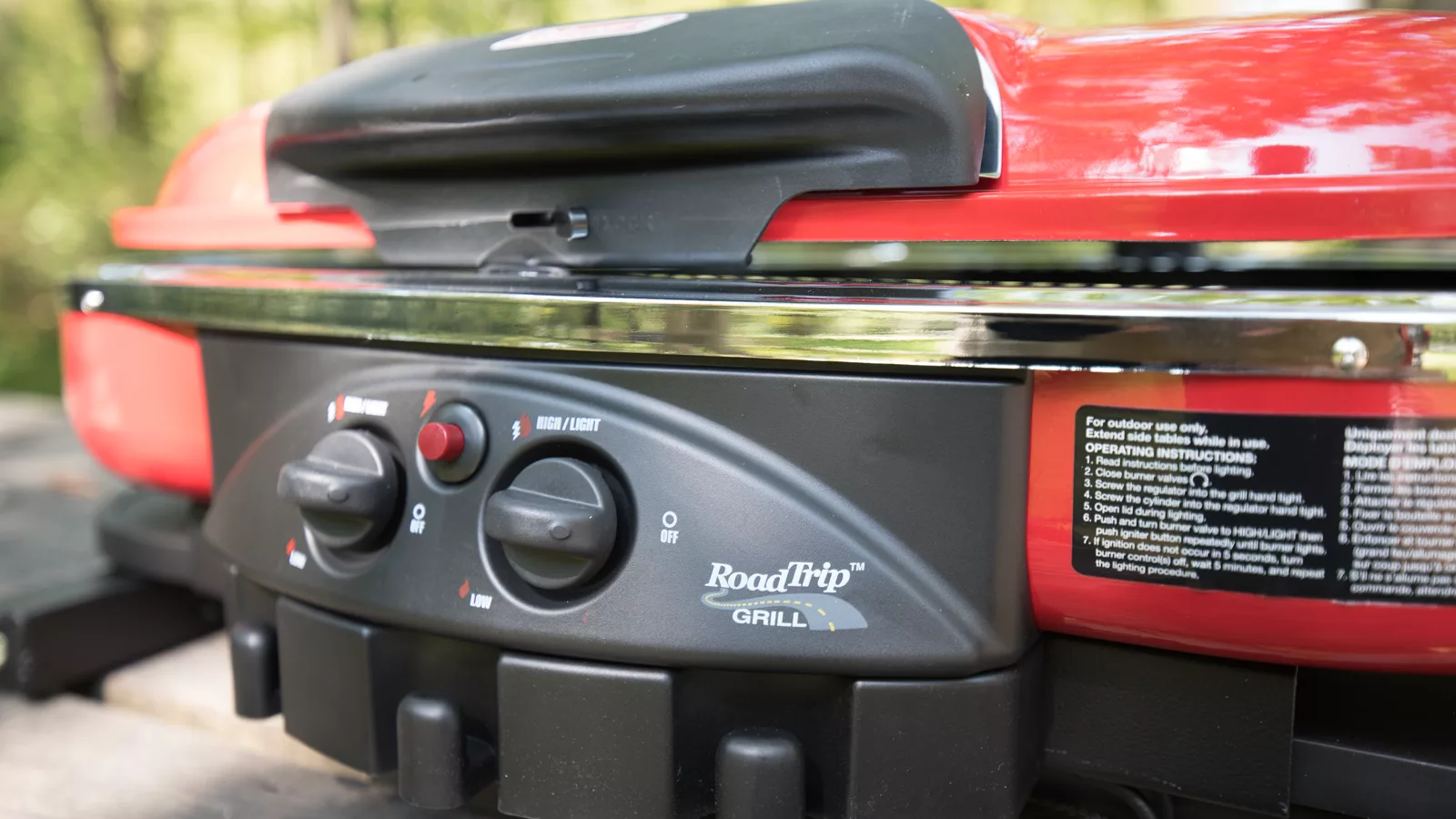
| Stove plus propane grill or lantern | Add each appliance separately | Shared fuel loads can dominate stove use |
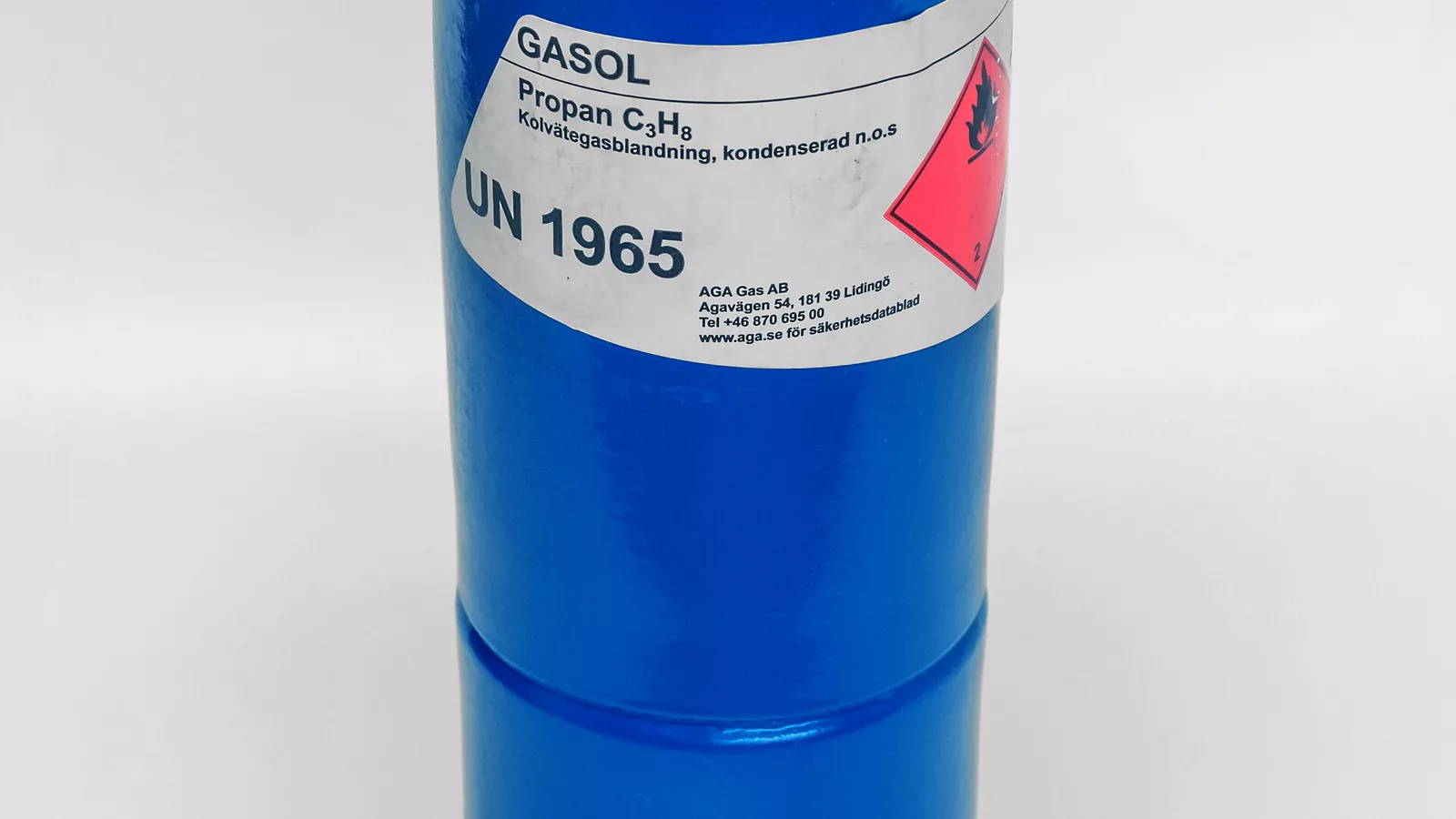
Never bring a refillable cylinder or hose merely because the table suggests several pounds. The stove must explicitly support that connection, regulator, and cylinder size. Compare fuel systems first in propane vs butane camping stoves.
The Most Accurate Formula
If the manual lists propane consumption in pounds per hour:
Propane needed (lb) = consumption rate (lb/hour) × hours used × number of simultaneously operating burners
Calculate appliances or burners separately when their rates differ. Then add the results and multiply by a reserve factor:
Trip supply (lb) = calculated propane × 1.20 to 1.30
Round up to a practical combination of compatible containers. Keep the reserve proportionate: it protects against wind, an extra hot drink, and estimation error; it is not permission to transport excessive cylinders.
If the appliance lists input only in BTU/hour, a planning estimate can use propane at approximately 21,500 BTU per pound:
Propane needed (lb) ≈ total BTU demand ÷ 21,500
Where:
Total BTU demand = rated BTU/hour × hours at the equivalent of full output
This is an estimate. A burner operating at half output for 20 minutes is roughly 0.167 full-output hours, not 0.333. Real regulators, flames, and cooking patterns are not perfectly linear. Prefer the manufacturer's published burn time or mass-use figure when available.
Convert Cooking Tasks into Burner-Hours
Write the menu before estimating propane. For every meal, list the active heat time—not preparation time or the time food rests with the burner off.
| Task | Burner setting | Clock time | Full-output-equivalent time |
|---|---|---|---|
| Boil breakfast water | 100% | 8 min | 8 min |
| Simmer oatmeal | 30% | 6 min | about 2 min |
| Heat skillet dinner | 70% | 12 min | about 8 min |
| Simmer sauce | 35% | 15 min | about 5 min |
In this simplified example, 41 clock minutes becomes about 23 full-output-equivalent minutes. Repeat it for every meal and burner. Two burners running together for ten minutes count as twenty burner-minutes if their input ratings are equal.
Menu planning can reduce fuel more effectively than guessing another cylinder. Easy camping meals for beginners favors manageable workflows, while how much food to bring camping keeps portions from creating unnecessary long boils.
Worked Example 1: Two-Person Weekend
Suppose a stove burner is rated at 10,000 BTU/hour. The couple plans:
- Friday dinner: 15 equivalent full-output minutes
- Saturday breakfast: 12 minutes
- Saturday dinner: 20 minutes
- Sunday breakfast: 12 minutes
- Hot drinks: 16 minutes total
That is 75 minutes, or 1.25 hours. Estimated demand is:
10,000 × 1.25 = 12,500 BTU
12,500 ÷ 21,500 ≈ 0.58 lb of propane
Adding 25% gives about 0.73 lb. One full 1-pound cylinder appears sufficient on paper. Carrying a second compatible cylinder may still be prudent because partial cylinders are hard to judge, conditions may increase consumption, and a damaged valve can make the first unavailable. The second cylinder is redundancy, not an invitation to add unplanned heating.
Worked Example 2: Family Using Two Burners
A family has two 10,000 BTU/hour burners. Across a weekend, they estimate:
- Burner A: 2.0 full-output-equivalent hours
- Burner B: 1.4 full-output-equivalent hours
Total demand is:
(10,000 × 2.0) + (10,000 × 1.4) = 34,000 BTU
34,000 ÷ 21,500 ≈ 1.58 lb
With a 25% reserve, the plan becomes about 1.98 lb. Two completely full 1-pound cylinders just meet the arithmetic, but they provide almost no operational redundancy after rounding. The family might simplify one meal, carry an additional cylinder within safe limits, or use a compatible approved refillable system. They should not connect a bulk tank through an improvised adapter.
Worked Example 3: Stove and Grill on a Long Weekend
Calculate appliances independently. Assume a two-burner stove uses an estimated 30,000 BTU over all meals, while a propane grill uses 12,000 BTU/hour for 1.5 hours:
Grill: 12,000 × 1.5 = 18,000 BTU
Combined: 30,000 + 18,000 = 48,000 BTU
48,000 ÷ 21,500 ≈ 2.23 lb
With 25% reserve, the target is about 2.79 lb. This example shows why counting meals alone fails: an accessory appliance can consume a large share. If a lantern, fire pit, or other propane device shares the supply, give it its own line in the calculation.
Variables That Change Propane Use
Burner setting and meal technique
High flame consumes fuel faster, but flames extending beyond the pot waste heat. A lid, an appropriately sized pot, prepared ingredients, and boil-and-soak techniques shorten active time. Long simmered beans or large stockpots need a different plan from couscous and reheated stew.
Wind
Wind strips heat from the pot and deflects flame. Use only built-in or manufacturer-approved wind protection. A homemade shield can trap heat around a cylinder or hose. If conditions make the flame unstable, shut down rather than turning the valve higher indefinitely.
Temperature
Cold affects pressure and cooking demand. Water and cookware begin colder, and exposed pots lose more heat. Propane generally performs better in cold than normal butane, but every stove still has operating limits. Never warm a cylinder with a flame, stove, hot water, engine, or enclosed sleeping space.
Elevation
Water boils at a lower temperature as elevation rises, so some foods take longer even though water reaches a boil. Recipes based on sea-level simmer times may consume more fuel. Test suitable foods and add margin for mountain trips.
Group size and water volume
More people mean larger pots, more hot drinks, and sometimes several cooking waves. Separate drinking-water treatment from cooking demand. The quantities in how much water you need for camping help size the water plan, but not all carried water needs to be heated.
Equipment condition
Dirty burners, damaged regulators, leaking connections, and poor flame patterns are safety faults, not normal efficiency losses. Service equipment according to its manual. Do not compensate by opening the valve farther.
How Much Reserve Should You Carry?
A 20–30% buffer is a practical planning range for ordinary trips after a careful calculation. Increase contingency thoughtfully for cold, wind, remote travel, uncertain partial cylinders, group cooking, or trips where fuel cannot be replaced. Reduce uncertainty first by weighing approved refillable cylinders, beginning with known-full single-use containers, or measuring consumption during an outdoor rehearsal.
Redundancy is different from extra fuel. Two smaller compatible containers can protect against a damaged valve or connection when one large supply cannot. However, every additional container adds transport, heat-exposure, impact, and disposal considerations. Stay within vehicle, ferry, tunnel, campground, and local legal limits.
Do not count emergency propane for running a stove inside bad weather shelter. Can you use a camping stove indoors? explains why tents, vestibules, vehicles, campers, cabins, and garages are unsafe.
Estimate Fuel Remaining
For an approved refillable cylinder, weighing is more dependable than shaking it. Find the tare weight stamped on the cylinder and use an accurate scale:
Propane remaining = current gross weight − tare weight
Confirm units and never rely on a corroded or unreadable marking. Some gauges estimate liquid level or pressure, but pressure is strongly temperature-dependent and does not provide a simple linear “percent full” reading while liquid propane remains.
Single-use 1-pound cylinders require extra caution. Do not refill a non-refillable container. Comparing its current weight with a known empty and manufacturer specifications may inform planning, but uncertain or damaged cylinders should not become the primary supply. Follow local hazardous-waste directions rather than puncturing or discarding them casually.
Transport and Storage Safety
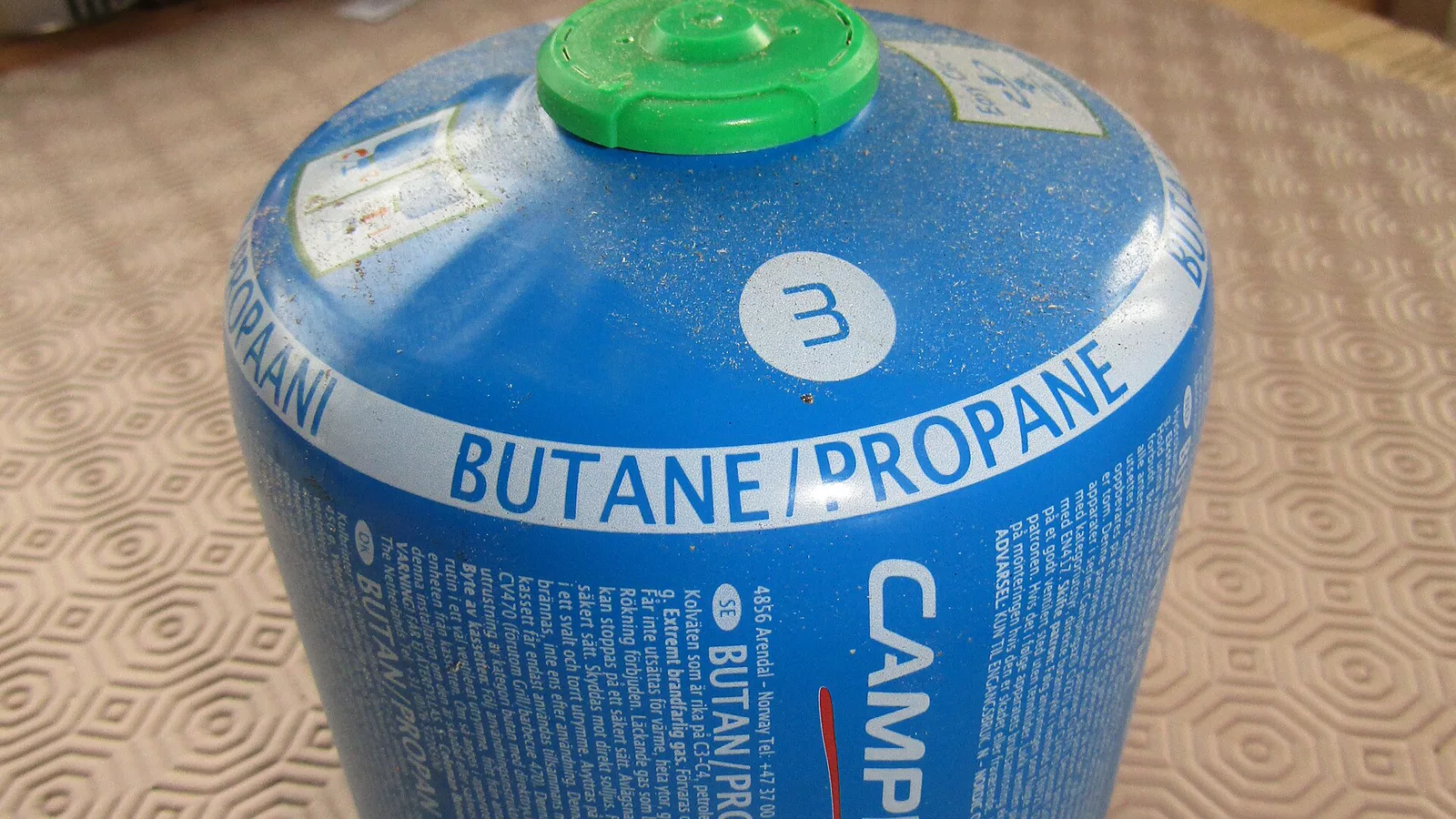
Use only undamaged cylinders approved for the appliance. Install protective caps when supplied. Secure containers upright when required so they cannot roll, strike valves, or contact sharp cargo. Separate them from ignition sources, food, and items that can shift.
Do not leave cylinders in excessive heat or a closed hot vehicle. Never transport them in occupied space contrary to labels or law. Do not place cylinders in a trunk or roof box without first verifying legal and manufacturer requirements. Ferries, tunnels, rental vehicles, and land managers may set additional limits.
At camp, keep spare fuel outside the cooking zone, away from flames, direct sun, generators, and vehicle exhaust. Connect, disconnect, and leak-check outdoors with the stove off and cool. Never test a leak with fire. If gas odor or hissing continues, move people away and follow manufacturer and emergency guidance.
All fuel-burning stoves belong outdoors because combustion can produce carbon monoxide. Arrange a stable, supervised cooking zone using how to set up a camp kitchen.
A Simple Pre-Trip Worksheet
- List every propane appliance and its exact model.
- Record manufacturer consumption in lb/hour, or rated BTU/hour.
- List each meal and realistic burner minutes at each setting.
- Convert partial output to approximate full-output-equivalent time.
- Calculate each burner and appliance separately.
- Sum propane mass and add a 20–30% ordinary-trip reserve.
- Round up to compatible, safely transportable container sizes.
- Verify cylinder, hose, and regulator approval.
- Check fire restrictions and fuel availability at the destination.
- Rehearse outdoors, record actual fuel use, and revise future estimates.
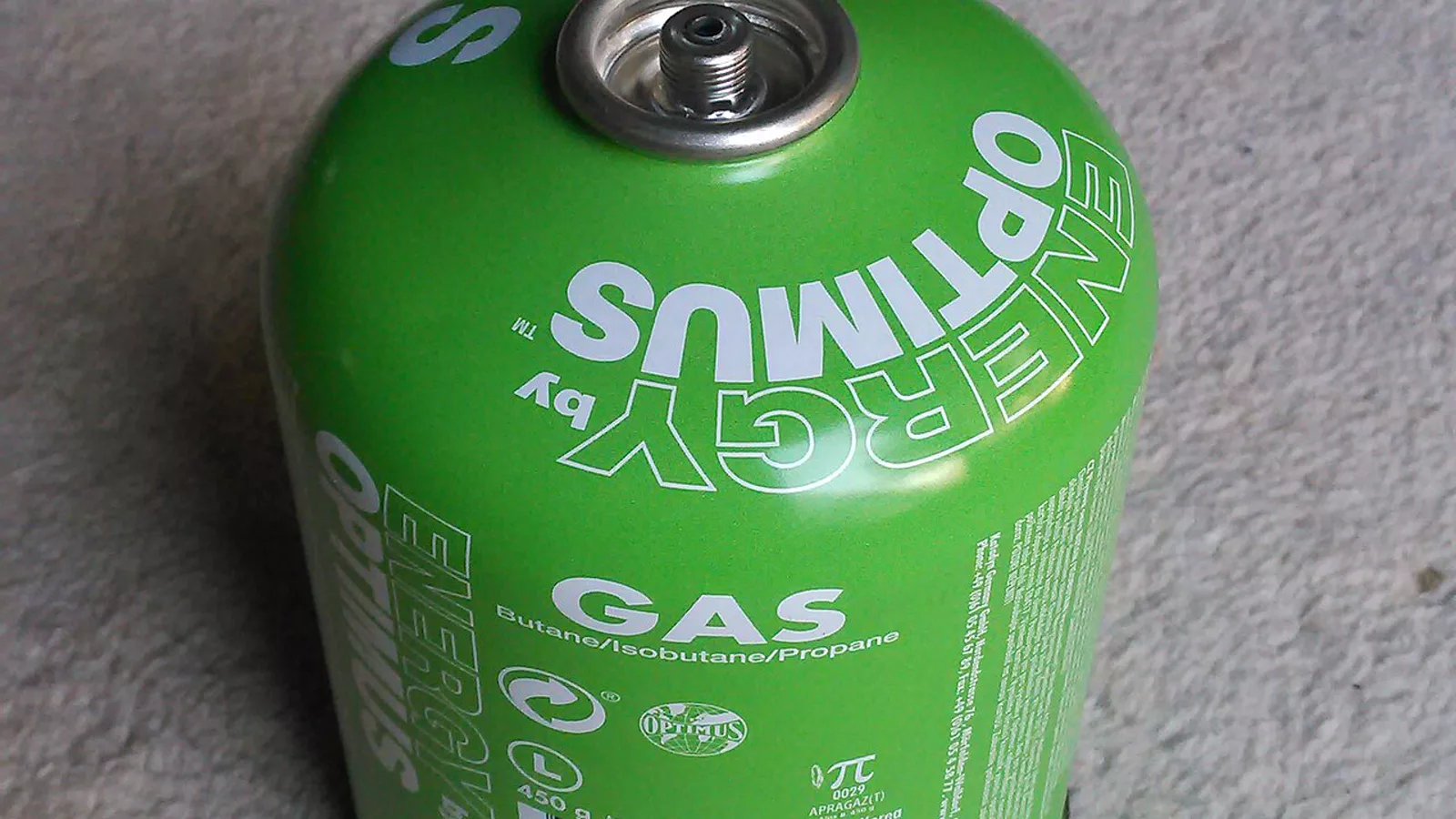
Common Planning Mistakes
- Counting trip days without counting meals and burner-hours.
- Treating all burners as if they have the same input rating.
- Forgetting a grill, lantern, or second stove shares the fuel.
- Assuming a partly used cylinder is almost full because it still hisses.
- Ignoring wind, cold, elevation, and larger group water volumes.
- Applying full-output BTU ratings to every minute without adjusting for simmering.
- Packing no backup when the first cylinder or connection could fail.
- Carrying excessive cylinders without checking transport and storage rules.
- Using an unapproved bulk-tank adapter to avoid small-cylinder planning.
- Planning indoor stove use as a weather contingency.
Frequently Asked Questions
How long does a 1-pound propane cylinder last?
Divide its approximate usable energy by the appliance's input rate, then adjust for how often the burner runs below full output. At a theoretical continuous 10,000 BTU/hour, 21,500 BTU would represent a little over two hours, but real usable time varies by appliance, temperature, regulator, cylinder fill, and cooking pattern. Manufacturer figures and an outdoor trial are better.
Is one 1-pound cylinder enough for a weekend?
It can be for one or two people with simple meals and modest burner time, but calculate first. A second cylinder provides useful redundancy. A family, grill user, or long-simmer menu can exceed one pound quickly.
Should I take a 20-pound tank camping?
Only if the appliance supports it through an approved hose and regulator, transport and campsite rules allow it, and calculated demand justifies it. Large cylinders are often practical for long group base camps but excessive for a short solo trip.
Does running two burners double consumption?
At equal ratings and equal settings, two simultaneous burners roughly double the instantaneous demand. Calculate each burner's time and setting separately because actual use rarely matches perfectly.
Can I refill a disposable 1-pound cylinder?
Do not refill a cylinder labeled non-refillable. Use a purpose-designed refillable cylinder only through its approved procedure and qualified filling source. Follow inspection, storage, and transport rules.
How do I know whether a propane tank is empty?
For compatible refillable cylinders, subtract the stamped tare weight from measured gross weight. Pressure gauges alone are not straightforward contents gauges. If condition or marking is uncertain, have the cylinder evaluated by a qualified supplier.
Bottom Line
Calculate camping propane from burner-hours, not nights. Use the manufacturer's mass-consumption figure when available; otherwise multiply BTU/hour by full-output-equivalent hours and divide by roughly 21,500 BTU per pound. Add a measured 20–30% ordinary-trip reserve, round to approved container sizes, and test the real setup outdoors. Careful menus and efficient cooking lower fuel needs without sacrificing safety.
Authoritative References
- U.S. Department of Energy, propane energy-content reference data.
- U.S. Consumer Product Safety Commission, portable propane container, appliance, recall, and carbon monoxide guidance.
- U.S. National Park Service, stove use and current fire-restriction guidance.
- U.S. Department of Transportation and applicable local authorities, cylinder transport requirements.
- The stove, hose, regulator, and cylinder manufacturers' current manuals and labels.