Practical Camping Guide
How Long Does a Camping Propane Tank Last?
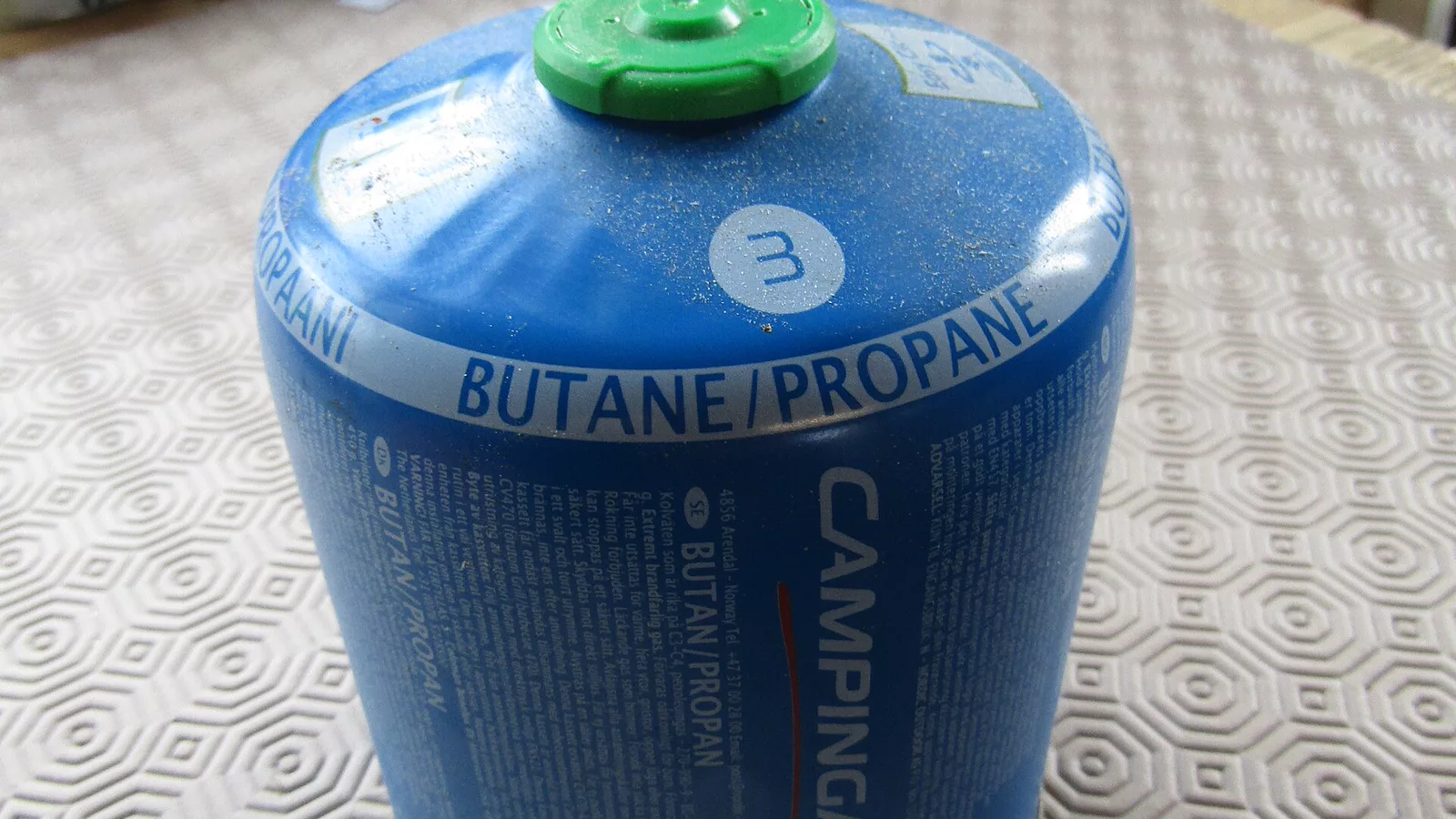
A full 1-pound propane cylinder theoretically supplies about 21,500 BTU. On one 10,000 BTU/hour burner at full output, that is roughly 2.15 hours of continuous runtime. Real cooking time can be shorter or longer because cylinders may not contain exactly one usable pound, burners run at mixed settings, weather changes heat loss, and regulators or appliances have operating limits.
 By Danny WalkerUpdated 11 min read
A full 1-pound propane cylinder theoretically supplies about 21,500 BTU. On one 10,000 BTU/hour burner at full output, that is roughly 2.15 hours of continuous runtime. Real cooking time can be shorter or longer because cylinders may not contain exactly one usable pound, burners run at mixed settings, weather changes heat loss, and regulators or appliances have operating limits.
A nominal 20-pound cylinder contains about 430,000 BTU when properly filled, giving roughly 21.5 continuous hours at a 20,000 BTU/hour combined appliance load. Campers rarely run every burner at maximum continuously, so one cylinder may cover many more clock hours of meal preparation. Calculate by fuel mass and total active burner input rather than by trip days.
Quick Runtime Table
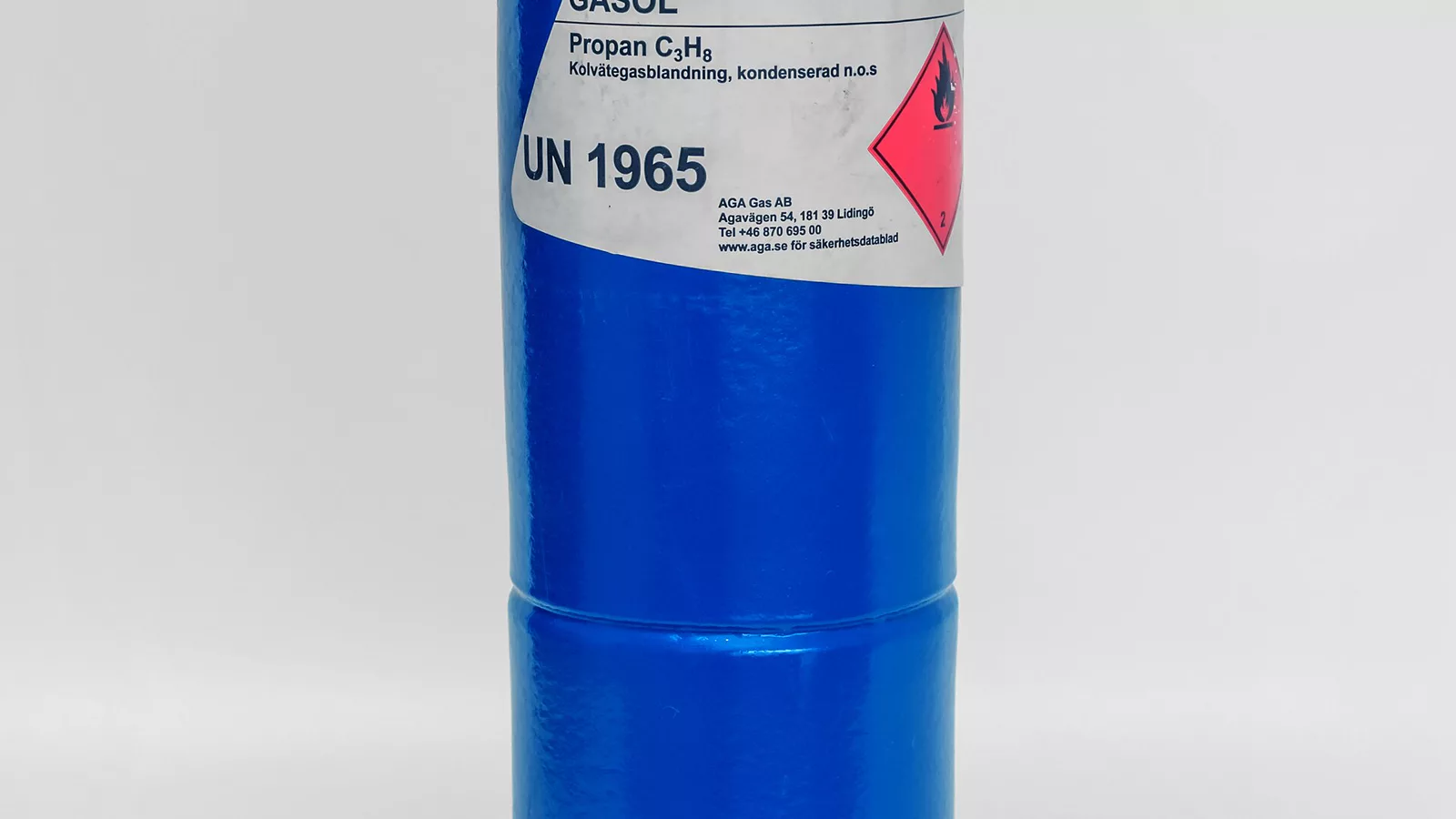
The figures below are theoretical estimates using approximately 21,500 BTU per pound of propane. They do not include reserve or unusable remainder.
| Propane amount | Available energy | 10,000 BTU/hr load | 20,000 BTU/hr load | 30,000 BTU/hr load |
|---|---|---|---|---|
| 1 lb | 21,500 BTU | 2.15 hr | 1.08 hr | 0.72 hr |
| 5 lb | 107,500 BTU | 10.75 hr | 5.38 hr | 3.58 hr |
| 10 lb | 215,000 BTU | 21.5 hr | 10.75 hr | 7.17 hr |
| 20 lb | 430,000 BTU | 43 hr | 21.5 hr | 14.33 hr |
“Load” is the sum of all burners operating at that moment. Two 10,000 BTU/hour burners on high create a 20,000 BTU/hour load. If both average half output, the approximate equivalent load is 10,000 BTU/hour. Appliance ratings and manufacturer consumption data take precedence over this rule of thumb.
Runtime Formula
Use this formula when the tank's propane mass and the appliance input are known:
Runtime at full load (hours) ≈ propane pounds × 21,500 ÷ total BTU per hour
Then adjust for average burner setting:
Estimated clock runtime ≈ full-load runtime ÷ average load fraction
For example, a burner averaging 50% has a load fraction of 0.5. A theoretical 2.15 full-load hours becomes about 4.3 clock hours at that average setting. This is planning math, not a guarantee: valves do not always modulate linearly, and a cylinder may stop delivering useful pressure before every theoretical BTU is used.
If the manual provides pounds per hour, use the more direct version:
Runtime (hours) = usable propane pounds ÷ consumption in pounds per hour
For planning how many containers to pack after calculating runtime, use how much propane you need for camping.
Worked Example: One-Pound Cylinder
A single-burner stove is rated at 10,000 BTU/hour. With one full pound:
1 × 21,500 ÷ 10,000 = 2.15 hours on high
Suppose breakfast uses 12 minutes at an average 60% setting and dinner uses 20 minutes at an average 70% setting:
- Breakfast equivalent high time: 12 × 0.60 = 7.2 minutes
- Dinner equivalent high time: 20 × 0.70 = 14 minutes
- Daily full-load equivalent: 21.2 minutes
The theoretical cylinder supports about six days at that pattern because 129 full-output minutes divided by 21.2 is about 6.1. In practice, use a conservative reserve and expect wind, cold cookware, extra drinks, and uncertain fill to reduce that result. Do not plan to consume the cylinder to the final theoretical minute.
Worked Example: Two-Burner Family Stove
A stove has two burners rated at 10,000 BTU/hour each. The family operates both near high for 20 minutes, then one burner at half output for another 20 minutes.
- Two burners on high: 20,000 × 0.333 hour ≈ 6,660 BTU
- One burner at half: 5,000 × 0.333 hour ≈ 1,665 BTU
- Meal total: about 8,325 BTU
A full 1-pound cylinder theoretically contains enough for about 2.58 such meals. Applying reserve and real-world variability, planning only two comparable meals per cylinder is more defensible. Simplifying one dish or using a lid can extend useful runtime without unsafe modifications.
Worked Example: 20-Pound Cylinder Shared by Stove and Grill
A base camp connects approved appliances through a manufacturer-authorized system. The grill averages 18,000 BTU/hour for 45 minutes, and the stove averages 12,000 BTU/hour for 30 minutes daily:
- Grill: 18,000 × 0.75 = 13,500 BTU/day
- Stove: 12,000 × 0.5 = 6,000 BTU/day
- Daily total: 19,500 BTU
Theoretical duration is:
430,000 ÷ 19,500 ≈ 22 days
A 25% reserve reduces planned usable energy to 322,500 BTU, or about 16.5 days at that pattern. Hose length, regulator capacity, splitter approval, and appliance compatibility must all be verified; never assemble a shared supply from generic adapters.
Why Actual Runtime Changes
Burner setting
The rating describes maximum input, not every minute of cooking. Simmering stretches clock time while running two burners on high shortens it rapidly. Count burner-minutes independently when settings differ.
Wind and cookware
Wind carries heat away and may make users raise the flame. A lid and pot matched to the burner improve heat transfer. Use only manufacturer-approved wind protection: enclosing the cylinder or regulator can trap dangerous heat.
Temperature
Cold changes cylinder pressure and increases the energy required to warm cookware and food. Propane generally retains vapor pressure better than normal butane, but stoves still have temperature limits. The comparison in propane vs butane camping stoves explains why fuel labels alone do not define winter performance.
Fill level and container condition
A nominal size is not a measurement of what remains today. A partly used cylinder, an uncertain exchange fill, a damaged valve, or a regulator fault can all shorten usable service. Never continue using a corroded, bulged, leaking, fire-exposed, or recalled container.
Elevation and menu
At elevation, water boils at a lower temperature and some foods require longer cooking. Large cold-water boils consume more than reheating a prepared meal. Use easy camping meals for beginners to select recipes with predictable active heat time.
How to Check Propane Remaining
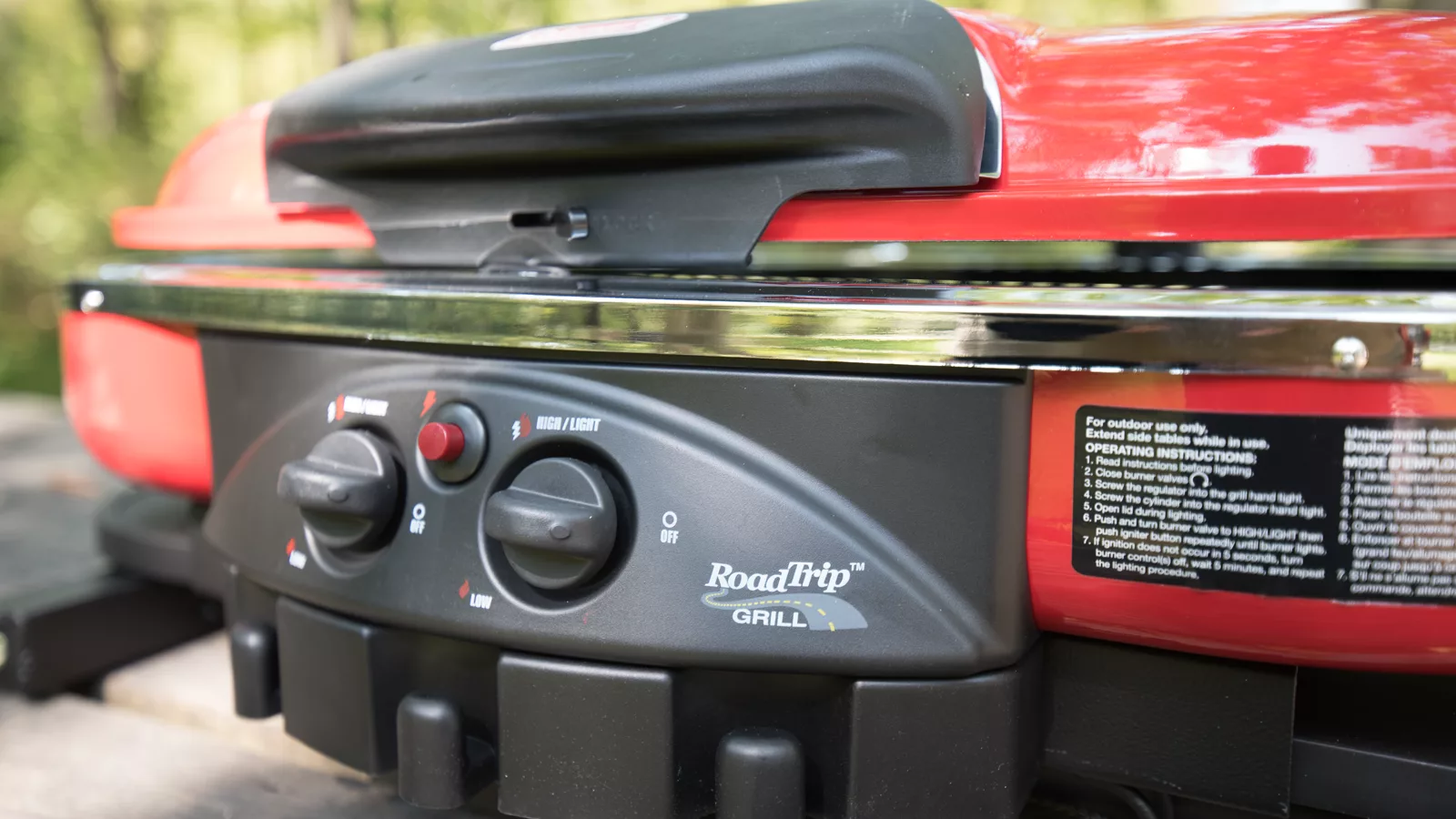
For a refillable cylinder, weighing is the clearest field method. Locate the stamped tare weight, which is the empty cylinder weight. Measure current gross weight on an accurate scale:
Propane remaining = gross weight − tare weight
If a cylinder marked TW 17.2 lb weighs 25.2 lb, it contains approximately 8 lb of propane. At a continuous 20,000 BTU/hour load:
8 × 21,500 ÷ 20,000 ≈ 8.6 theoretical hours
Confirm whether stamped values and scale use pounds or kilograms. Do not rely on markings that are unreadable or a cylinder beyond required qualification. A pressure gauge does not behave like a fuel gauge: while liquid remains, pressure responds strongly to temperature rather than falling neatly with contents.
Warm-water level checks are sometimes discussed, but adding heat near propane invites misuse. Weighing avoids interpretation and does not require warming the cylinder. Never use flame, boiling water, an engine, or another appliance to test or warm it.
Small non-refillable cylinders may be compared by weight against reliable manufacturer specifications, but do not refill them. If the remaining amount is uncertain, treat the cylinder as contingency rather than the sole meal supply and follow local disposal guidance.
Continuous Runtime Is Not Trip Duration
Two hours of continuous high flame can represent many days of short cooking sessions. Translate runtime into meals:
Meals per container ≈ usable runtime minutes ÷ equivalent full-load minutes per meal
Record the actual start and stop times for a representative outdoor meal. Estimate average burner fraction honestly, or weigh a refillable cylinder before and after several meals. Repeated measurements with your own stove, pot, menu, and conditions will outperform a generic chart.
Do not count time spent chopping, soaking, or resting food with the burner off. Count both burners when they overlap. Include boiling wash water or hot drinks if they are part of normal use. How to cook while camping can help reduce idle flame and organize tasks before ignition.
Extend Runtime Safely
- Put a fitted lid on the pot.
- Prepare and measure ingredients before lighting.
- Use cookware that matches the burner rather than letting flame spill around it.
- Lower the flame after water reaches a boil.
- Choose boil-and-soak recipes instead of unnecessary long simmers.
- Thaw food safely before cooking rather than heating frozen blocks on the stove.
- Shelter from wind only with the stove maker's approved design and clearances.
- Turn burners completely off between tasks.
- Maintain clean burners and sound seals according to the manual.
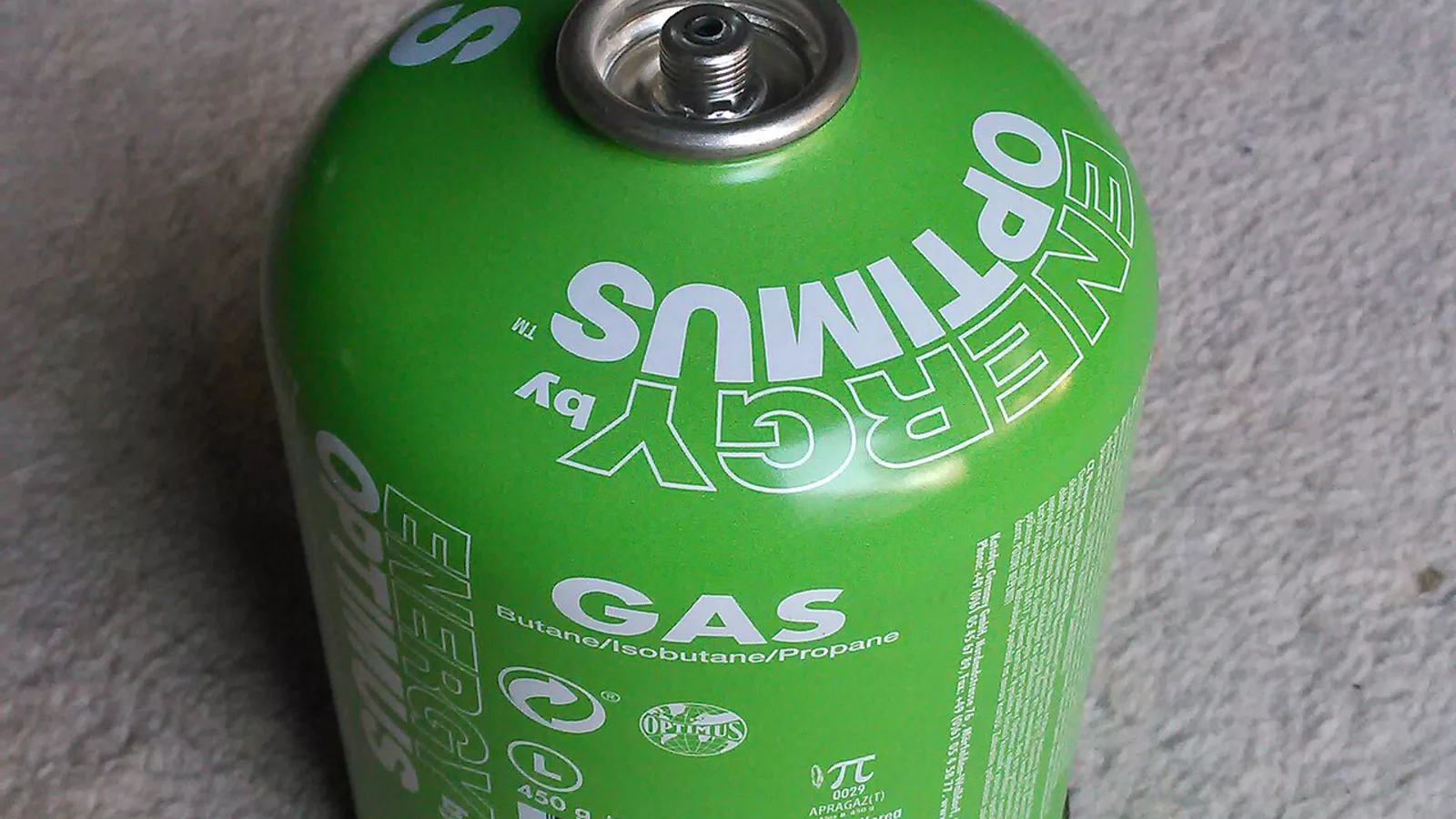
Never extend runtime by tipping a vapor-feed cylinder, warming it, bypassing a regulator, refilling a disposable container, or using an unauthorized adapter. Those shortcuts change fuel delivery or container temperature and can cause flare, leak, fire, or explosion.
Runtime Reserve and Redundancy
Do not plan to the calculated endpoint. Reserve 20–30% of theoretical fuel for routine trips, and increase contingency for cold, wind, remote locations, uncertain partial cylinders, or essential group cooking. Apply the reserve by multiplying available fuel by 0.8 or 0.7 when estimating dependable runtime.
Example: a theoretical 10 hours becomes 8 planned hours with a 20% reserve. This makes decisions easier because reserve remains visible rather than buried in optimistic meal estimates.
Two compatible containers can add redundancy if one valve fails, but extra containers also add transport and heat-exposure risks. Check vehicle, ferry, tunnel, campground, and local quantity rules. A no-cook backup is often safer and lighter than unlimited fuel.
Safety During the Tank's Entire Life
Propane appliances produce carbon monoxide and belong outdoors. Never use a camping stove in a tent, vestibule, vehicle, camper, cabin, or garage; camping stove indoor safety covers the boundary in detail.
Secure cylinders against rolling and impacts during transport. Protect valves, keep containers away from excess heat, and comply with label and legal orientation requirements. At camp, store spare fuel away from flame, hot cookware, direct sun, generators, and vehicle exhaust.
Before connecting, inspect the cylinder, valve, seal, hose, and regulator. Use the manufacturer's leak-check procedure, never a flame. Shut the appliance down and let it cool before disconnecting. Do not use a cylinder with persistent gas odor, hissing, rust, dents, bulging, damaged threads, or fire exposure. Move people away and contact emergency services or the supplier as appropriate.
Runtime Planning Checklist
- Identify propane pounds actually available, not container name alone
- Record every burner's maximum BTU/hour or manufacturer consumption rate
- Add simultaneous burner and appliance loads
- Convert partial settings to full-load-equivalent minutes
- Include grill, lantern, and hot-water use
- Account for wind, cold, elevation, and menu
- Reduce theoretical runtime by a 20–30% reserve
- Confirm approved cylinder, regulator, hose, and orientation
- Verify transport rules and current fire restrictions
- Carry a no-cook fallback rather than planning unsafe indoor operation
Frequently Asked Questions
How long will a 1-pound propane tank last at 10,000 BTU?
The theoretical result is about 2.15 continuous hours at maximum input. Plan less after reserve and real-world conditions. Mixed low and high settings can produce more clock time.
How long does a 20-pound tank last on a two-burner stove?
If both burners total 20,000 BTU/hour on high, the theoretical continuous runtime is about 21.5 hours. Actual trip duration depends on how many minutes both operate and at what settings.
Does a propane tank expire?
Fuel does not become unusable merely from sitting, but cylinders have condition, storage, valve, and qualification requirements. Dates and rules differ by cylinder and jurisdiction. Have a qualified propane supplier inspect or recertify refillable cylinders as required.
Can I tell the level from tank pressure?
Not reliably as a simple percentage while liquid propane remains. Pressure changes substantially with temperature. Weigh a refillable cylinder and subtract its stamped tare weight.
Why did my stove stop while propane remained?
Cold, regulator problems, excess demand, incorrect orientation, icing, valve faults, or appliance issues can interrupt delivery. Turn it off and troubleshoot from the manual; never heat or modify the cylinder.
Should I run a cylinder until completely empty?
Do not make the theoretical endpoint your trip plan. Maintain reserve and follow the appliance shutdown and cylinder disposal or refill procedures. Never intentionally vent remaining propane.
Bottom Line
Tank duration is an energy calculation: multiply propane pounds by about 21,500 BTU, then divide by the combined BTU/hour actually being used. A 1-pound cylinder is roughly 2.15 theoretical hours on a 10,000 BTU/hour burner at high; a 20-pound cylinder is roughly 21.5 hours under a 20,000 BTU/hour load. Reduce those figures by a 20–30% planning reserve, verify by weighing, and treat every result as an estimate bounded by the manual and outdoor safety rules.
Authoritative References
- U.S. Department of Energy, propane energy-content reference data.
- U.S. Consumer Product Safety Commission, propane appliance, container, recall, and carbon monoxide guidance.
- U.S. Department of Transportation and local authorities, cylinder transport and qualification requirements.
- U.S. National Park Service, outdoor stove use and current fire restrictions.
- The appliance, regulator, hose, and cylinder manufacturers' current manuals and labels.