
Practical Camping Guide
Cast Iron vs Stainless Steel for Camping: Which Cookware Wins?
Choose cast iron for vehicle-based camps, high-heat searing, baking, frying, and meals that benefit from steady retained heat. Choose stainless steel for lighter packing, faster temperature response, acidic foods, simple cleanup, and wet trips where rust prevention would be inconvenient. For most beginners using a camping stove, a good stainless pot plus a skillet is the easier all-purpose kit; for base-camp cooking over a stable fire or broad burner, cast iron earns its weight.
 By Danny WalkerUpdated 13 min read
Choose cast iron for vehicle-based camps, high-heat searing, baking, frying, and meals that benefit from steady retained heat. Choose stainless steel for lighter packing, faster temperature response, acidic foods, simple cleanup, and wet trips where rust prevention would be inconvenient. For most beginners using a camping stove, a good stainless pot plus a skillet is the easier all-purpose kit; for base-camp cooking over a stable fire or broad burner, cast iron earns its weight.
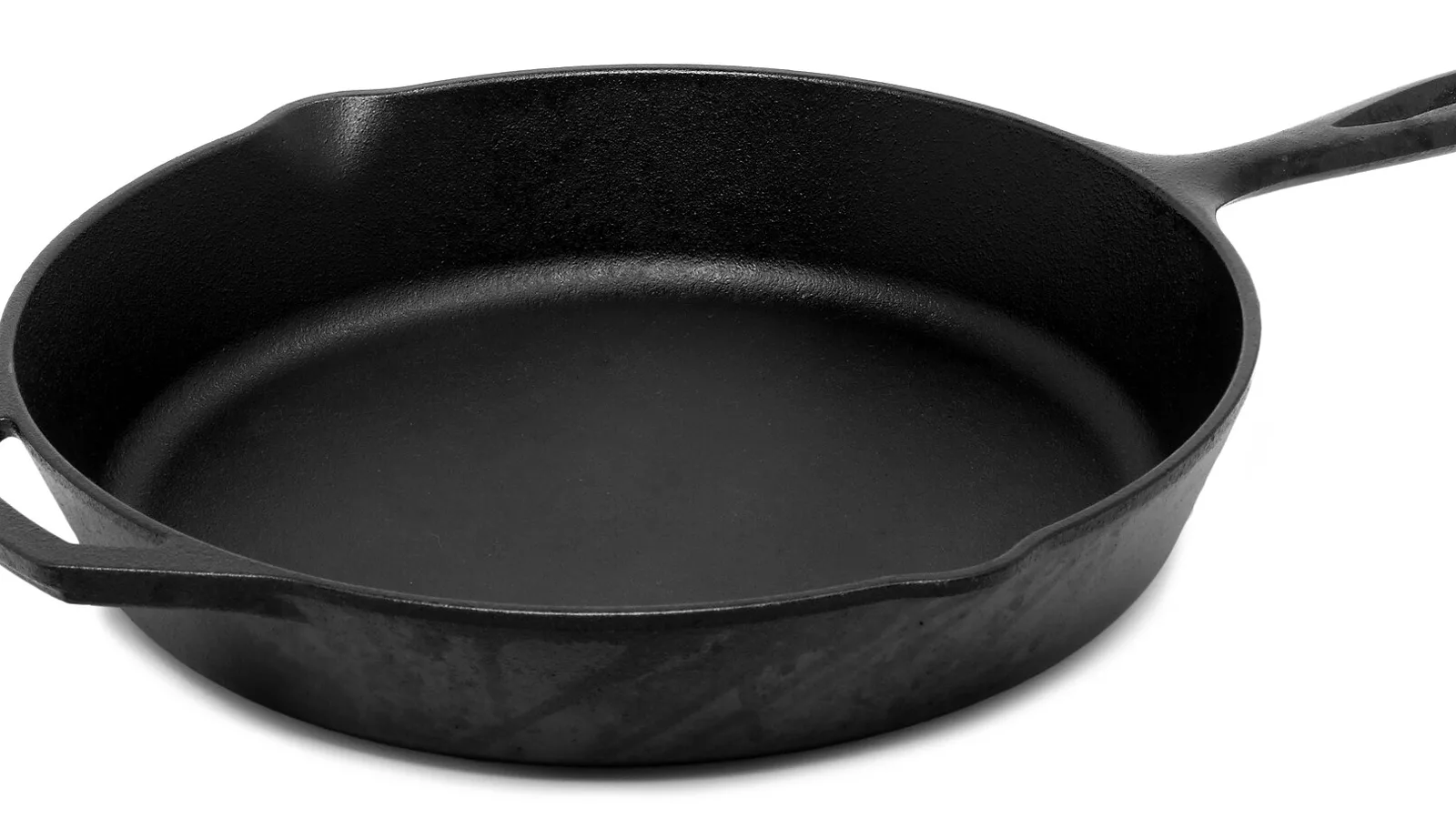
The best choice depends on construction, not material name alone. A thin stainless pan may scorch food, while a quality clad stainless pan spreads heat through an aluminum core. A lightweight cast-iron skillet behaves differently from a thick Dutch oven. Compare the exact vessel, lid, handle, size, and stove limits.
Quick Comparison
| Factor | Cast iron | Stainless steel | Camping consequence |
|---|---|---|---|
| Weight | Heavy | Usually lighter; construction varies | Stainless is easier to carry and pack |
| Heat retention | Excellent | Moderate; clad bases improve distribution | Cast iron stays hot through cold ingredients |
| Responsiveness | Slow to heat and cool | Faster, especially thinner vessels | Stainless responds better to flame adjustment |
| Searing | Excellent after thorough preheat | Good with proper preheat and quality construction | Cast iron is forgiving for steaks and browning |
| Simmering | Stable but slow to correct | Easier to reduce heat quickly | Stainless suits sauces and delicate foods |
| Care | Seasoning, thorough drying, light oil | Wash, rinse, dry; generally low maintenance | Stainless handles rushed trip cleanup better |
| Rust | Can rust when wet or seasoning fails | Highly corrosion-resistant, not corrosion-proof | Stainless favors humid and paddling trips |
| Acidic food | Brief cooking may be acceptable on good seasoning; long exposure can strip seasoning or add metallic flavor | Generally well suited | Stainless is better for tomato, wine, and citrus dishes |
| Camp stove | Works if grate supports weight and diameter | Broad compatibility | Check stove cookware limits either way |
| Campfire | Bare cast iron excels when design permits | Only fire-rated stainless with safe handles | Do not assume household handles tolerate flame |
| Group meals | Dutch ovens and griddles handle volume | Large stockpots boil efficiently and clean easily | Menu decides the winner |
The Decision in Three Questions
- How far will you carry it? If cookware rides in a vehicle, cast iron's weight may be acceptable. If it goes in a backpack or over portages, stainless usually wins.
- What will you cook? Searing, frying, cornbread, and Dutch-oven meals favor cast iron. Boiling, soups, pasta, tomato sauce, and quick temperature changes favor stainless.
- How will you clean and dry it? Cast iron needs complete drying and seasoning care. Stainless tolerates soap, soaking, and humid storage better, though campsite wastewater still requires proper handling.
Build the decision around the complete menu using what food to bring camping, not an imagined collection of every possible meal.
Weight and Packability
A 10- or 12-inch cast-iron skillet adds several pounds before food, lid, handle cover, and cleaning tools. A cast-iron Dutch oven adds much more. That mass is manageable beside a car and punishing in a backpack. It also affects table strength, stove stability, storage bins, and the person assigned to carry the kitchen.
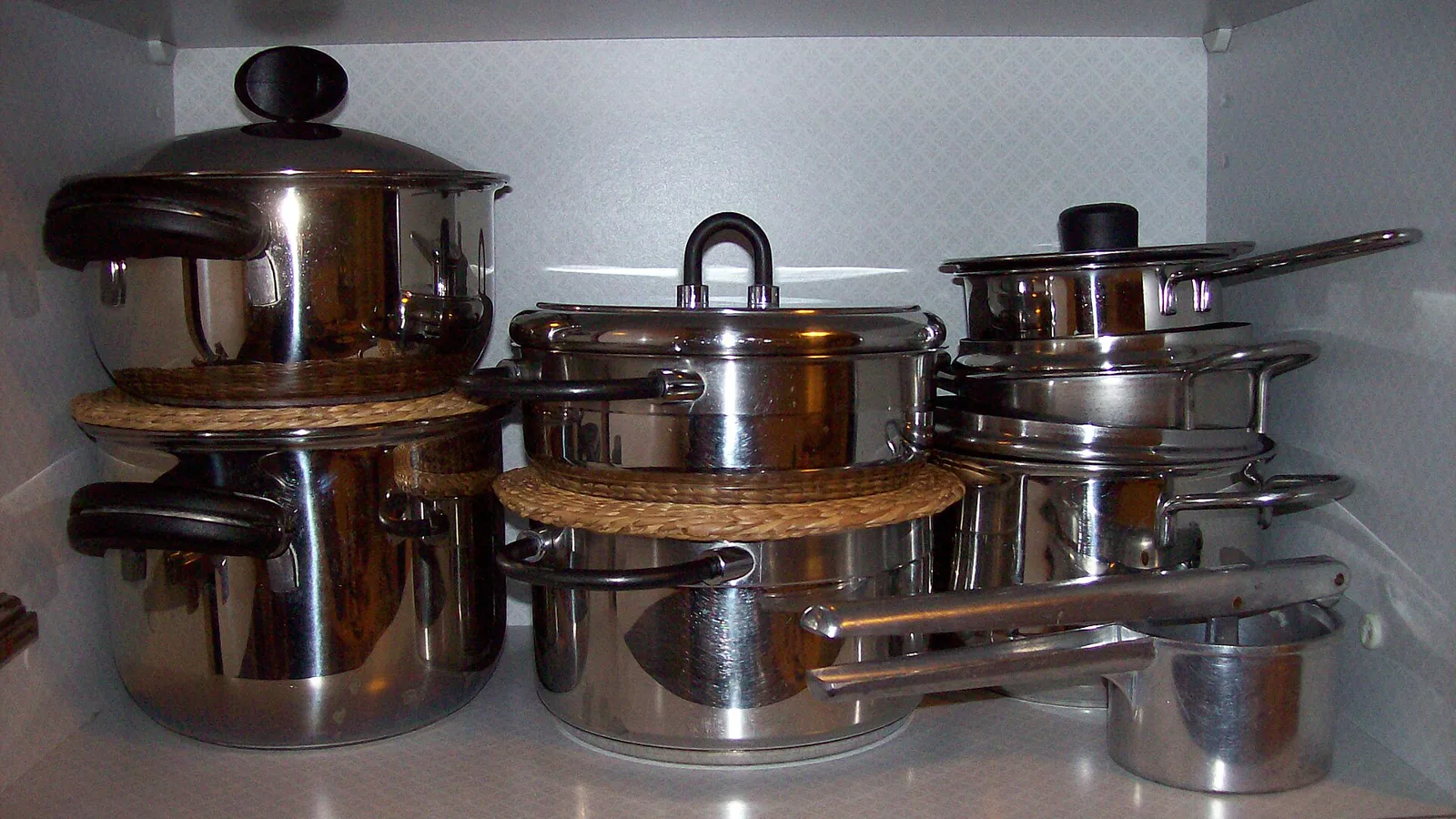
Stainless cookware spans ultralight single-wall pots, ordinary saucepans, and heavy multi-ply pans. “Stainless is light” is therefore relative. A thick clad skillet can approach cast-iron weight, while a thin nesting pot is dramatically lighter. Compare measured set weight with lids, detachable handles, and carry sack included.
Shape matters. Nesting stainless pots use vehicle or pack volume efficiently. Cast-iron handles and lids create awkward voids, though a skillet can carry protected utensils inside. Prevent metal edges from rubbing fuel hoses, soft coolers, or tent fabric.
For backpackers who mainly boil water, neither a household skillet nor Dutch oven makes sense. Pair an appropriately light pot with the stove guidance in camping stove vs backpacking stove.
Heat Retention vs Responsiveness
Cast iron has high thermal mass. It takes time and fuel to preheat, but once hot it loses temperature slowly when cold food hits the surface. That helps develop a crust on meat, brown potatoes, and stabilize baking. It also means turning the burner down does not cool the pan immediately. Move food or the pan before it burns.
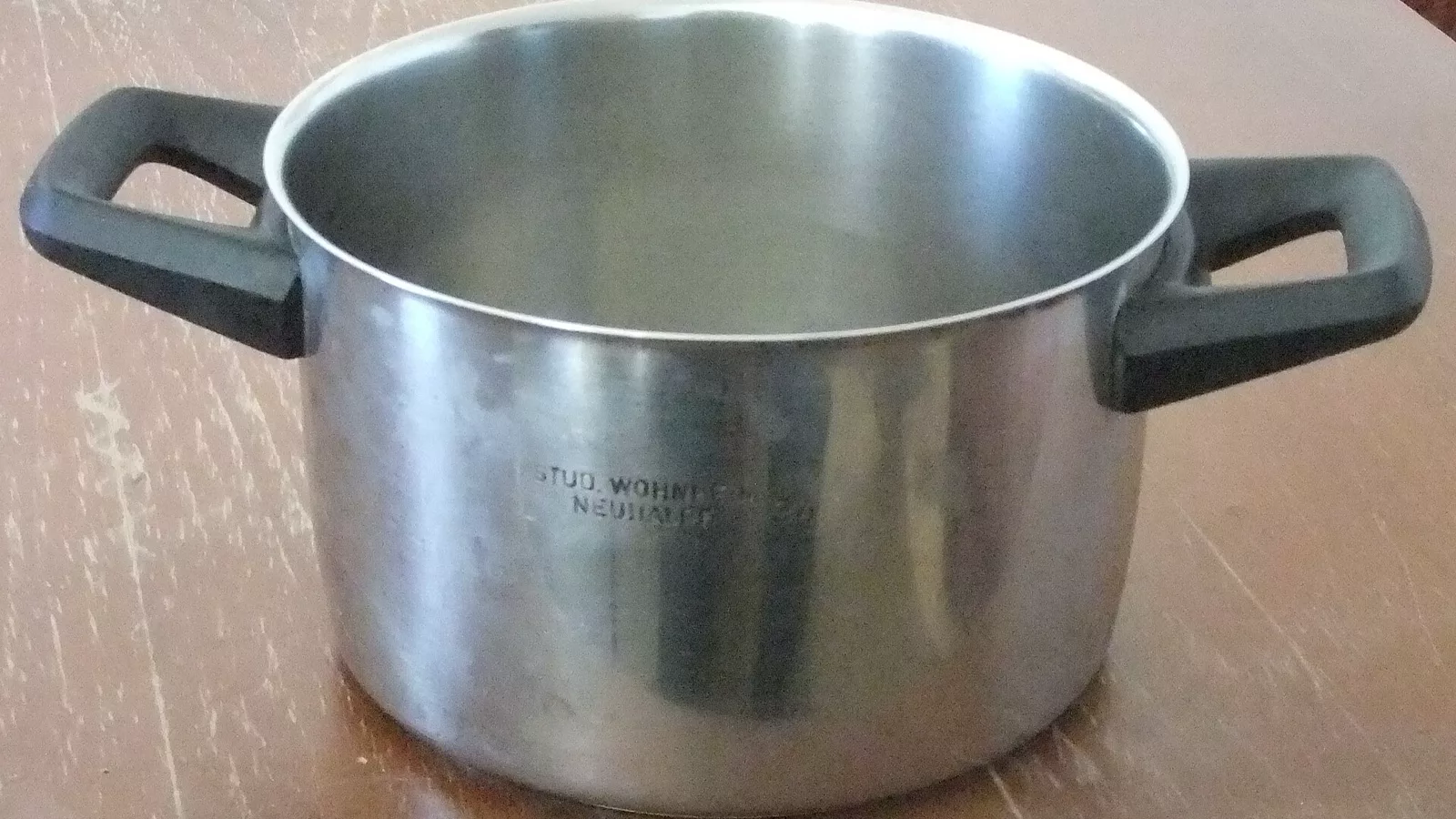
Stainless steel itself conducts heat less evenly than aluminum or copper. Many higher-quality stainless pans solve that with a bonded aluminum core or disk base. These pans warm and cool faster than thick cast iron, so a cook can respond to a changing stove flame. Thin single-wall stainless is ideal for boiling but can create hot spots during frying.
Preheat either pan gradually. Empty cast iron can overshoot, damage seasoning, or create a burn hazard; thin stainless can warp under extreme concentrated heat. Use a burner no larger than the base and keep flames from climbing the sides.
Cooking Performance by Meal
Breakfast
Cast iron excels at bacon, hash, and pancakes once evenly preheated. Its retained heat handles repeated batches. Stainless works well for oatmeal, boiled eggs, and hot water, and a properly preheated clad skillet can cook eggs with adequate fat. For a fast departure, stainless cools sooner and is easier to pack after cleaning.
Dinner
A cast-iron skillet sears steak, burgers, fish, and vegetables; a Dutch oven supports braises and baking. Stainless is better for pasta water, soups, curry, and sauces that need quick adjustments. Multi-pot meals often benefit from a stainless pot plus one cast-iron skillet rather than an all-or-nothing set.
Group cooking
Cast-iron griddles and Dutch ovens provide generous capacity but demand a strong table, safe lifting tools, and experienced heat management. Stainless stockpots handle large water volumes and acidic chili with easier cleanup. The group should calculate portions through how much food to bring camping before choosing vessel size.
Acidic and Reactive Foods
Stainless steel is generally nonreactive for campsite dishes containing tomatoes, citrus, vinegar, or wine. That makes it the uncomplicated option for marinara, shakshuka, and long acidic braises.
Acidic food can weaken cast-iron seasoning and sometimes pick up metallic flavors, especially during long cooking or storage. A well-established seasoning layer tolerates brief contact better than a new or damaged one, but a camping trip is a poor place to rebuild seasoning. Never store leftovers in cast iron. Transfer food after serving, clean promptly, dry, and oil lightly.
Enameled cast iron creates a nonreactive cooking surface, but it is still heavy and the enamel can chip from impact or thermal shock. A chipped cooking surface requires manufacturer assessment. It should not be treated like bare iron or heated empty over extreme campfire heat.
Rust, Seasoning, and Cleanup
Bare cast iron is protected by polymerized seasoning, not by immunity to water. After cooking, remove food, wash by the maker's method, rinse minimally, and dry immediately. Modern guidance commonly permits mild dish soap; aggressive scraping, prolonged soaking, and leaving it wet are the larger threats. Warm it gently to remove residual moisture, let it cool safely, and apply a very thin approved oil layer if needed.
Never pour cold water into very hot cast iron; thermal shock can crack or warp cookware and create steam burns. Do not burn food off in a campfire as routine cleaning. Salt, steel wool, or chain-mail scrubbers should be used only according to the cookware maker.
Stainless tolerates normal dish soap and a nylon scrubber. Soak only where wastewater can be managed safely, never in a lake or stream. Dry to reduce water spots and inspect rivets, folding handles, and layered bases. Stainless resists rust but salt, harsh chlorine, damaged surfaces, and prolonged damp storage can still cause corrosion.
Use how to set up a camp kitchen to create separate wash, dry, and food zones so heavy hot cookware does not cross foot traffic.
Stove and Campfire Compatibility
Before placing cast iron on a camp stove, compare pan weight and diameter with the stove's documented limits. A broad skillet can trap heat over a butane canister compartment or extend beyond a narrow backpacking stove's supports. Heavy cookware raises tip risk and can deform a lightweight grate.
Stainless is usually easier on camp stoves, but oversized stockpots create the same problems. Center the load, use all required legs, and choose a stable noncombustible surface. Never bridge two separate stoves with a griddle unless both manufacturers approve that setup.
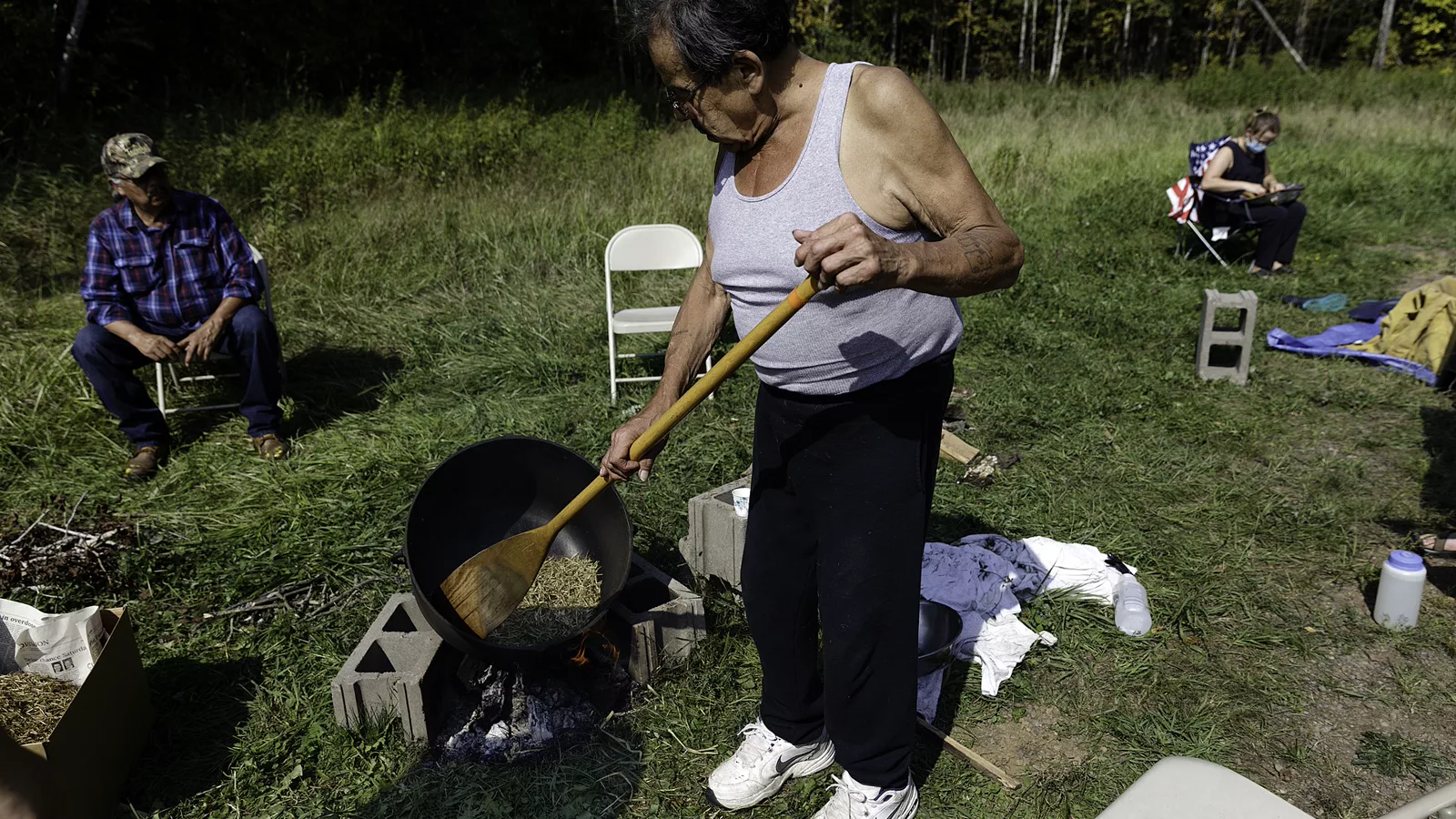
Bare cast iron is naturally suited to fire cooking when its design and the land rules allow. Use established cooking grates or a controlled coal bed, heat-resistant gloves, and dedicated lid tools. Stainless can go over fire only if its manufacturer allows it; plastic, silicone, bonded bases, and hollow handles may be damaged by flame.
No cookware makes an illegal or unsafe fire acceptable. Check current restrictions and learn the outdoor cooking workflow in how to cook while camping.
Choice Matrix by Camping Style
| Camping scenario | Better starting choice | Reason |
|---|---|---|
| Drive-in family campground | Cast iron or hybrid | Weight is less critical; skillet plus stainless pot covers most meals |
| Backpacking | Lightweight stainless | Lower carried mass and fast boiling |
| Paddling with frequent portages | Stainless | Easier carrying and less rust concern when wet |
| No-portage canoe base camp | Cast iron or hybrid | Boat carries weight; stable fire cooking may be useful |
| Coastal or rainy trip | Stainless | Corrosion resistance and easier drying |
| Group Dutch-oven dinner | Cast iron | Heat retention and baking format |
| Tomato-heavy menu | Stainless | Nonreactive and easy cleanup |
| Fast overnight with simple meals | Stainless | Quick heat-up, cooling, and packing |
| Long vehicle base camp | Hybrid | Each material handles its best tasks |
The hybrid kit is often the strongest answer: one cast-iron skillet for high-heat cooking, one stainless pot for water and acidic dishes, and lids that fit securely. It avoids carrying redundant pans while preserving flexibility.
Practical Scenarios
Couple cooking at a developed campground
They plan pasta, tomato sauce, eggs, and one steak dinner. A stainless pot handles pasta and sauce, while a 10-inch cast-iron skillet handles eggs and steak. Because the vehicle is close, the extra skillet weight is acceptable. They verify that the stove grate supports it.
Family feeding six people
Breakfast requires repeated pancakes and dinner is chili. A large cast-iron griddle retains heat for batches, but the acidic chili belongs in a stainless stockpot. Two cooks organize a landing zone for hot lids and handles. The menu in easy camping meals for beginners can reduce crowded burner use.
Solo hiker
The meal plan is oatmeal, dehydrated dinner, and hot drinks. A light stainless pot is the clear winner. Cast iron offers no meaningful benefit for boil-focused food and consumes pack weight that could support water, shelter, or insulation.
Rainy coastal weekend
Stainless reduces the need to dry and oil cookware perfectly between showers. If cast iron comes, it travels in a dry ventilated container and receives immediate post-use care. Neither material should be sealed wet inside a tote.
Durability and Repairability
Cast iron can last generations, but it is brittle. Dropping a hot Dutch oven on rock can crack it, and severe thermal shock can warp or split it. Surface rust is often recoverable through proper restoration, while a structural crack is not a campsite repair.
Stainless resists impact better but can dent, warp, loosen handles, or separate at a bonded base. Thin pots are especially vulnerable to concentrated high heat. Inspect folding-handle locks and rivets before lifting boiling water. A loose handle over a live stove is a stop-use condition.
Choose simple construction if repair and inspection matter. Removable silicone sleeves can be useful but must stay away from open flame. Carry heat-resistant gloves regardless of material; handles that look cool may be dangerously hot.
Common Buying Mistakes
- Assuming all stainless cookware distributes heat evenly.
- Choosing cast iron for backpacking because it is “indestructible.”
- Ignoring stove grate weight and pan-diameter limits.
- Buying a huge skillet that blocks a butane canister compartment.
- Treating enameled cast iron like bare iron over direct fire.
- Planning long acidic braises in newly seasoned cast iron.
- Forgetting lids, handles, cases, and cleaning tools in weight comparisons.
- Packing cast iron damp or sealed in plastic.
- Using steel wool on finishes without checking care instructions.
- Selecting a full set when one pot-and-pan hybrid would cover the menu.
Pre-Trip Cookware Checklist
- Menu and largest portion defined
- Total cookware weight acceptable for travel mode
- Pan diameter and loaded weight fit the stove manual
- Handles and lid secure
- No cracks, severe rust, warped base, or loose rivets
- Acidic dishes assigned to compatible cookware
- Cast-iron seasoning intact and cookware dry
- Heat-resistant gloves and safe lid tool packed
- Cleaning and wastewater plan established
- Fire rules and cookware fire rating checked
Frequently Asked Questions
Is cast iron better than stainless steel for camping?
It is better for retained heat, searing, frying, and Dutch-oven cooking when weight and care are manageable. Stainless is better for portable, responsive, low-maintenance cooking and acidic dishes. Many car campers benefit from one of each.
Which is better for a camping stove?
Stainless is the easier default because it is generally lighter and more responsive. Cast iron works when the stove supports its loaded weight and diameter. Always follow the stove's cookware limits.
Can stainless steel go directly on a campfire?
Only if the cookware manufacturer permits it. Flame can damage bonded bases, coatings, and plastic or silicone handles. Fire-rated bare stainless designs exist, but household cookware should not be assumed compatible.
Can I cook tomatoes in cast iron?
Brief cooking in well-seasoned cast iron may be acceptable, but long acidic cooking can damage seasoning and affect flavor. Stainless or intact enameled cookware is more predictable. Never store the finished food in bare cast iron.
Is cast iron too heavy for car camping?
Usually not, provided the person, table, storage system, and stove can safely handle it. Weight becomes important when carrying gear any distance or loading small vehicles and boats.
Which material is easier to clean at camp?
Stainless generally wins because it tolerates soap, water, and delayed drying better. Cast iron cleans quickly with good technique but must be dried completely and may need a thin oil coat.
Bottom Line
Cast iron rewards car campers with superior heat retention, searing, frying, and fire-cooking potential, but it demands weight capacity, deliberate temperature control, seasoning care, and prompt drying. Stainless steel is lighter, faster to adjust, nonreactive, and easier in wet conditions, though thin versions can scorch. Choose by menu, transport, stove limits, and cleanup—not tradition. For a versatile vehicle kitchen, a stainless pot paired with one cast-iron skillet is often the most capable combination.
Authoritative References
- U.S. Department of Agriculture, food safety and outdoor cooking guidance.
- U.S. National Park Service, campfire, stove, food-storage, and current fire-restriction guidance.
- The cookware manufacturer's current use, heat-source, cleaning, seasoning, and maximum-temperature instructions.
- The camp-stove manufacturer's cookware diameter, loaded-weight, and clearance limits.