Practical Camping Guide
Can You Use a Camping Stove Indoors?
No. Do not use a camping stove inside a home, tent, vestibule, vehicle, camper, cabin, garage, or other enclosed or partially enclosed space. Fuel-burning camp stoves can produce carbon monoxide (CO), an odorless, colorless poison, and they also create fire, burn, fuel-leak, and oxygen-depletion hazards. Opening a door, window, roof vent, or tent flap does not make indoor operation safe.
 By Danny WalkerUpdated 12 min read
No. Do not use a camping stove inside a home, tent, vestibule, vehicle, camper, cabin, garage, or other enclosed or partially enclosed space. Fuel-burning camp stoves can produce carbon monoxide (CO), an odorless, colorless poison, and they also create fire, burn, fuel-leak, and oxygen-depletion hazards. Opening a door, window, roof vent, or tent flap does not make indoor operation safe.
Use the stove outdoors on a stable, noncombustible surface with the clearances required by its manufacturer. If weather prevents safe outdoor cooking, switch to food that does not require heating, relocate to an authorized outdoor cooking area, or wait. A hot meal is never worth moving combustion into a sleeping or living space.
The Safety Rule in One Table
| Location | Use a camping stove? | Why |
|---|---|---|
| Open outdoor campsite | Only when rules, weather, clearances, and manual allow | Intended environment with free airflow |
| Tent interior | No | CO, fire, melting fabric, burns, blocked escape |
| Tent vestibule or awning enclosed on sides | No | Still partially enclosed; flame sits close to fabric and gear |
| Car, van, or truck bed under a cap | No | Small volume can accumulate CO; fuel and interiors can ignite |
| RV or camper | No portable camping stove | Use only permanently installed appliances exactly as designed and maintained |
| Garage, even with door open | No | CO can accumulate and migrate into living space |
| Cabin or picnic shelter with walls | No | A camp stove is not an indoor appliance |
| Open picnic table | Usually, if land rules and manufacturer permit | Maintain wind control, clearance, and supervision |
“Indoors” includes spaces that feel drafty. Tent fabric is not a safety ventilation system, and a camper window is not a flue. CDC guidance warns never to use a portable camping stove inside a home, tent, or camper. Treat that as a hard boundary, not a condition to engineer around.
Why a Camping Stove Is Dangerous Indoors
Carbon monoxide gives no sensory warning
Carbon monoxide can be produced when propane, butane, gasoline, alcohol, wood, charcoal, or another carbon-based fuel burns. Incomplete combustion can increase CO production, but a normal-looking flame is not proof that none is present. You cannot reliably see, smell, or taste CO.
In an enclosed or partially enclosed space, CO can accumulate faster than occupants recognize a problem. Sleeping people may not notice symptoms. Children, pregnant people, older adults, and people with heart or respiratory conditions may be especially vulnerable, but healthy adults can also be poisoned or killed.
Flame and hot surfaces ignite shelter materials
Tent walls, sleeping bags, clothing, paper, plastic tables, and dry vegetation can ignite or melt. A bumped pot can cause scalding. A stove near the only exit can trap occupants if it flares. Small indoor spaces make it difficult to maintain the side and overhead clearances printed in a stove manual.
Leaking fuel can collect
Propane and butane leaks introduce highly flammable gas. Liquid fuels and alcohol can spill, spread, and burn with flames that may be hard to see. Ignition may come from the stove, a lantern, static discharge, an electrical switch, or another source. Never rely on odorant as the only leak detector.
Combustion consumes oxygen and adds moisture
A stove uses oxygen and releases heat and water vapor. Condensation is not the main danger, but it can mislead users into adjusting ventilation while the fundamental CO and fire hazards remain. A camping stove is a cooking appliance, not a tent heater or clothes dryer.
A Vestibule Is Not a Safe Compromise
Campers sometimes place a burner at the tent entrance with the flap partly open. That still concentrates flame, hot cookware, and exhaust beside combustible fabric, while wind can push combustion gases into the sleeping area. Rain may force the user to lean across the burner or close the flap further. A single trip or stumble can collapse the arrangement.
The same reasoning applies to a tarp pitched low with three or four enclosed sides, a vehicle hatch, and a screened room attached to a camper. If the stove manual calls for outdoor use, use it in genuinely open outdoor air at the stated distances. Do not invent a personal definition of “ventilated enough.”
What About an RV or Camper?
An RV may contain a permanently installed, listed cooking appliance designed for that vehicle, with specified ventilation, maintenance, and CO-alarm requirements. That does not make a portable camping stove interchangeable with it. Portable units can have different pressures, stability, clearances, exhaust behavior, and fuel-container requirements.
Use only the installed appliance exactly as the RV manufacturer and appliance maker direct. Keep detectors operational and serviced. Never bring a propane cylinder, butane cassette stove, backpacking burner, charcoal grill, or campfire device inside as a substitute when the installed system fails.
For fuel distinctions, see propane vs butane camping stoves. Both fuels remain outdoor-only when used in portable camp stoves.
Recognize Possible Carbon Monoxide Poisoning
Common signs include headache, dizziness, weakness, nausea, vomiting, chest pain, and confusion. Exposure can also cause loss of consciousness and death. Symptoms may resemble flu, altitude illness, dehydration, fatigue, or food poisoning, which makes campsite recognition difficult.
If CO exposure is possible:
- Move everyone to fresh outdoor air immediately.
- Call emergency services or the applicable poison-control service from a safe location.
- Do not re-enter to retrieve equipment or extinguish a stove if doing so creates exposure or fire danger.
- Follow emergency instructions and seek medical evaluation; feeling better in fresh air does not rule out poisoning.
Multiple people or pets developing similar symptoms in the same shelter is an urgent warning, but do not wait for that pattern. CO alarms are valuable in homes and RVs where required, yet an alarm does not authorize indoor camp-stove use.
Cook Safely Outdoors
Move the entire cooking process outside—not only the burner. Prepare a level, stable, noncombustible base and create a clear zone free of tent walls, tarps, dry grass, fuel, food packaging, and foot traffic. Follow the stove's stated overhead and side clearances, fuel orientation, cookware limits, ignition sequence, and windscreen instructions.
Use this sequence:
- Check current fire restrictions and campground rules.
- Inspect the stove, valve, seals, hose, supports, and fuel container.
- Place it on a firm surface where a spill cannot enter a tent or waterway.
- Connect fuel only by the manufacturer-approved method.
- Test for leaks only as the manual directs—never with a flame.
- Keep face, hair, sleeves, children, and pets clear during ignition.
- Stay within arm's reach and supervise continuously.
- Shut it down before moving it, then let every part cool before packing.
Organize the area using how to set up a camp kitchen. Separating cooking, food storage, handwashing, and seating reduces cross-traffic around the flame.
Safer Options in Rain, Snow, and High Wind
Bad weather does not change combustion chemistry. It changes the meal plan.
- Use no-cook food. Bread, nut butter, shelf-stable fish packets, tortillas, fruit, and other appropriate items can replace a hot meal. Plan options from camping food that does not need refrigeration.
- Use an authorized open-air cooking shelter. Some campgrounds provide structures intended for stove use. Follow posted rules and keep required clearances.
- Reposition outdoors. A natural windbreak at a safe distance may improve conditions without enclosing the burner.
- Wait. Extinguish the stove when gusts destabilize flame or cookware.
- Prepare before the trip. Cook food at home, portion it safely, and choose meals needing only brief reheating when the forecast is poor.
- Leave or seek proper shelter. In severe weather, getting to a safe building is more important than completing a campsite recipe.
Never wrap an upright canister stove in a windshield that can reflect heat into the fuel. Use only a shield supplied or expressly approved for the model. The stove selection framework in camping stove vs backpacking stove explains why different designs have different wind limits.
Scenario Decisions
Rain begins during dinner
Turn the stove off before relocating anything. Do not carry a lit stove under a canopy or into the tent. If an open-sided authorized shelter meets the stove's clearances, restart there after a full setup check. Otherwise eat the no-cook backup and finish the hot meal later.
Wind repeatedly blows out the flame
Close the valve. Unburned gas can collect near the stove, and repeated relighting increases risk. Move to a safer outdoor position or wait. Do not solve the problem by surrounding the fuel container with foil or rocks.
The RV range stops working
Do not place a camp stove on its countertop. Diagnose and service the installed appliance through qualified guidance. Prepare food outdoors with the portable stove or use no-cook food until the proper system is restored.
A winter camper wants heat in the tent
Never use a cooking stove for space heating. It creates CO, fire, and burn hazards, and it may be unattended as occupants fall asleep. Improve the sleep system instead; start with how to sleep comfortably while camping and gear rated for expected conditions.
Power outage at home
A camping stove remains an outdoor appliance. Place it outdoors well away from doors, windows, and vents according to official and manufacturer guidance. Never use it in a kitchen, basement, garage, or porch that allows exhaust to enter the home.
Fuel-Specific Hazards Do Not Change the Answer
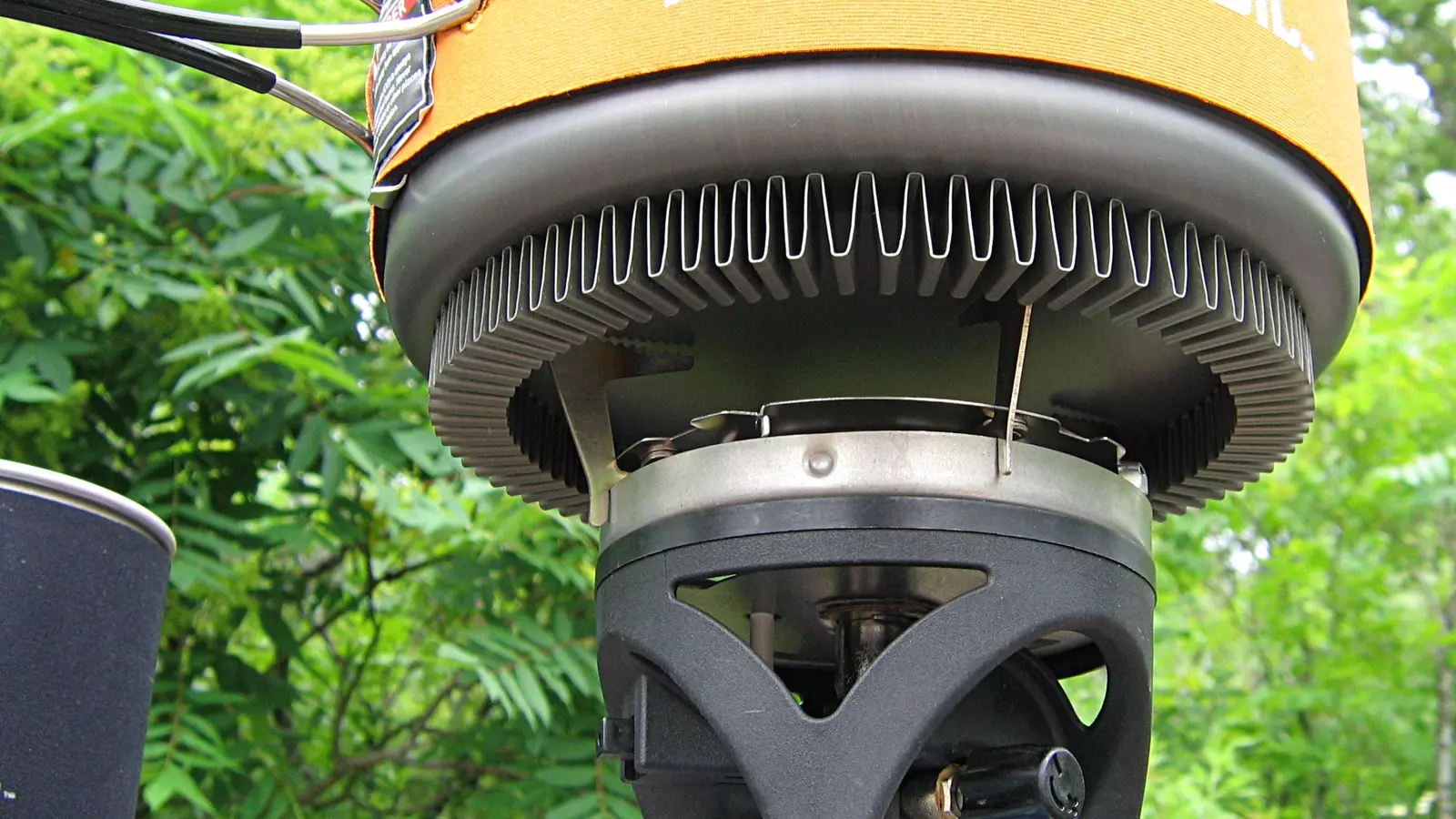
Propane and butane are pressurized flammable gases. A leaking container or connection can feed a flash fire. Keep cylinders away from heat, inspect for damage, and never use unauthorized adapters. Respect pan-size rules because oversized cookware can reflect heat into a butane canister compartment.
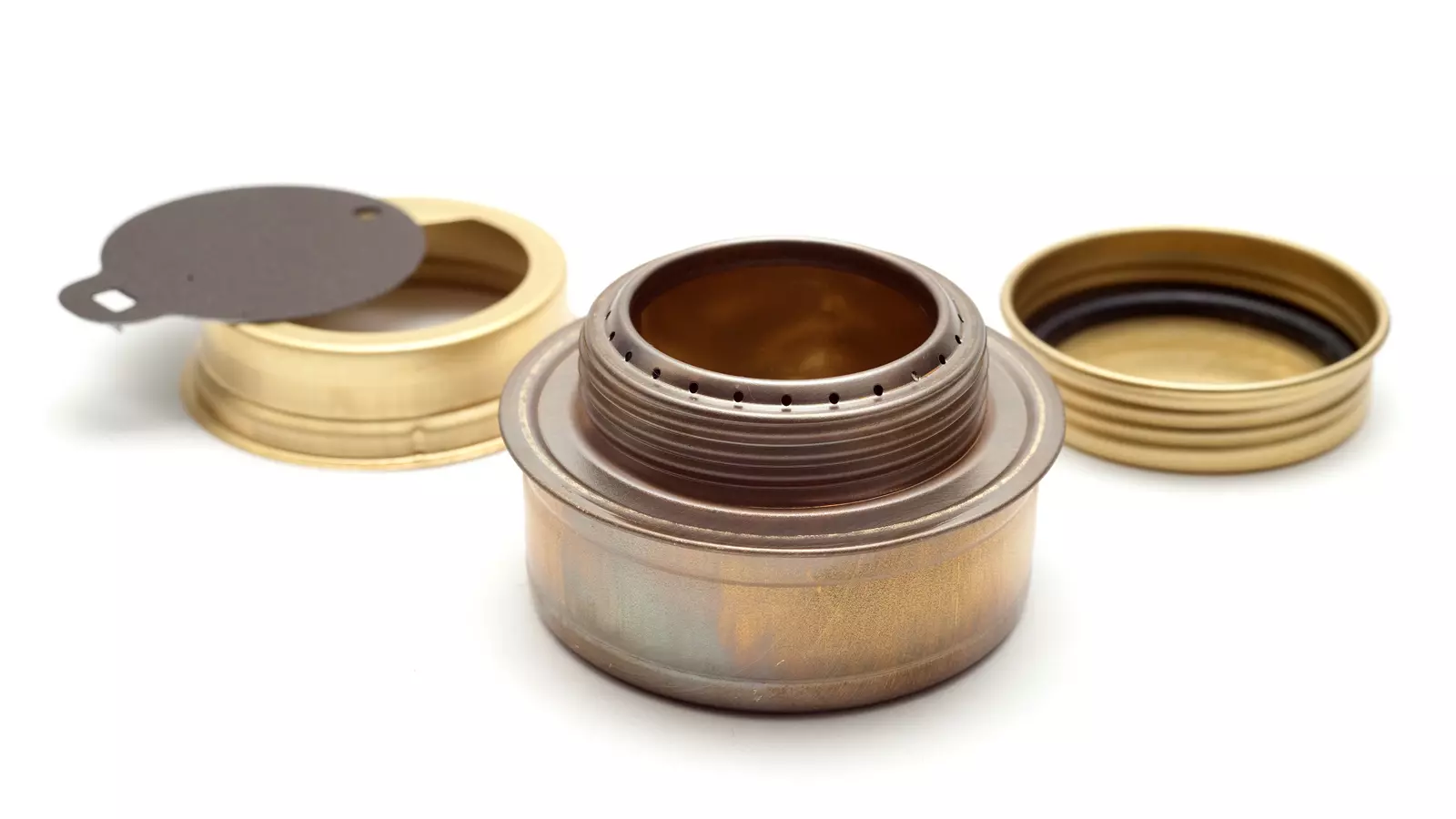
Liquid-fuel stoves may require priming and can flare during startup. Alcohol can spill, and its flame can be difficult to see in daylight. Wood-burning stoves produce smoke, embers, and CO and may violate fire restrictions. “Natural fuel” does not mean indoor-safe.
Flameless chemical heaters have their own instructions and are not permission to ignore ventilation or food-contact warnings. Electric cooking appliances are a separate category, but they still require a suitable rated power source, dry connections, and their own listing and manual. Do not power household cookware through an undersized inverter inside a vehicle.
Common Dangerous Myths
- “The tent has mesh.” Mesh does not eliminate CO or fire risk.
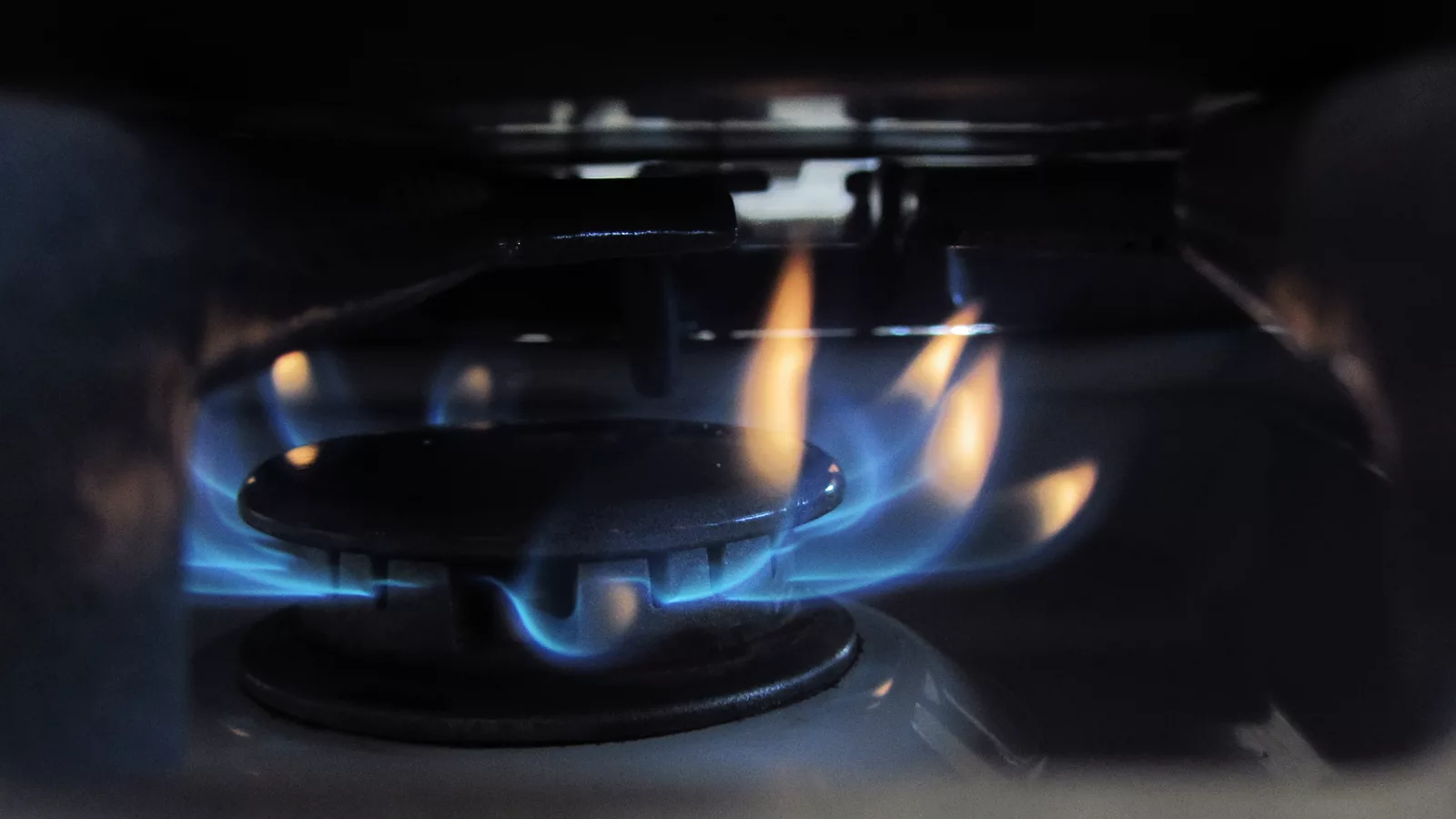
- “The flame is blue.” Flame color cannot certify safe air.
- “I only need two minutes.” Poisoning, flare, and tip-over hazards begin immediately.
- “A CO alarm will protect me.” It is a last line of warning, not permission to create CO indoors.
- “The garage door is open.” Garages remain enclosed and can channel CO into the home.
- “Butane is cleaner than propane.” Either combustion system can produce CO and start a fire.
- “A candle is more dangerous.” Relative comparisons do not make a camp stove safe indoors.
- “People do it online.” Anecdotes do not replace CDC, CPSC, NPS, and manufacturer warnings.
Before Lighting: Outdoor Safety Checklist
- Location is fully outdoors, not a tent, vestibule, vehicle, RV, cabin, or garage
- Current fire restrictions permit the stove type
- Manufacturer clearances can be maintained
- Surface is stable, level, and noncombustible
- Stove and fuel show no damage, leak, corrosion, or recall issue
- Fuel type and connection are explicitly approved
- Pot fits the documented diameter and weight limits
- Children, pets, fabric, and foot traffic are controlled
- Approved wind protection only
- Ignition backup and suitable extinguishing method ready
- Cook remains present until shutdown
- No-cook backup available if conditions deteriorate
Frequently Asked Questions
Can I use a propane camping stove indoors with a window open?
No. An open window does not ensure combustion gases leave, and the stove still presents fuel-leak, fire, and burn hazards. Use it outdoors away from windows, doors, and vents according to official guidance and its manual.
Can I use a butane stove in my kitchen?
A portable stove labeled for outdoor use must stay outdoors. Some appliances may be specifically listed for a particular indoor commercial or residential context, but that does not apply to a camping stove by resemblance. Follow the exact product listing and manual.
Is a tent vestibule considered indoors?
For this decision, yes. It is attached to the sleeping shelter, partially enclosed, close to combustible fabric, and vulnerable to wind. Cook in a genuinely open outdoor location.
Can I boil water inside my van for one minute?
No. A van has a small air volume, combustible materials, limited escape space, and potential fuel accumulation. Set up outdoors or use a non-cooking meal.
Does a carbon monoxide detector make it safe?
No. Detectors are important where required, but they can fail, may alarm only after exposure begins, and do not prevent fire or gas leaks. They never override an outdoor-only instruction.
What if a campsite bans fires but permits stoves?
A stove permit addresses wildfire rules, not indoor use. Use only the permitted stove outdoors, with its shutoff valve and all stated precautions. Restrictions can change daily, so confirm them locally.
Bottom Line
Do not use a camping stove indoors or in any enclosed or partially enclosed shelter. That includes tents, vestibules, vehicles, campers, cabins, and garages. Carbon monoxide provides no reliable warning, while open flame, hot cookware, and pressurized or spillable fuel add immediate hazards. Build an outdoor cook zone and carry a no-cook backup so bad weather never pressures you into a dangerous exception.
Authoritative References
- U.S. Centers for Disease Control and Prevention, carbon monoxide poisoning prevention: never use a portable camping stove inside a home, tent, or camper.
- U.S. Consumer Product Safety Commission, carbon monoxide, portable fuel-burning appliance, and recall guidance.
- U.S. National Park Service, campground stove, fire, and carbon monoxide safety guidance.
- The stove, fuel, tent, vehicle, and RV manufacturers' current warnings and operating instructions.