
Practical Camping Guide
Camping Food That Doesn't Need Refrigeration
Good no-refrigeration camping food includes unopened shelf-stable beans, tuna or chicken pouches, nut or seed butter, oats, pasta, rice, tortillas, crackers, dried fruit, nuts, powdered milk, and durable whole produce. The crucial word is unopened: many products are shelf-stable only until their seal is broken. Read the label, buy portions the group will finish, and never assume packaging, salt, smoking, or drying makes an unfamiliar food safe at camp temperature.
By Danny WalkerUpdated 10 min read
Good no-refrigeration camping food includes unopened shelf-stable beans, tuna or chicken pouches, nut or seed butter, oats, pasta, rice, tortillas, crackers, dried fruit, nuts, powdered milk, and durable whole produce. The crucial word is unopened: many products are shelf-stable only until their seal is broken. Read the label, buy portions the group will finish, and never assume packaging, salt, smoking, or drying makes an unfamiliar food safe at camp temperature.
Build meals from a carbohydrate, protein, produce, and flavor component. For example, pair tortillas with beans, whole peppers, and salsa packets; couscous with chickpeas, dried vegetables, and seasoning; or crackers with tuna pouches, apples, and mustard. This creates actual meals rather than a bag of snack foods.

Shelf-Stable Food Categories
| Category | Practical choices | Watch after opening |
|---|---|---|
| Grains and bases | Oats, pasta, couscous, tortillas, crackers, instant rice | Moisture, insects, damaged packaging |
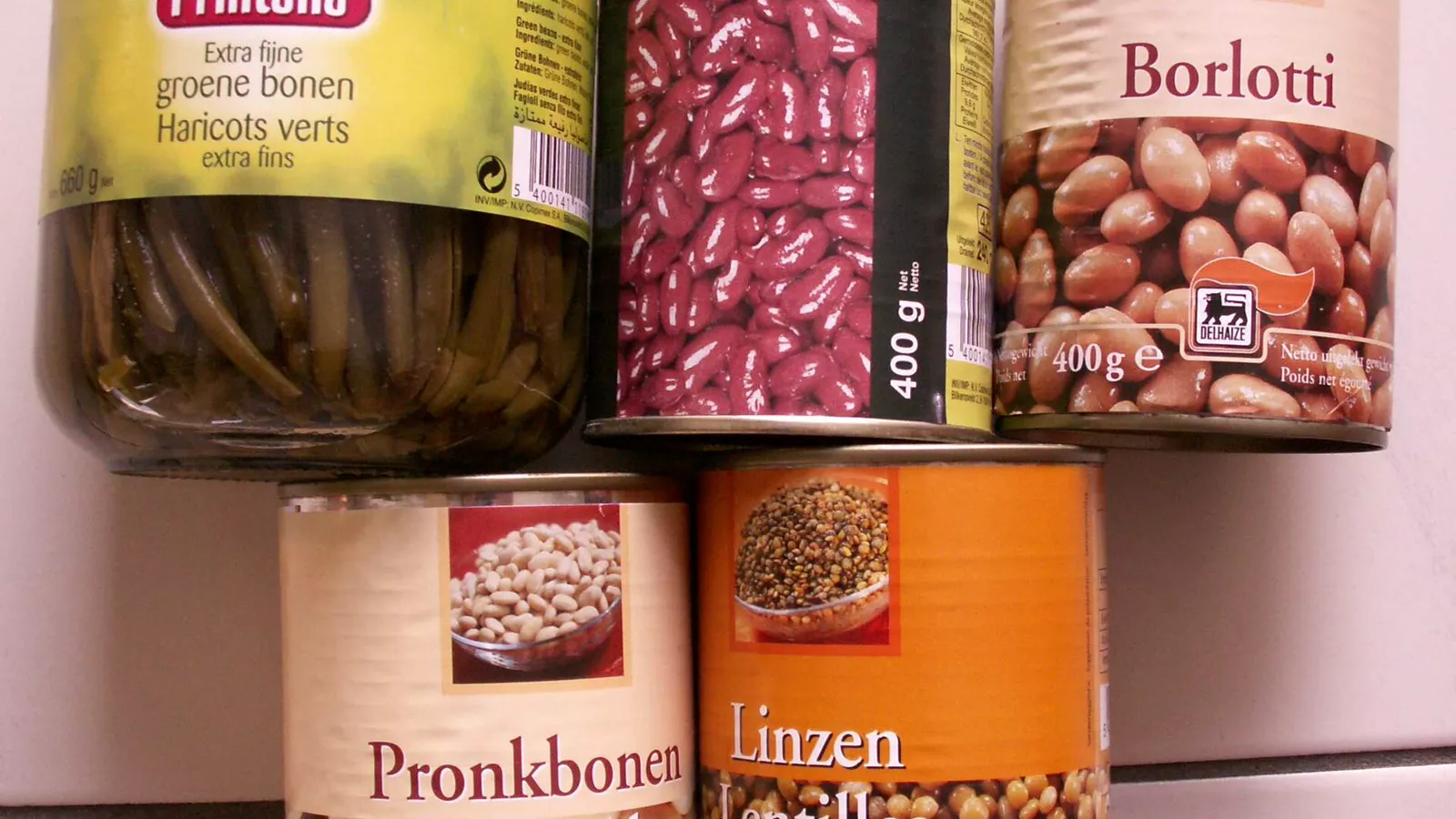
| Protein | Beans, lentils, fish or chicken pouches, nut butter | Most opened cans and pouches need prompt use |
| Produce | Apples, oranges, firm carrots, cabbage, whole peppers | Cuts, bruising, heat, and label instructions |
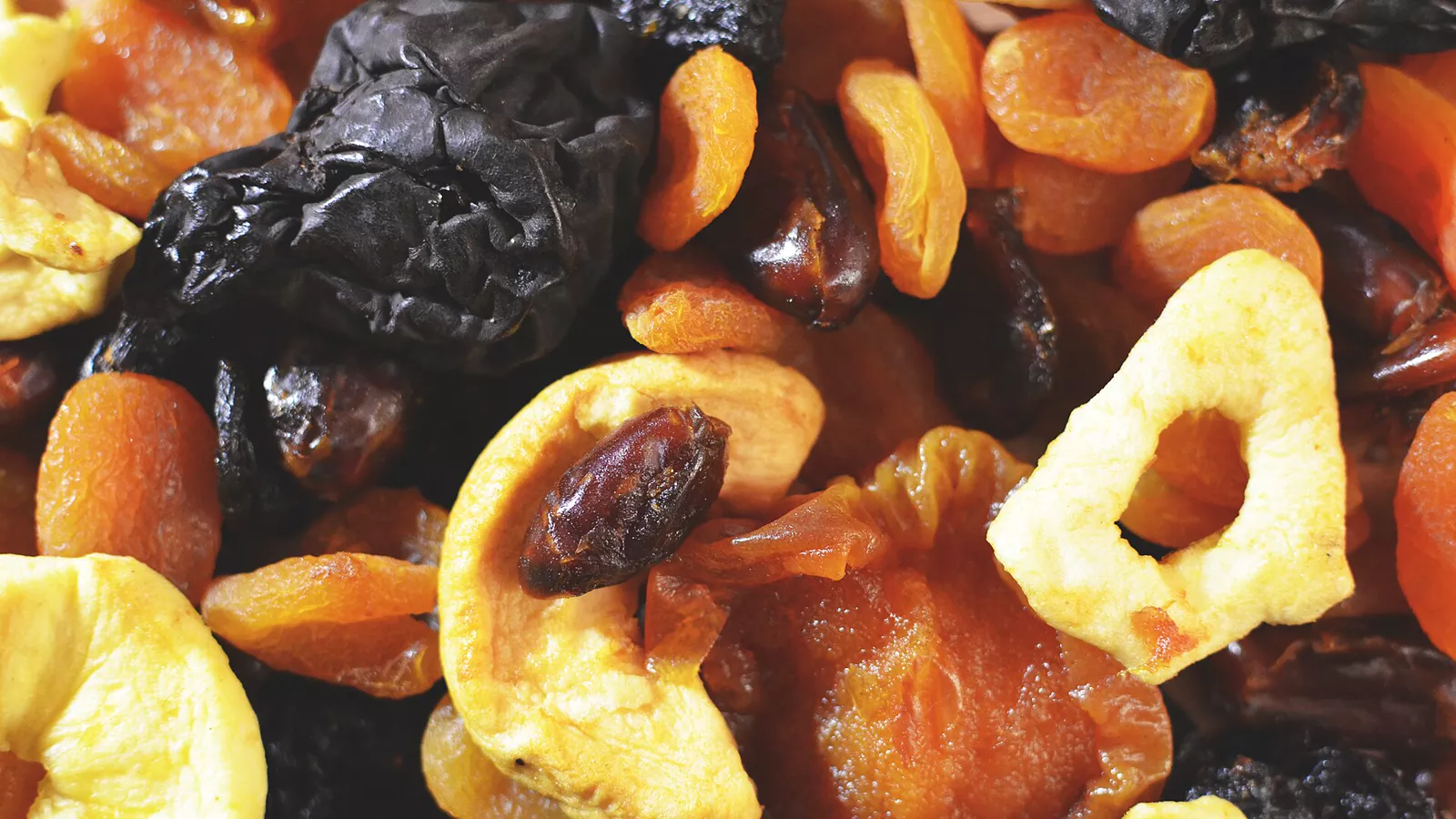
| Fruit and snacks | Dried fruit, nuts, seeds, bars, popcorn | Rancid oils, melting coatings, allergens |
| Dairy alternatives | Powdered milk, shelf-stable unopened cartons | Refrigeration often required after opening |
| Flavor | Oil, vinegar, spices, hot sauce, condiment packets | Contamination from shared utensils |
“Shelf-stable” means a correctly manufactured, undamaged, unopened product can be stored at room temperature for the period and conditions on its label. It does not mean indestructible, safe in extreme heat, or safe indefinitely after opening.
Read the Label Before Packing
Look for “refrigerate after opening,” preparation instructions, best-quality dates, allergen statements, and storage temperature limits. A carton of milk may sit safely on a store shelf before opening but require immediate refrigeration afterward. A cured sausage may still require refrigeration. A foil pouch may contain one serving or several; unfinished portions become leftovers.
Reject swollen, leaking, deeply dented, rusted, or damaged cans and pouches. Do not taste food to decide whether it is safe. If a container spurts, smells abnormal, or has lost its seal, discard it without exposing people or animals.
Pack original labels when safety directions matter. If transferring dry foods into smaller containers, record the product, allergen, cooking ratio, and use-by guidance. Never repackage an unknown white powder without a clear label.
Breakfasts Without Refrigeration
Oatmeal is the most flexible base. Pre-portion rolled or instant oats with milk powder, cinnamon, seeds, nuts, and dried fruit. Add boiling water for a hot meal or use safe cold water only with a recipe and timing suited to the product.
Granola or cold cereal works with shelf-stable single-serving milk or reconstituted milk powder. Once a carton is open or powder is mixed, treat the remaining liquid according to its label—usually as perishable. Individual servings prevent waste.
Nut or seed butter on tortillas or crackers needs no cooking and supplies energy-dense fat and protein. Add a whole apple, orange, or banana expected to survive that day's temperature and handling. Pack alternatives for allergies and prevent cross-contact with shared knives.
Lunches Without Refrigeration
Use fish or chicken pouches sized for one meal. Open immediately before eating, mix with condiment packets, and serve in tortillas or on crackers. Do not carry an opened pouch through a warm afternoon.
Bean wraps combine drained canned beans, whole vegetables cut at mealtime, and shelf-stable condiment packets. Buy a can size the group will finish, bring an opener, and never store leftovers in the opened can.
For a trail lunch, assemble a measured snack box: crackers, nuts or seeds, dried fruit, whole fruit, and a sealed protein. This is lighter and safer than carrying a sandwich with meat or soft cheese without cold control.
Dinners Without Refrigeration
One-pot pasta can use shelf-stable tomato sauce, beans, tuna, dried herbs, and dehydrated vegetables. Choose small packages so sauce does not remain open. Heat canned foods and sauces thoroughly and serve promptly.
Couscous requires little fuel: boil water, add couscous, cover, then mix in chickpeas, dried vegetables, oil, and spice. Instant rice bowls work similarly with beans and salsa packets. Confirm package water ratios at home.
Soup can combine bouillon, noodles, dried vegetables, and beans. It is useful in cool weather but needs safe water and adequate fuel. Avoid cooking a huge pot; cooling leftovers safely without refrigeration is difficult.
Nutrition for Different Trip Types
For relaxed car camping, prioritize balanced familiar meals. Weight is less important, so canned beans, whole produce, and sturdy jars may be practical. Still secure glass against breakage or avoid it where prohibited.
For active day hikes, increase portable energy from nuts, nut butter, tortillas, dried fruit, and bars, with adequate water and electrolytes appropriate to conditions. Food needs vary by body, climate, duration, and effort; no single calorie formula fits everyone.
Backpackers benefit from dehydrated food because water is carried separately or obtained safely along the route. Account for fuel needed to boil or simmer. How to camp without running water helps calculate drinking and cooking water.
For families, use familiar flavors and clearly separated allergen alternatives. Pack each child's snack by time or activity so group supplies do not disappear on the first day.
Hot Weather Changes the Plan
Shelf-stable food still degrades in heat. Oils can become rancid, chocolate and bars melt, tortillas mold after moisture enters, and produce bruises or ferments. Store food in shade and follow any maximum temperature on the label. A parked vehicle can become far hotter than the surrounding air.
Once a product requires refrigeration, USDA's danger-zone guidance applies: perishable food should not remain between 40°F and 140°F (4–60°C) longer than two hours, or one hour when ambient temperature is above 90°F (32°C). Do not use smell or appearance as proof of safety.
Open only what the group will finish. Condiment packets, single-serving cartons, and smaller cans reduce leftover risk. If a food's safety is uncertain, discard it. For mixed menus, how to keep food safe while camping explains cooler control.
Safe Water and Cooking
Shelf-stable does not mean ready to eat. Dry beans require extensive cooking and are impractical for many trips; canned beans are already cooked. Dehydrated meals need correctly treated water. Pasta and rice need sufficient fuel and water plus an approved wastewater plan.
Use campground potable water or a treatment method suitable for local hazards. Keep untreated and treated containers distinct. Wash hands before handling food, after restroom use, and after touching trash or pets.
Operate every stove outdoors, away from tent fabric and dry vegetation. Carbon monoxide has no color or smell. How to cook while camping covers stove stability, temperatures, fire, and fuel.
Three-Day No-Refrigeration Menu for Two Adults
Day one
- Breakfast before departure: eat at home.
- Lunch: tuna-pouch tortillas, apples, mustard packets.
- Dinner: one-pot pasta, small jar or pouch of sauce, canned beans, dried herbs.
- Snacks: measured nuts and dried fruit.
Day two
- Breakfast: oatmeal with milk powder, raisins, and nut or seed butter.
- Lunch: crackers, single-meal hummus product only if labeled shelf-stable until use, whole carrots, oranges.
- Dinner: couscous, chickpeas, dehydrated vegetables, olive oil, spice blend.
- Snacks: bars and popcorn.
Day three
- Breakfast: granola with a single-serving shelf-stable milk carton.
- Lunch: bean-and-salsa tortillas with a whole pepper cut at mealtime.
- Dinner or travel backup: instant rice, fish pouch, dried vegetables, sauce packet.
- Snacks: remaining whole fruit and portioned trail mix.
Pack one extra complete no-cook group meal, such as tortillas, sealed nut butter, crackers, and fruit. It covers stove failure or travel delay without doubling every ingredient.
Organize and Store the Food
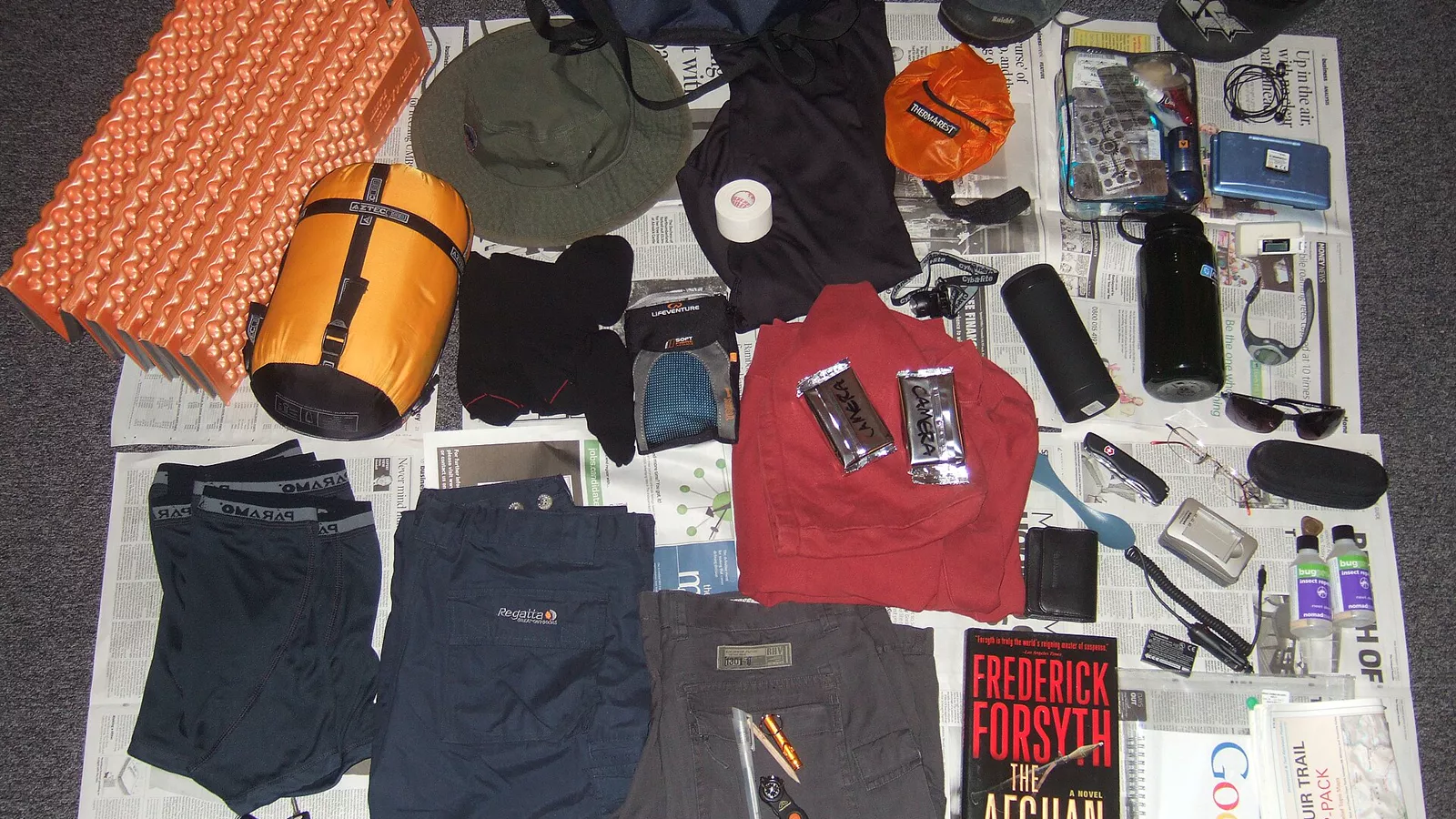
Group each meal in a labeled bag with cooking instructions and water quantity. Keep allergen-safe meals sealed separately. Put heavy cans where they cannot crush tortillas or fruit, and protect pouches from sharp gear.
Food is still a wildlife attractant even without refrigeration. Store food, packaging, cookware, grease, trash, and scented products exactly as the land manager requires. This may mean a food locker, hard-sided vehicle, certified bear-resistant container, or another approved method. Read how to keep animals away from your campsite for behavior and cleanup.
Use the storage/prep/cooking/washing zones in how to set up a camp kitchen. Pack out all wrappers, can lids, and strained food particles.
Common Mistakes
Assuming every sealed package is shelf-stable
Some vacuum-packed or cured foods still require refrigeration. The label controls.
Ignoring instructions after opening
An unopened carton and an opened carton are different safety situations. Buy meal-sized packages.
Bringing only carbohydrates
Crackers and noodles alone become unsatisfying. Add protein, fat, produce, and flavor.
Packing dry beans for a short trip
They require soaking, long cooking, fuel, and water. Use cooked canned or pouched beans.
Leaving food in a hot vehicle
Extreme heat damages quality and may exceed label conditions. Use shade and appropriate storage.
Creating leftovers
Without refrigeration, safe cooling and storage may be impossible. Cook portions the group can finish.
Forgetting wildlife rules
Shelf-stable food has odor and remains an attractant. Secure it with all trash and cookware.
Packing Checklist
- Assign every meal and snack to a day.
- Check “refrigerate after opening” and storage-temperature language.
- Inspect cans, pouches, cartons, seals, and dates.
- Choose packages the group will finish in one sitting.
- Include carbohydrates, protein, produce, fat, and flavor.
- Record cooking water and fuel for every dry meal.
- Pack safe-water treatment and handwashing supplies.
- Bring an opener and safe lid-handling method for cans.
- Separate allergens and retain ingredient labels.
- Add one no-cook emergency group meal.
- Confirm wildlife-resistant storage requirements.
- Pack trash, strained scraps, and empty packages out.
Frequently Asked Questions
What protein does not need refrigeration for camping?
Before opening, options include beans, lentils, tuna or chicken pouches, nut or seed butter, nuts, and some specifically labeled shelf-stable products. Read every label and finish opened portions promptly.
Does cheese need refrigeration?
Requirements vary by product. Do not assume hard or processed cheese is safe without refrigeration; follow the package and official food-safety guidance.
Are eggs shelf-stable?
U.S. consumers should keep commercially refrigerated shell eggs cold. Egg handling differs by country and processing method, so follow the product label and local authority.
What produce lasts well at camp?
Whole apples, oranges, carrots, cabbage, and firm peppers often tolerate short trips better than delicate berries or cut produce. Heat, bruising, ripeness, and label guidance still matter.
Can I save an opened can for tomorrow?
Not without prompt, safe refrigeration in a clean covered container. Plan a can size the group will finish and discard leftovers when cold control is unavailable.
Is dehydrated food always safe without refrigeration?
Only when correctly processed, packaged, stored, and prepared. Follow the manufacturer. Homemade dehydration requires validated methods and careful storage.
Final Takeaway
No-refrigeration camping food works when it is intentionally shelf-stable, balanced into meals, and packed in portions that end when the package opens. Read labels, protect food from extreme heat and damage, use safe water, and secure every attractant. A three-day menu built from grains, shelf-stable protein, durable produce, and flavor packets is safer and more satisfying than relying on snacks alone.
Sources and Further Reading
- USDA Food Safety and Inspection Service, Food Safety While Hiking, Camping & Boating.
- USDA Food Safety and Inspection Service, shelf-stable food and leftovers guidance.
- USDA Food Safety and Inspection Service, Danger Zone (40°F–140°F) guidance.
- U.S. National Park Service, campground and backcountry food-storage guidance.
- U.S. Centers for Disease Control and Prevention, food and water safety guidance.