Buying Guide
5 Best 4 Season Backpacking Stoves in 2026: A Practical Camping Guide
Best 4-season backpacking stoves compared on cold-weather feed, fuel options, weight and pot support, with honest notes on which listings name winter use.

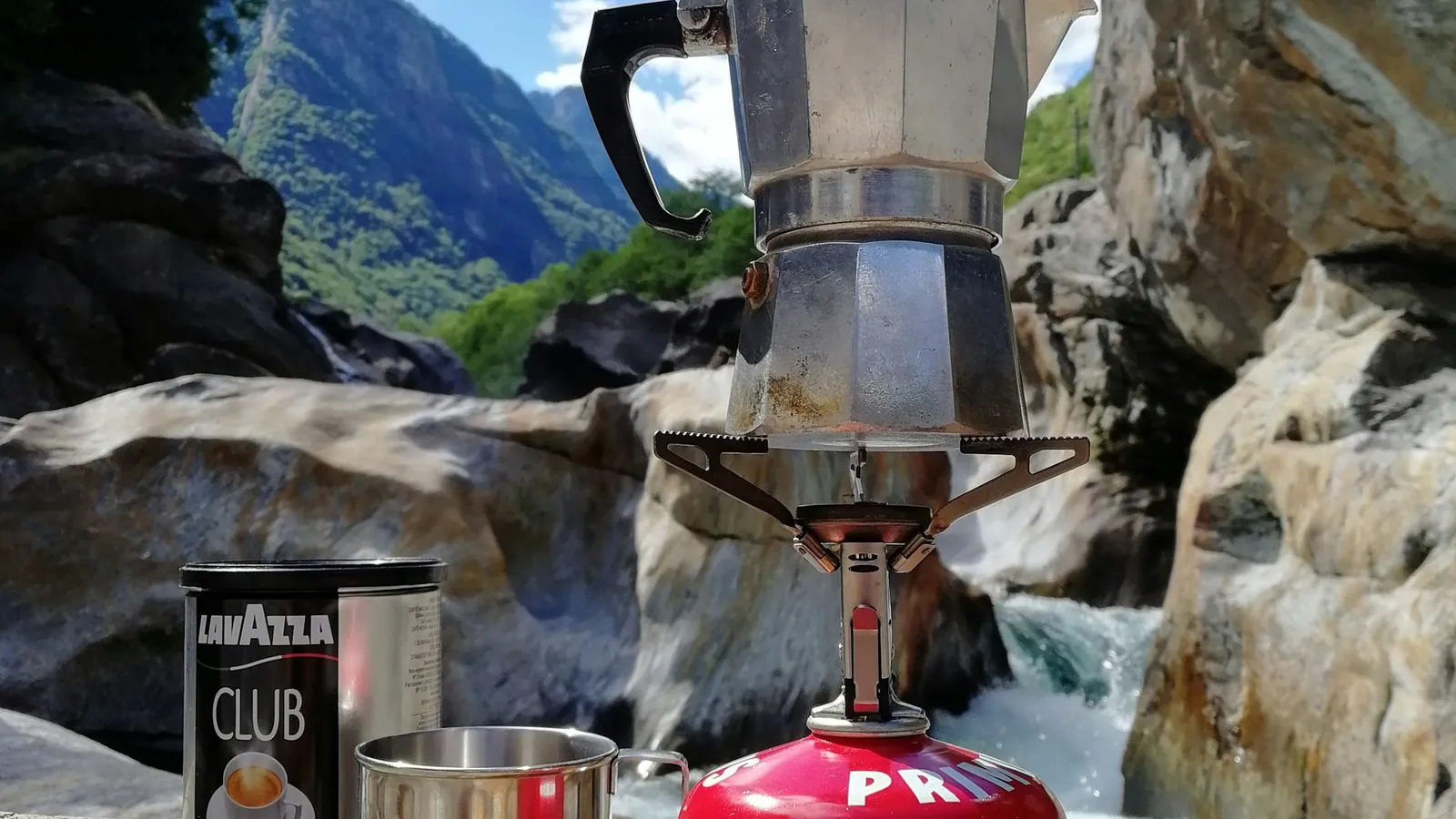
A true 4-season stove keeps working when the fuel is cold, the wind is up and the pot is full of snow melt. Three of the five picks name winter or four-season use outright, and the other two are lighter, simpler stoves that fill the gap on mild trips.
Danny Walker's rule is to match the stove to the coldest night you expect, not the average one. Run every stove outdoors in open air, and never inside a tent or vestibule.
Danny’s Camping field notes
The Campsite Fit Check
A quick way to connect the shortlist to the space, workload and ownership details that matter after the box arrives.
- Start with the job
- Optimus Vega 4-Season Backpacking Stove leads this shortlist for Winter backpacking. Use that fit as a reference point, then compare the alternatives against your own space and workload.
- Specs that separate the picks
- The first details to compare are Remote canister, 6.3 oz, Remote canister mount, Multifuel, one jet. Confirm the exact model and included components before ordering.
- Trade-off to plan for
- Cartridges still lose pressure in extreme cold
The Practical Shortlist
A practical look at 5 options, organized around the job each one suits best.

Best Overall
Optimus Vega 4-Season Backpacking Stove
Winter backpacking
Our take Check price for Optimus Vega 4-Season Backpacking Stove (opens in a new tab)

Best Value 4-Season
GSI Outdoors
GSI cookware users

Best Expedition Stove
Optimus Polaris Optifuel Multifuel Mountaineering Stove For Expedition
Expeditions abroad
Our take Check price for Optimus Polaris Optifuel Multifuel Mountaineering Stove For Expedition (opens in a new tab)

Best Ultralight
MSR PocketRocket 2 Ultralight Camping and Backpacking Stove
Shoulder-season trips
Our take Check price for MSR PocketRocket 2 Ultralight Camping and Backpacking Stove (opens in a new tab)

Best Budget
Coleman Classic 1-Burner Backpacking Stove
Budget cool-weather trips
Our take Check price for Coleman Classic 1-Burner Backpacking Stove (opens in a new tab)
| Pick | Best for | Key spec | Price |
|---|---|---|---|
| Winter backpacking | Remote canister, 6.3 oz | Check price for Optimus Vega 4-Season Backpacking Stove (opens in a new tab) |
| GSI cookware users | Remote canister mount | Check price for GSI Outdoors (opens in a new tab) |
| Expeditions abroad | Multifuel, one jet | Check price for Optimus Polaris Optifuel Multifuel Mountaineering Stove For Expedition (opens in a new tab) |
| Shoulder-season trips | 2.6 oz, folds to 2x2x3 inches | Check price for MSR PocketRocket 2 Ultralight Camping and Backpacking Stove (opens in a new tab) |
| Budget cool-weather trips | 10,000 BTU, 6.7 oz | Check price for Coleman Classic 1-Burner Backpacking Stove (opens in a new tab) |
Why You Can Trust Danny’s Camping
At Danny’s Camping, we compare products based on campsite fit, verified specifications, usability, setup requirements, weight, durability, and real-world trade-offs. We do not rank products purely on marketing claims or commission rates.
We have not personally tested every product listed. Where hands-on testing is not available, recommendations are based on verified manufacturer specifications, product documentation, use-case fit, and comparative research.
Why Each Pick Made the Cut
Best Overall· 1 of 5
Optimus Vega 4-Season Backpacking Stove
Danny’s Take
The simplest true 4-season canister stove here.
Best for
- Winter backpacking
Why it made the shortlist
The Optimus Vega is a single-burner remote canister stove that weighs 6.3 oz and accepts pots up to 22 cm (8.7 in) wide. The listing says flipping the cartridge upside down switches it to liquid fuel feed for steady output in the cold.
That inverted feed is the feature the MSR PocketRocket 2 and Coleman Classic do not describe, and it works with propane, butane or isobutane EN417 cartridges. Next to the Polaris Optifuel it is far lighter and uses simple canisters.
It suits winter campers, climbers and backpackers who want a dependable cold-weather canister stove without a liquid-fuel pump. Wide folding pot supports add stability.
Key dimensions & specs
- Remote canister, 6.3 oz
- Inverted liquid fuel feed
- Pots up to 8.7 inches
Pros
- Cold-weather feed by flipping canister
- Runs on propane, butane or isobutane
- Wide folding pot supports
- Light at 6.3 oz
Cons
- Cartridges still lose pressure in extreme cold
- Pricier than basic canister stoves
The Catch
It needs EN417 cartridges, and very cold nights still need a warm canister.
Best Value 4-Season· 2 of 5
GSI Outdoors
Danny’s Take
A budget route into remote-canister winter cooking.
Best for
- GSI cookware users
Why it made the shortlist
The GSI Pinnacle 4 Season is a remote canister stove with a micro control valve and a 9,820 BTU/h burner. Serrated pot support arms span 138 mm (5.4 in), and the folding design nests inside nFORM cookware.
It undercuts the Optimus Vega on price and keeps the remote canister mount that suits cold use.
It suits GSI cookware owners and budget-minded winter campers. The adjustable flame gives good simmer control.
Key dimensions & specs
- Remote canister mount
- 9,820 BTU/h burner
- 138 mm serrated pot arms
Pros
- Remote canister mount for cold use
- Micro valve gives fine flame control
- Nests in nFORM cookware
Cons
- Smaller pot arms than the Vega
- Weight is not listed
The Catch
The listing gives no weight and the pot arms are only 5.4 inches wide.
Best Expedition Stove· 3 of 5
Optimus Polaris Optifuel Multifuel Mountaineering Stove For Expedition
Danny’s Take
The one to pack when fuel availability is a question mark.
Best for
- Expeditions abroad
Why it made the shortlist
The Optimus Polaris Optifuel is a single-burner multifuel stove that runs on butane, isobutane, propane, white gas, kerosene, diesel and jet fuel through one jet. A 4-season mode boosts output in the cold, and a self-cleaning magnetic jet handles dirty fuel.
It ships with a FLIPSTOP pump, multitool, windscreen, heat reflector and stuff sack, which no other stove here includes. That fuel range is what sets it above the Vega on long expeditions.
It suits mountaineers and expedition travelers who may need to buy whatever fuel a country sells. The field kit is complete out of the box.
Key dimensions & specs
- Multifuel, one jet
- 4-season mode boosts output
- FLIPSTOP pump and field kit
Pros
- Runs on seven fuel types
- Self-cleaning jet
- Windscreen and reflector included
- Built for expedition use
Cons
- Priciest stove in this list
- Heavier and fussier than canister stoves
The Catch
It costs the most and needs more care than a canister stove.
Best Ultralight· 4 of 5
MSR PocketRocket 2 Ultralight Camping and Backpacking Stove
Danny’s Take
The ultralight go-to for three seasons, with limits in deep cold.
Best for
- Shoulder-season trips
Why it made the shortlist
The MSR PocketRocket 2 is a folding canister stove that weighs 2.6 oz and collapses to 2 by 2 by 3 inches. It boils 1 liter of water in 3.5 minutes and needs no priming or preheating.
It is the lightest pick here and the best choice for 3-season trips with mild nights. The serrated pot supports fit a wide range of pots, and a protective case is included.
It suits three-season backpackers who occasionally push into cool shoulder-season nights. It runs on isobutane-propane canisters.
Key dimensions & specs
- 2.6 oz, folds to 2x2x3 inches
- Boils 1 L in 3.5 min
- No priming needed
Pros
- Lightest stove in the group
- Easy simmer to rolling boil
- Case included
- Simple setup
Cons
- No cold-weather feature is listed
- Upright canister loses pressure in cold
The Catch
The listing names no cold-weather feature, so treat it as a three-season stove.
Best Budget· 5 of 5
Coleman Classic 1-Burner Backpacking Stove
Danny’s Take
A name-brand stove for the lowest price.
Best for
- Budget cool-weather trips
Why it made the shortlist
The Coleman Classic 1-Burner weighs 6.7 oz and is rated at up to 10,000 BTU. The listing says it boils 1 liter in 3.25 minutes and uses PerfectFlow technology for consistent performance even in extreme conditions.
It is the lowest priced stove here and states a boil time faster than the PocketRocket 2. It fits a 6 inch pan.
It suits cost-conscious campers who want a name-brand folding stove for cool weather.
Key dimensions & specs
- 10,000 BTU, 6.7 oz
- Boils 1 L in 3.25 min
- PerfectFlow technology
Pros
- Fast stated boil time
- PerfectFlow aims at steady output
- Folds for packing
Cons
- Not marketed as a winter stove
- Fits only a 6 inch pan
The Catch
It supports only small pans and is not built for deep winter.
How We Built This Shortlist
Each pick was assessed across 5 criteria weighted for real-world use.
- Cold-weather feed
- We checked which listings describe inverted feed, a remote canister or a 4-season mode.
- Fuel options
- We compared the fuels each stove can burn.
- Weight and pack size
- We compared stated weights and folded dimensions.
- Pot support
- We compared stated pot widths and support design.
- Value
- We matched price to what each listing actually describes.
What Matters Before You Choose a 4 Season Backpacking Stove
Key buying criteria so you get the right fit the first time.
Inverted or remote feed
In the cold a canister loses pressure, and an upright stove can sputter. A remote design with a hose lets you flip the canister so liquid fuel feeds the burner. Look for the words remote, inverted or 4-season in the listing.
Fuel type
Canister fuel is simple but weaker in deep cold, while white gas and multifuel burn well below freezing. A multifuel stove adds a pump and weight. Match the fuel to your expected temperatures and where you will resupply.
Weight versus winter capability
Ultralight stoves save grams but lack winter features. A 2.6 oz stove is perfect for summer and risky in January. Decide first how cold your trips get.
Pot support width
Winter cooking uses bigger pots for melting snow. A support that spans 8.7 inches holds a larger pot steady than one spanning 5.4 inches. Check the listed width against your pot.
Wind and ignition
Wind steals heat, and gloves make small igniters hard to use. A windscreen helps, and a stove with a separate igniter may be easier. Read what is included in the box.
Match a 4 Season Backpacking Stove to Your Camp Setup
By Coldest Night
| Your situation | Recommended pick | Why |
|---|---|---|
| Below freezing, snow melting | Optimus Vega | Inverted liquid feed from a remote canister. |
| Expedition, mixed fuels | Optimus Polaris | Seven fuel types and a field kit. |
| Budget winter canister cooking | GSI Pinnacle 4 Season | Remote canister at a lower price. |
| Mild shoulder season | MSR PocketRocket 2 | 2.6 oz and simple. |
Scroll sideways to see every column.
By Budget
| Budget | Recommended pick |
|---|---|
| $20 to $50 | Coleman Classic 1-Burner or MSR PocketRocket 2 |
| $80 to $120 | GSI Pinnacle 4 Season or Optimus Vega |
| $190 to $200 | Optimus Polaris |
Canister vs Multifuel
- Canister
- The Optimus Vega, GSI Pinnacle 4 Season and MSR PocketRocket 2 use easy canisters with little maintenance.
- Multifuel
- The Optimus Polaris burns liquid fuels and needs a pump, but handles deep cold and remote travel.
Most backpackers should choose the Optimus Vega unless they need to buy fuel abroad.
By Budget
| Preference | Recommended pick |
|---|---|
| Lowest cost | Coleman Classic 1-Burner |
| Moderate cost, winter capable | GSI Pinnacle 4 Season |
| Best cold-weather canister | Optimus Vega |
| No limit, global travel | Optimus Polaris |
For Winter Camping Specifically
- Look for
- A remote canister or multifuel design, a wide pot support and a windscreen.
- In this comparison
- The Optimus Vega flips to liquid feed and holds pots up to 8.7 inches, while the Optimus Polaris adds a windscreen and heat reflector.
When to Spend More
- Spend more if
- Spend more on the Optimus Polaris if you cook in extreme cold or abroad. The Optimus Vega is the better step up for most winter trips.
- Save if
- Save with the Coleman Classic 1-Burner or MSR PocketRocket 2 if your trips stay above freezing.
Before You Bring One Home
Is a regular canister stove OK in winter?
It can work above freezing, but upright canisters lose pressure in the cold. A remote or inverted design such as the Optimus Vega is safer for freezing nights.
Why does the canister matter?
Isobutane-propane mixes handle cold better than pure butane. The MSR IsoPro listing describes an 80/20 isobutane and propane blend as better in colder temperatures. Always check the blend on the label.
Is the Polaris worth over the Vega?
Only if you need multifuel flexibility. For canister users, the Vega is lighter and simpler.
Can I use these in a tent?
No. Carbon monoxide builds up fast, so cook outside or in an open vestibule only with great care. Never cook in a closed tent.
How do I keep the canister warm?
Keep it in a jacket or sleeping bag overnight and on a foam pad when cooking. Never warm a canister over a flame.
Bottom Line
Best overall: Optimus Vega 4-Season Backpacking Stove — best overall pick in this roundup. See the full verdicts above for every pick, with pros, cons and who each one suits.
Browse all 4 season backpacking stoves on Amazon — Prime-eligible options with current pricing.
Related Guides

About the author
Danny Walker
Founder & Lead Editor at Danny’s Camping
Danny covers camping gear, campsite setup, outdoor power, sleep systems, and practical camping advice, with a focus on helping campers make better gear decisions.